Archaeology

Shorts

Archaeology

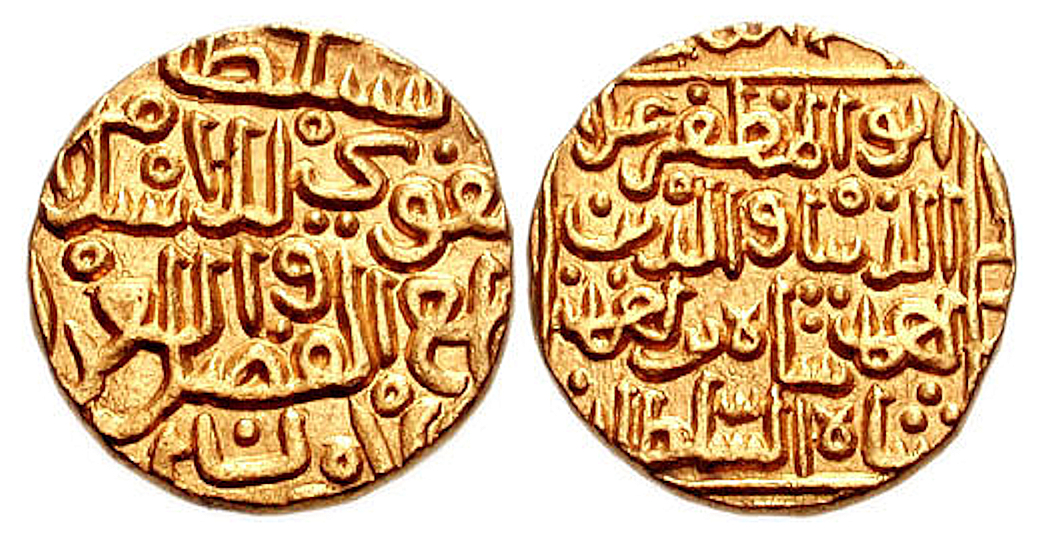
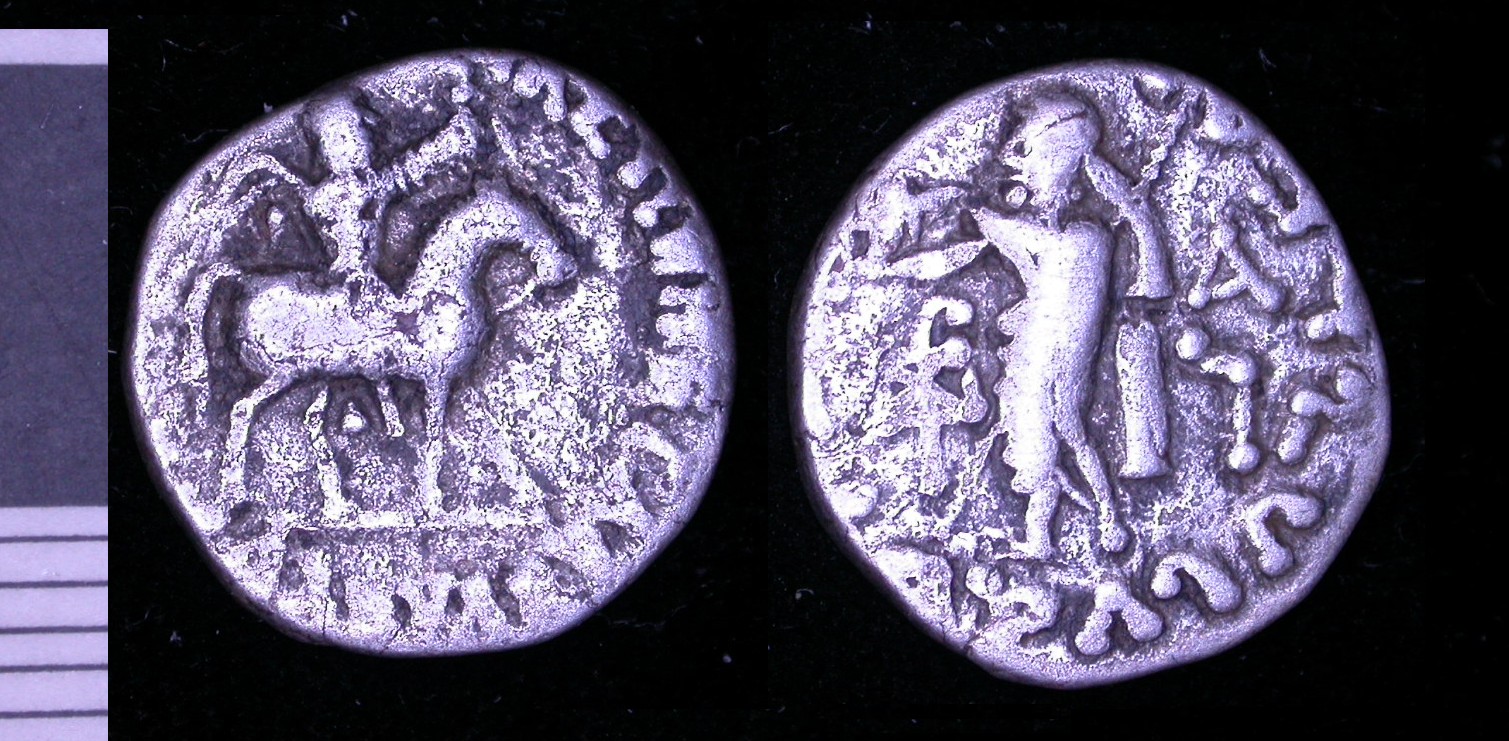
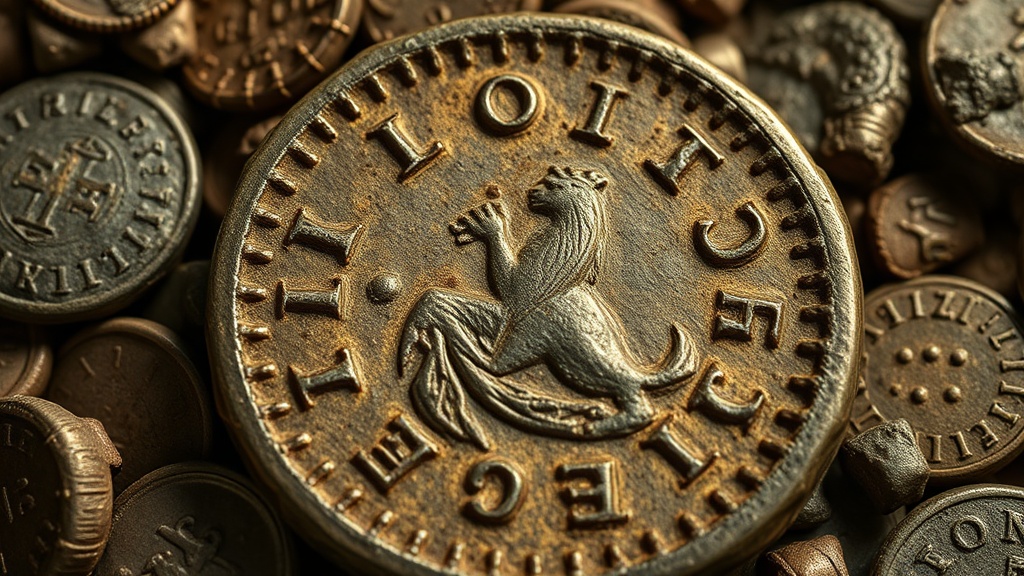
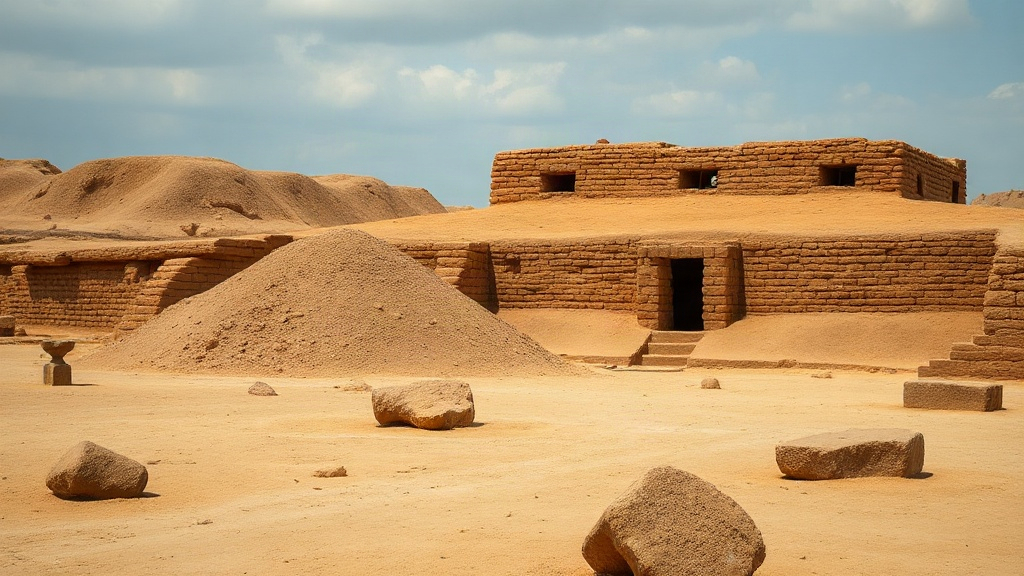
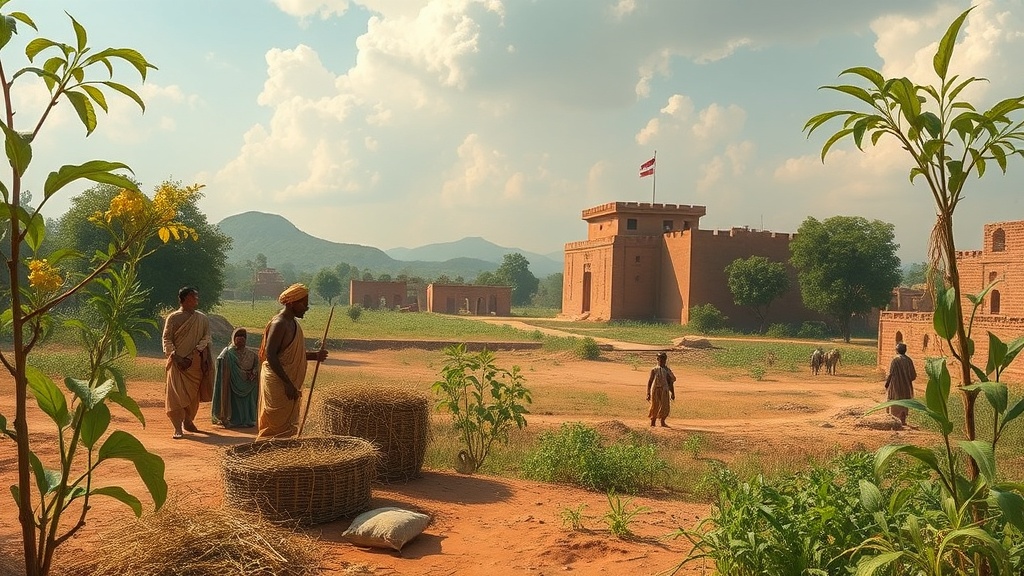
Agroha, the town that called itself Agrodaka

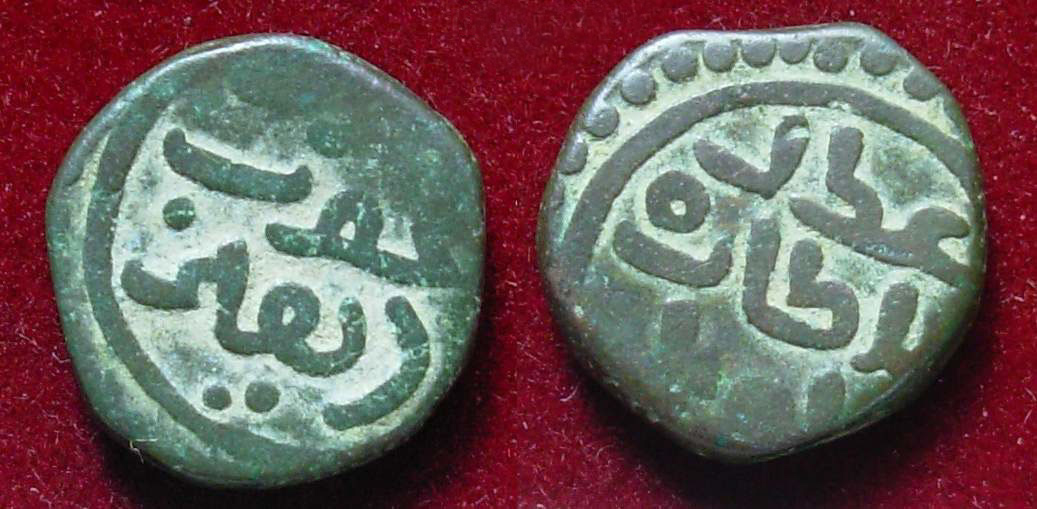
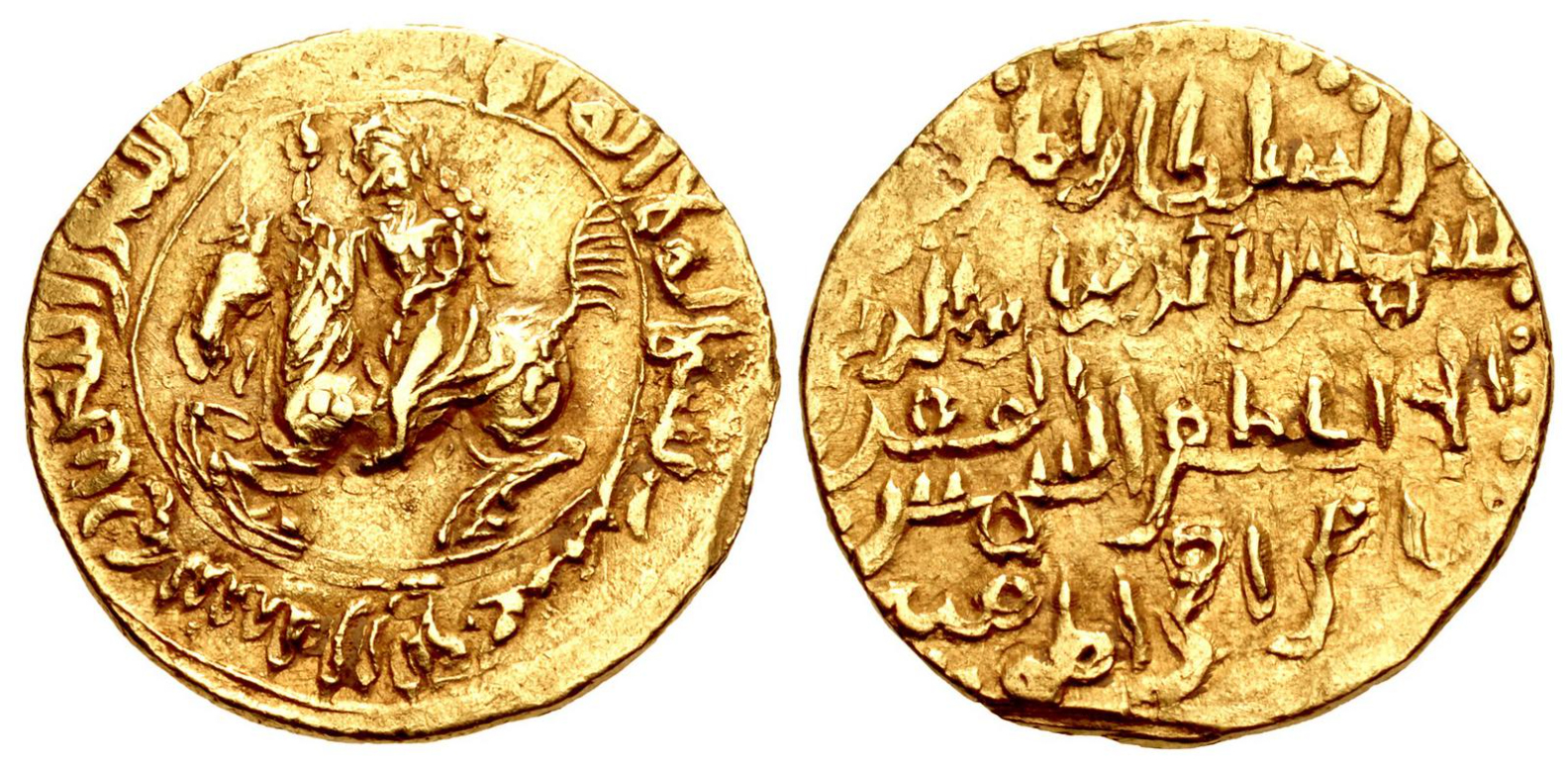
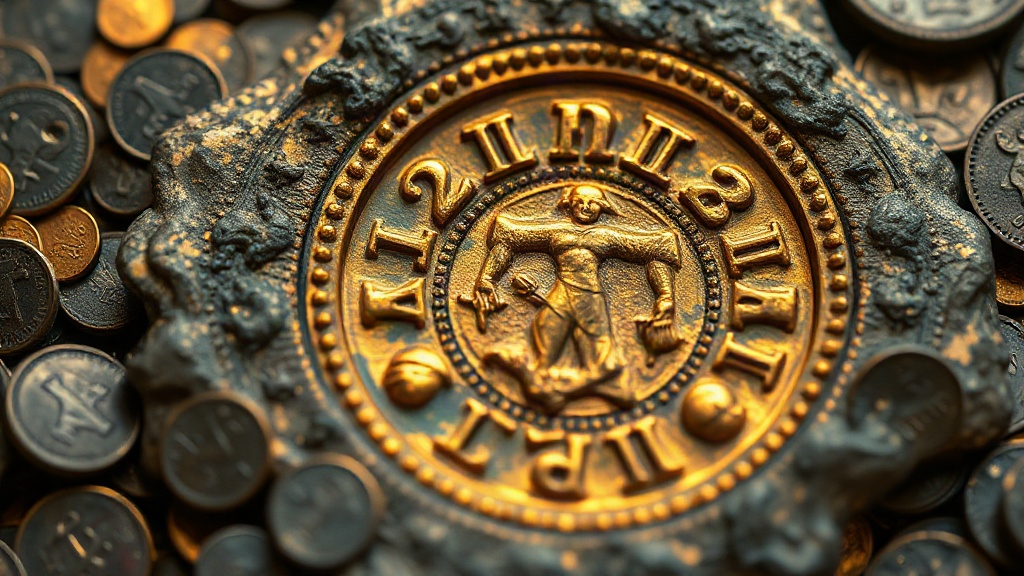
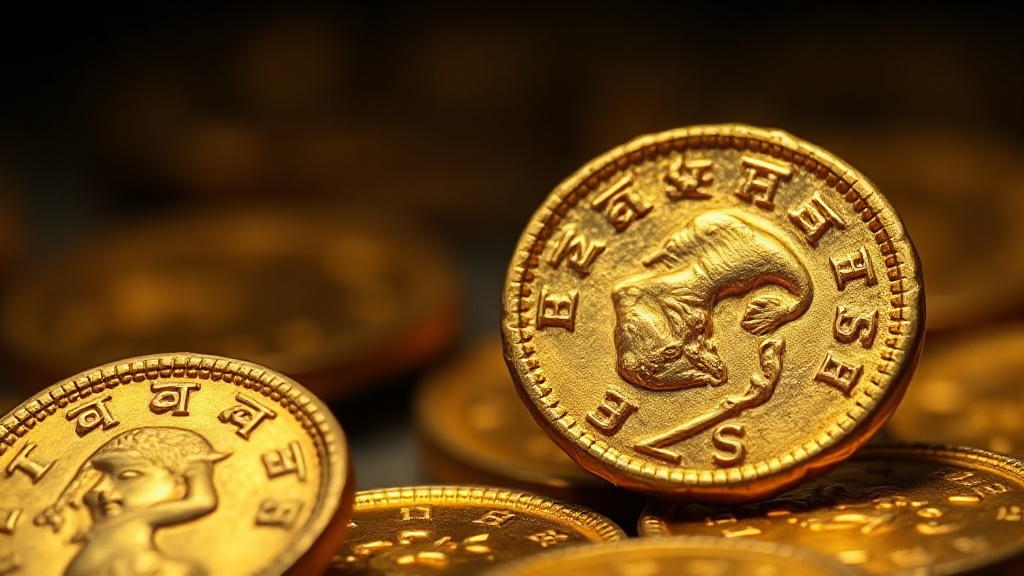
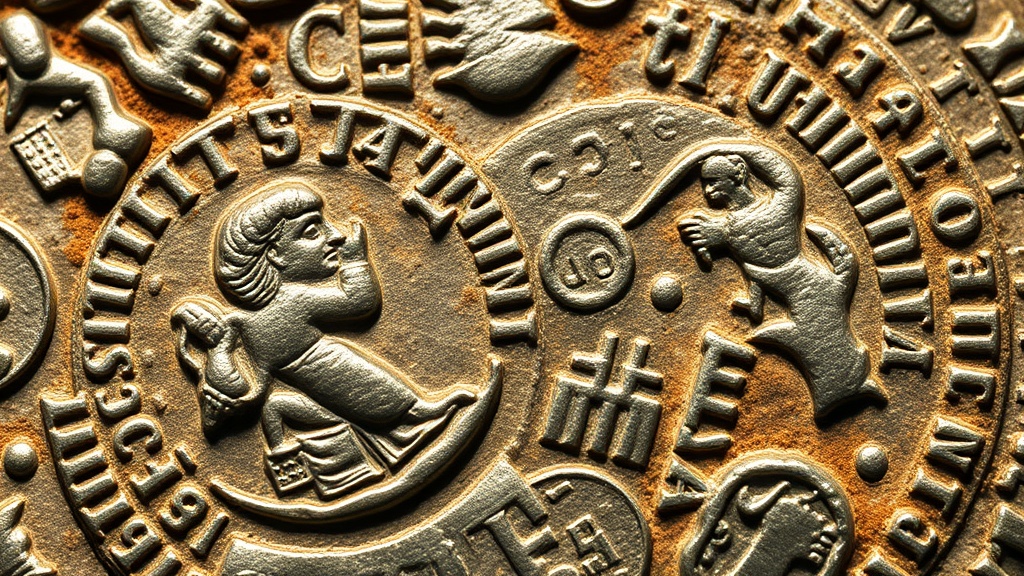
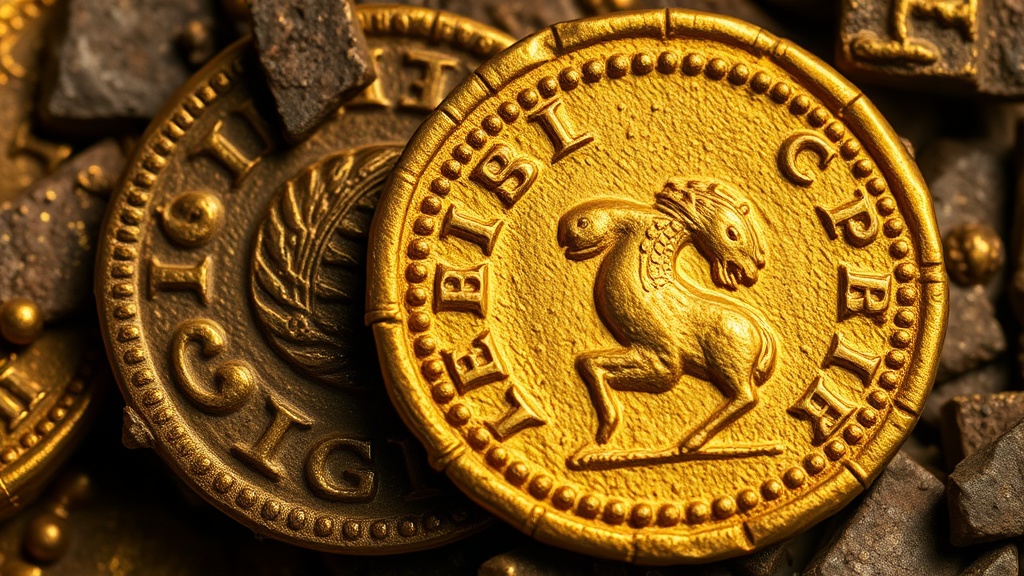
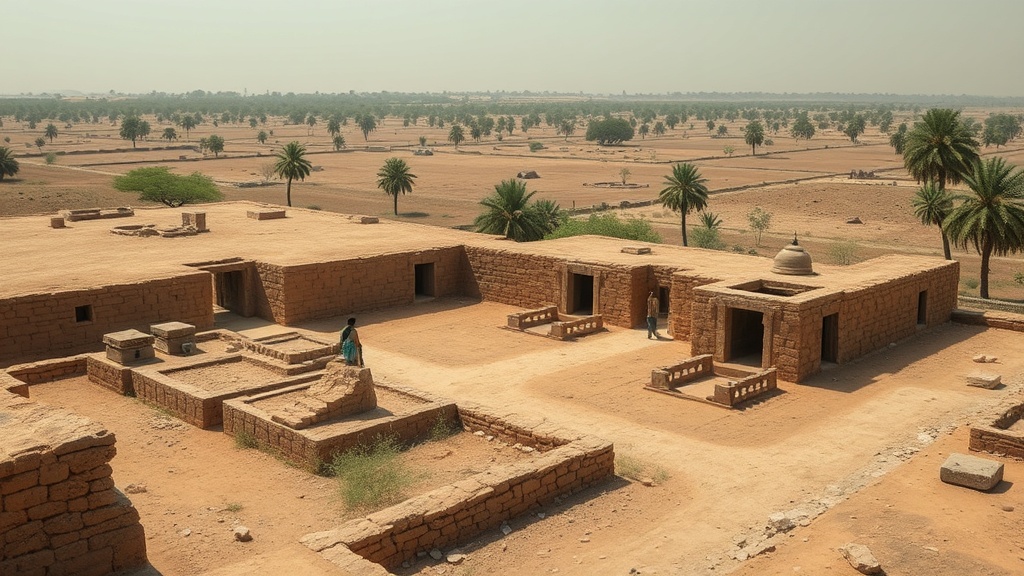
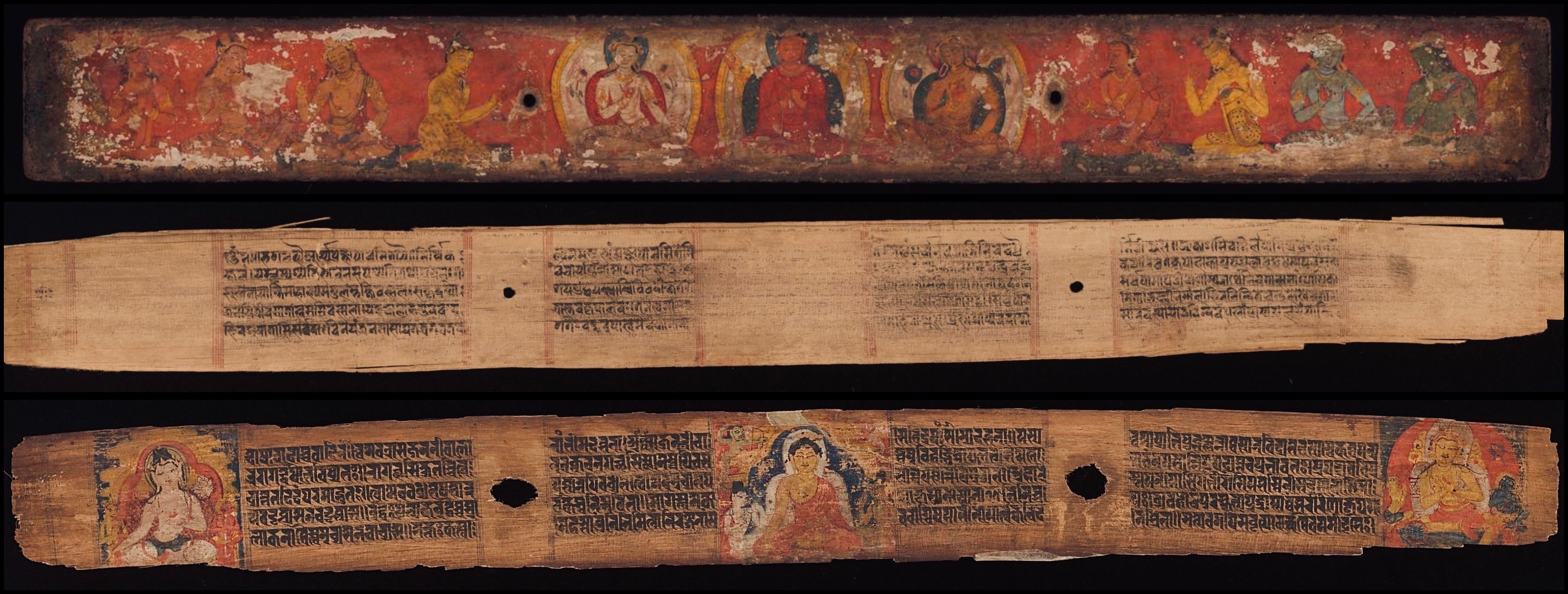
Fifty-one silver coins from a 1938-39 ASI dig in the Hisar plain proved the Aggarwal community's traditional homeland was a real second-century-BCE town — though not the prehistoric kingdom legend describes.
Archaeology

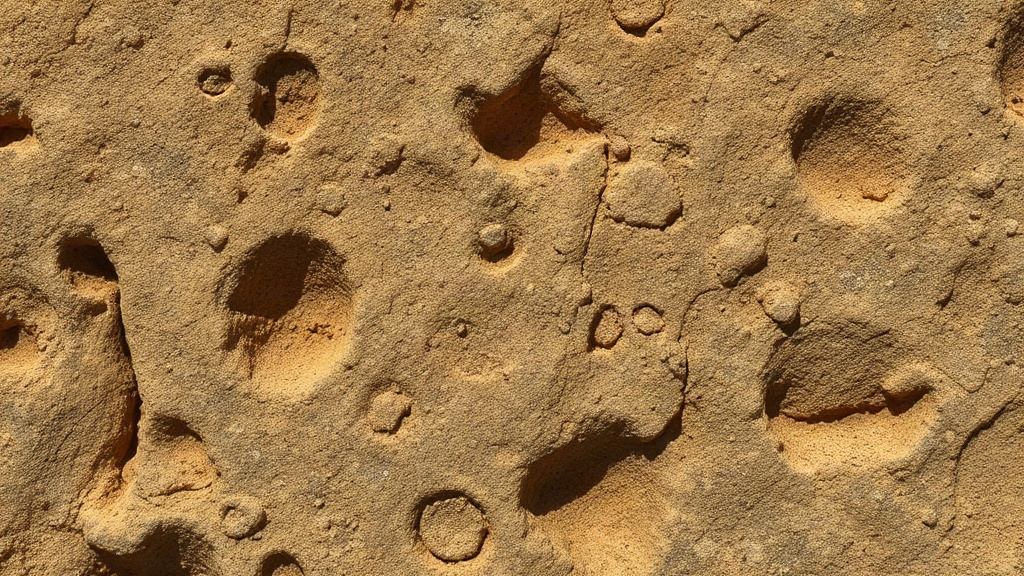
The pit-dwellers of Burzahom

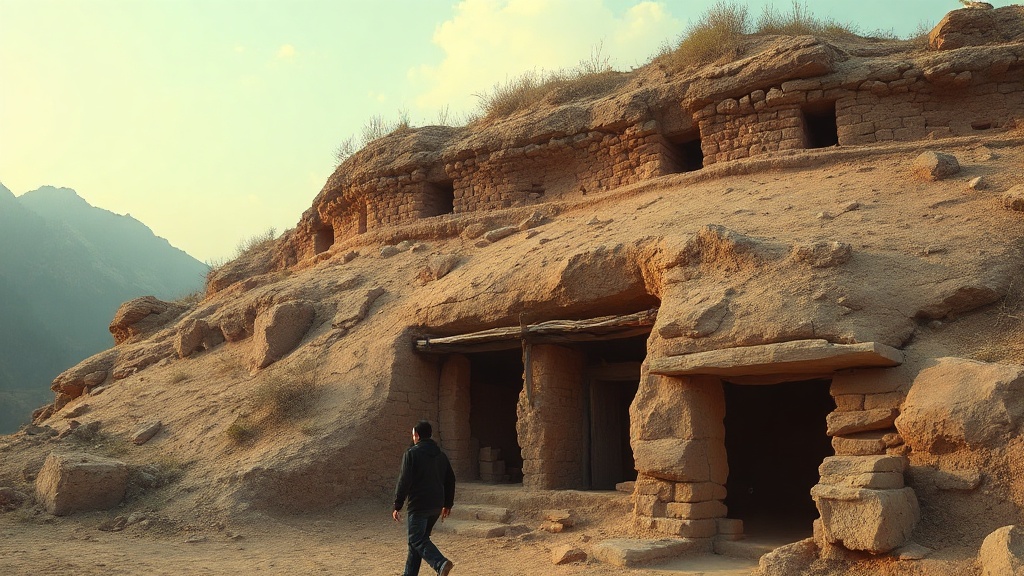
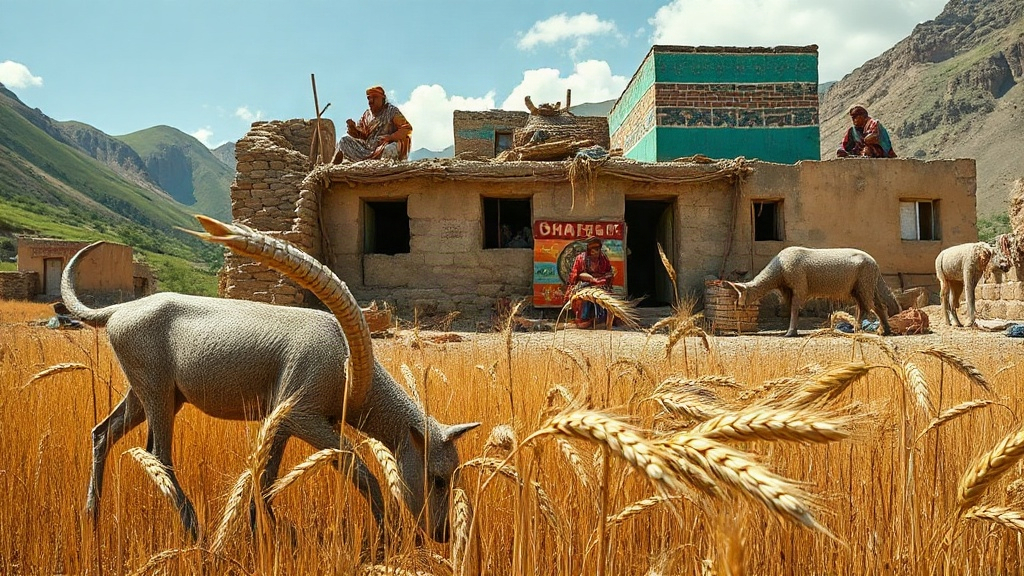
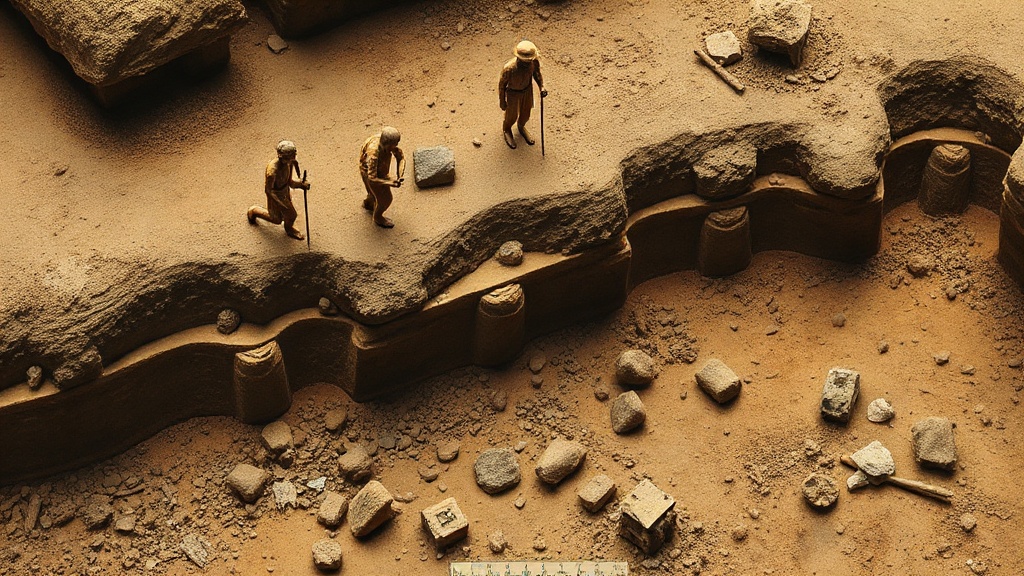
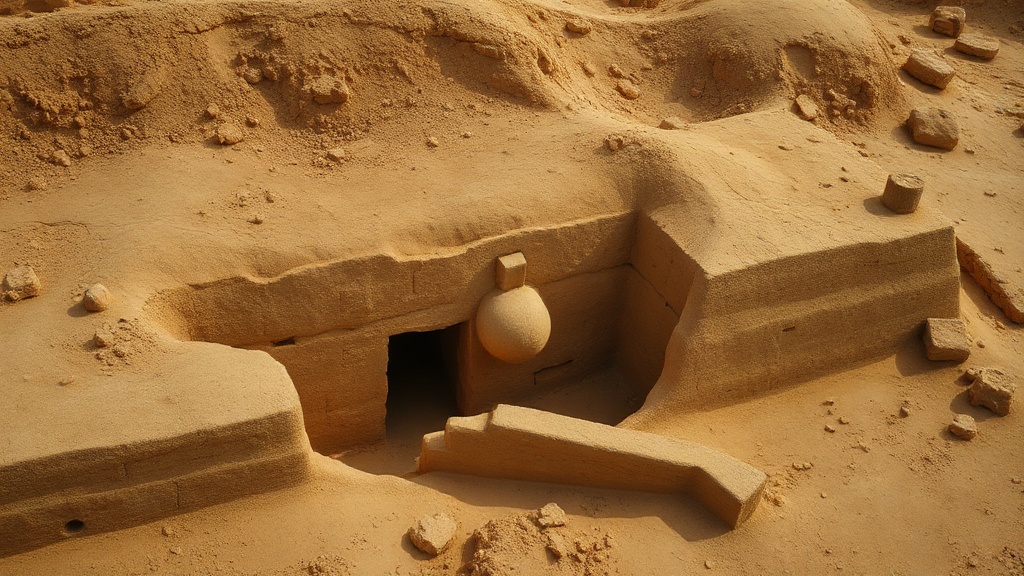
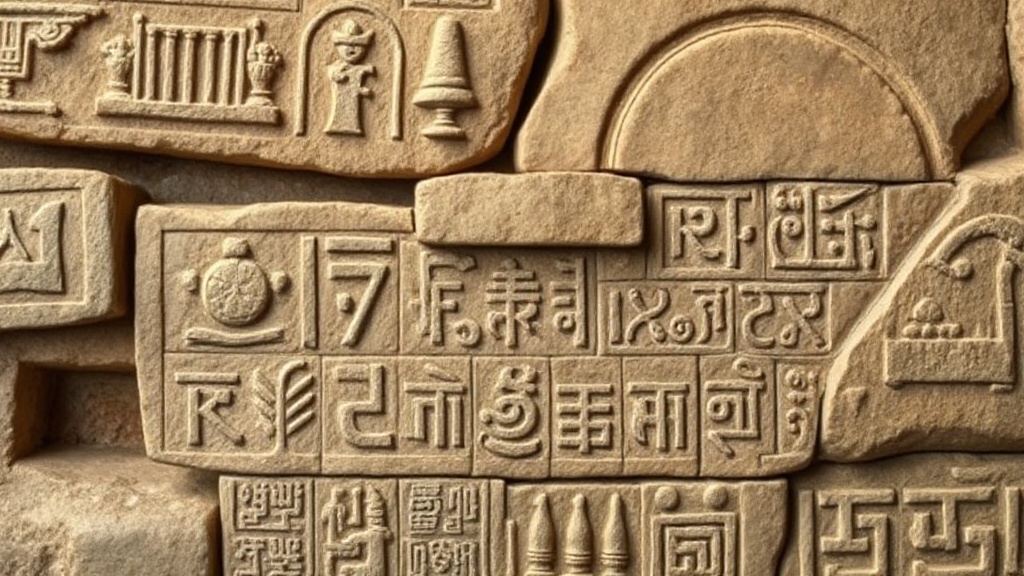
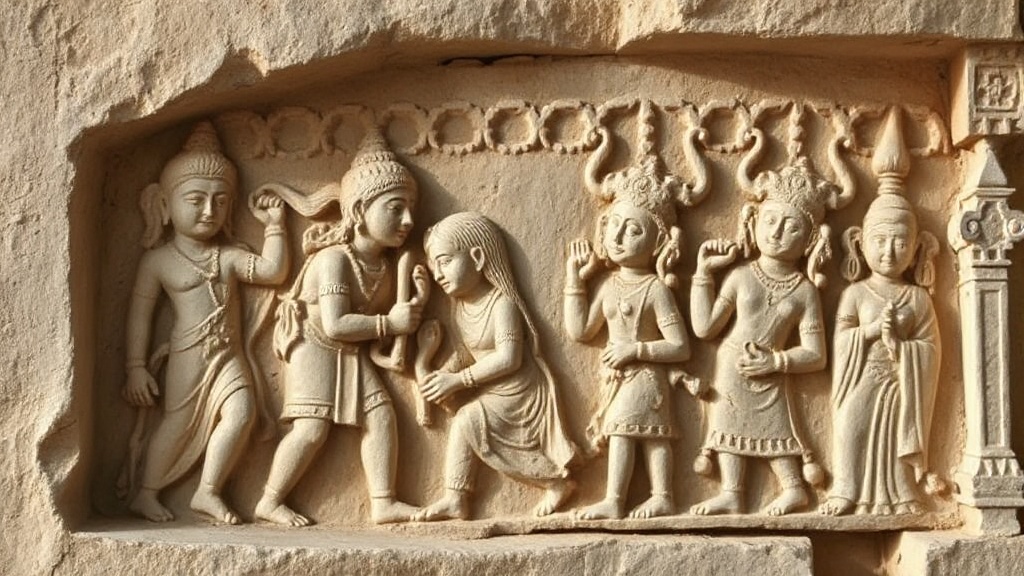
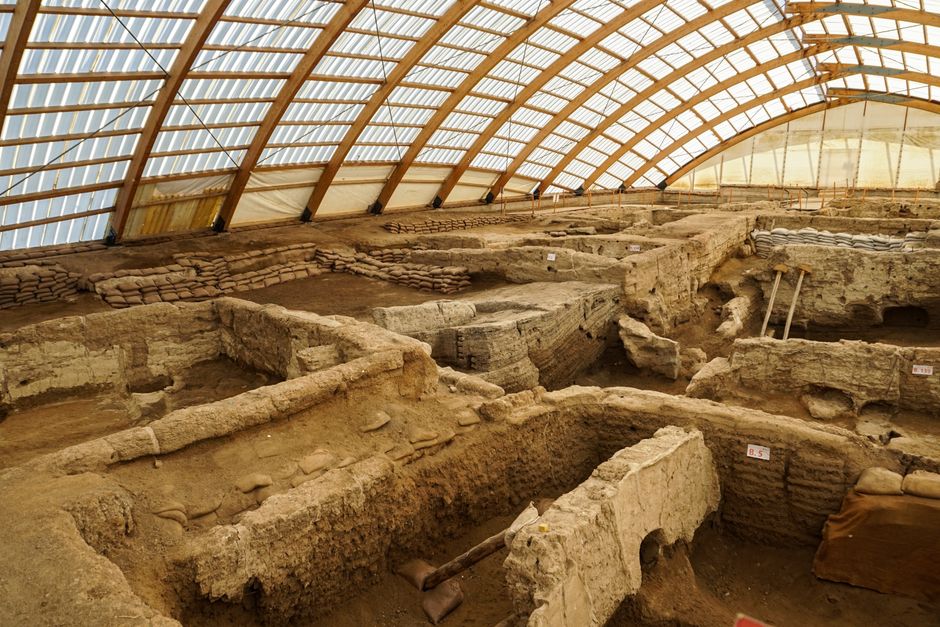
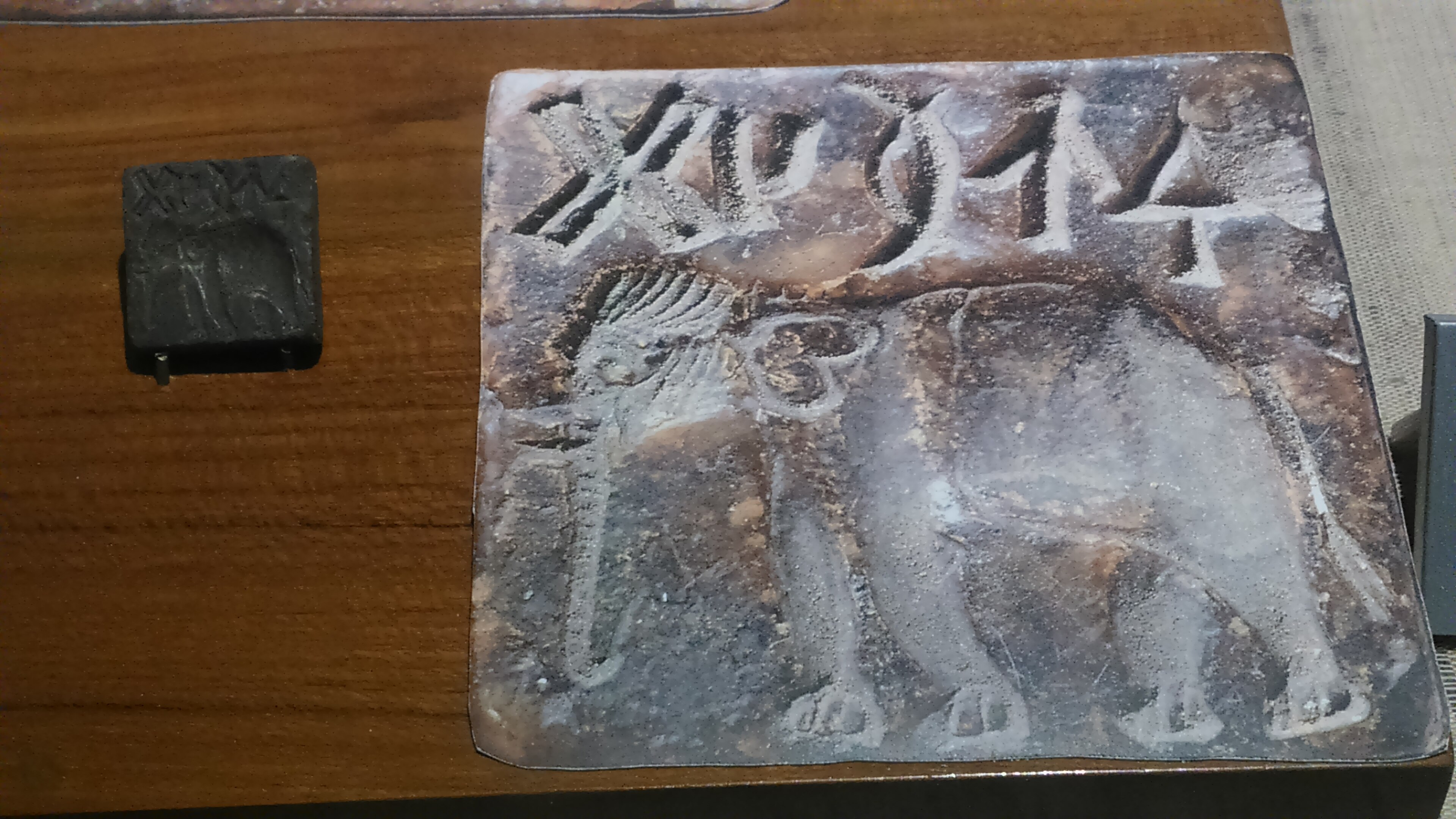
On a karewa terrace near Srinagar, Kashmir Valley farmers spent winters in plastered loess pits, ate wheat and barley with the same crops their Indus contemporaries grew, and left behind one carved slab that has been argued about for fifty years.
Archaeology

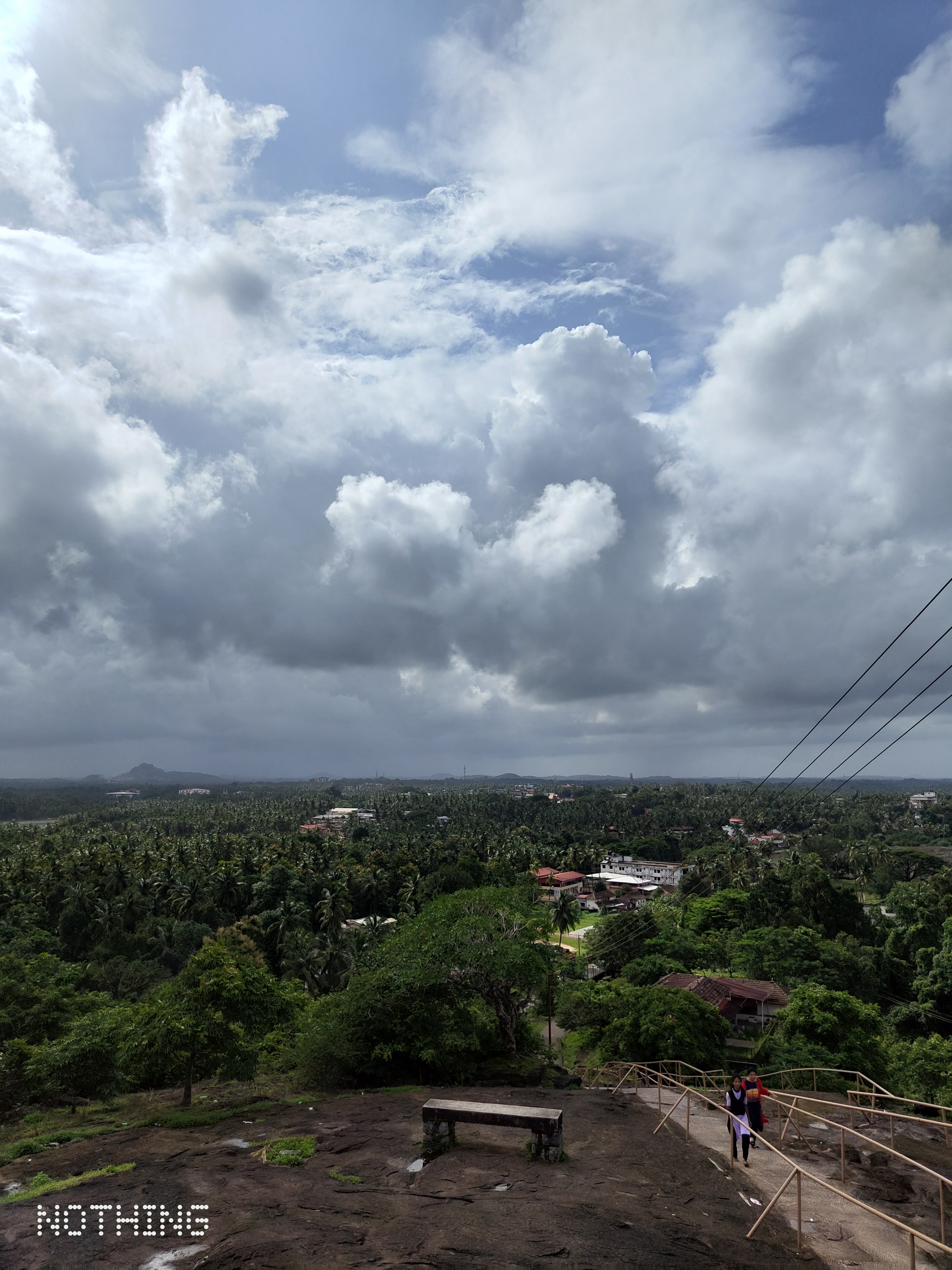
The fort that was a port

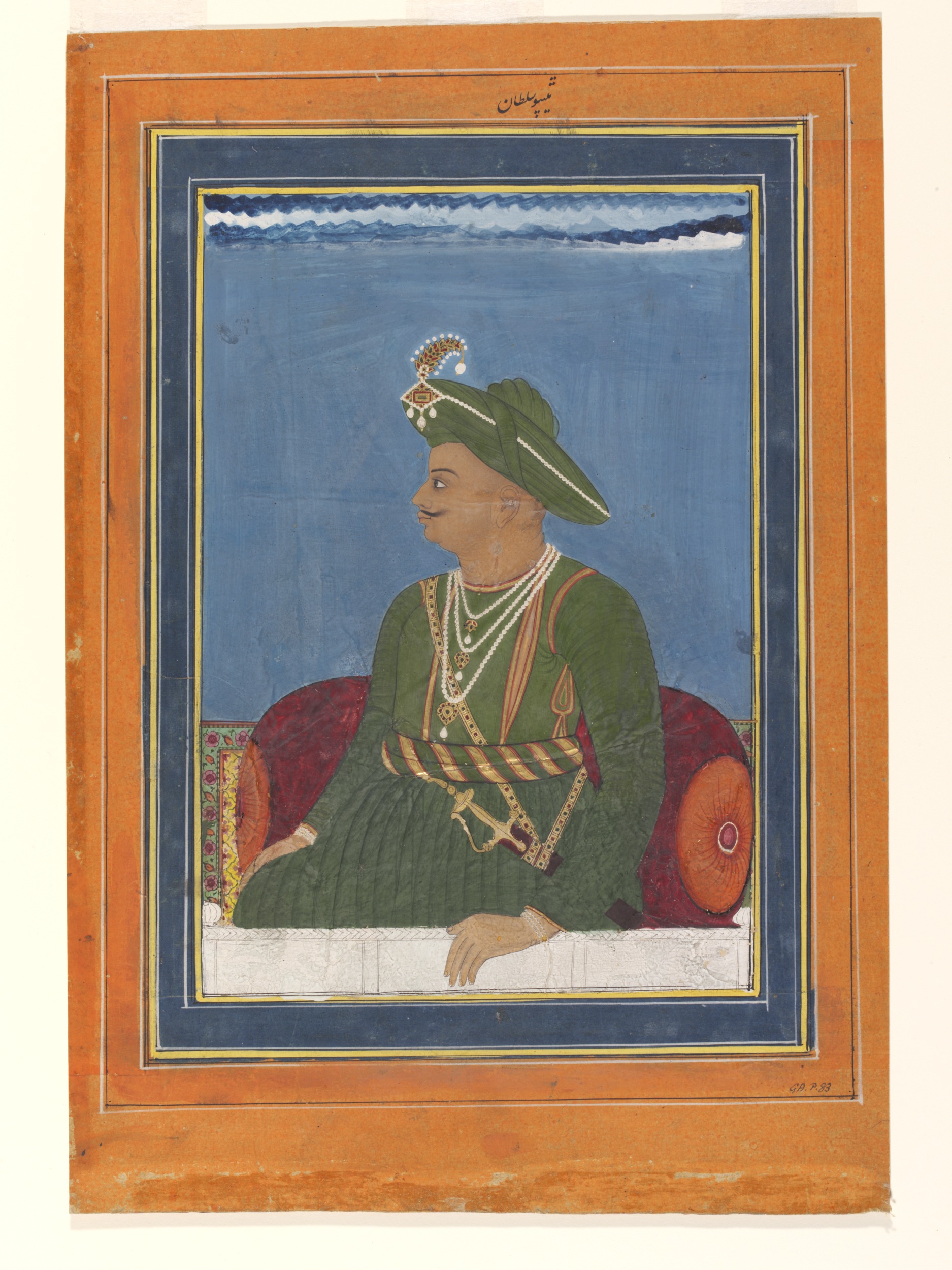
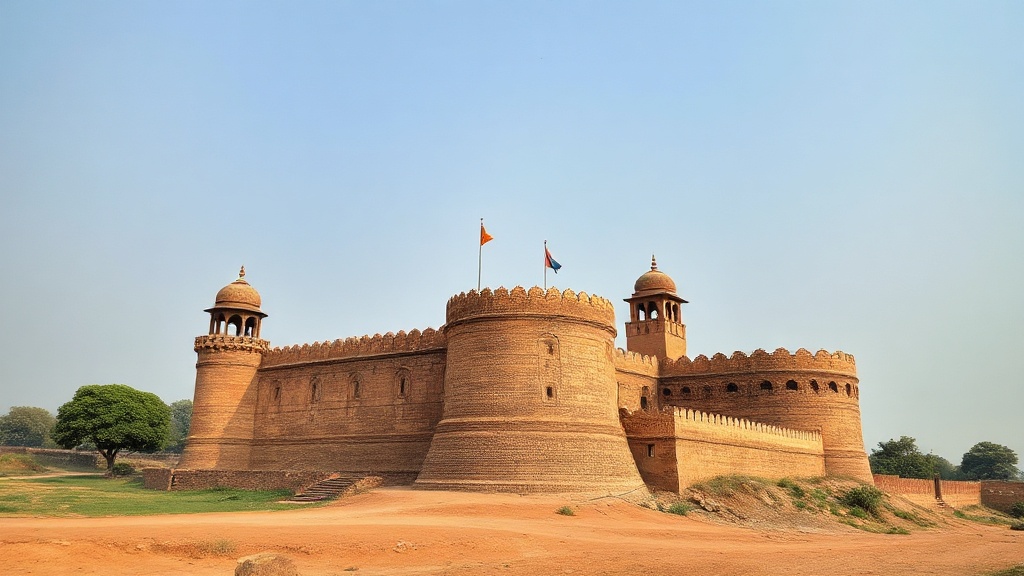
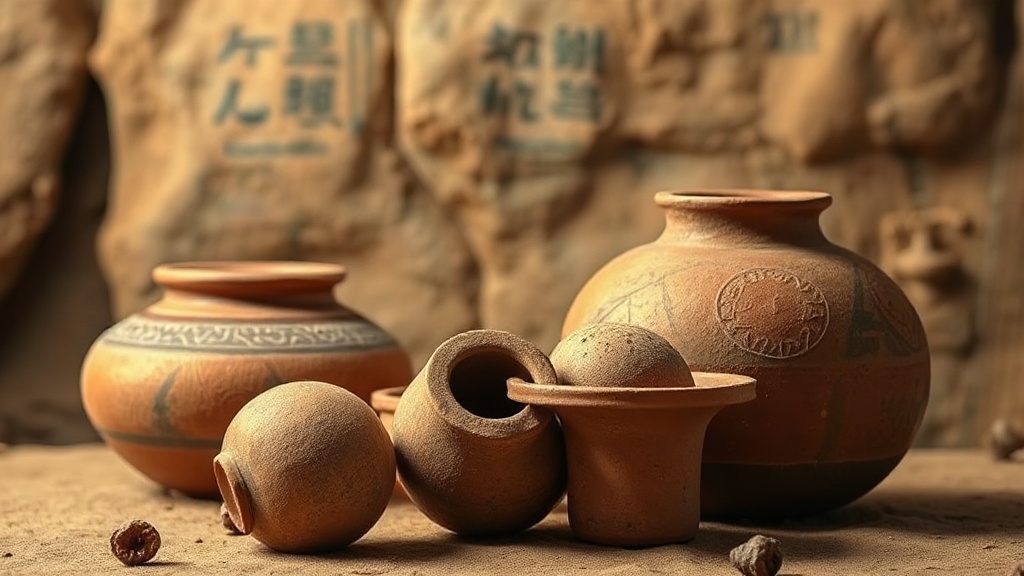
Four seasons of digging at the 17th-century Bekal Fort on the Kerala coast didn't find the deep maritime past textbooks promise — but they did find a Tipu Sultan mint, Chinese export porcelain, and a fort eating off Jingdezhen pottery.

Archaeology

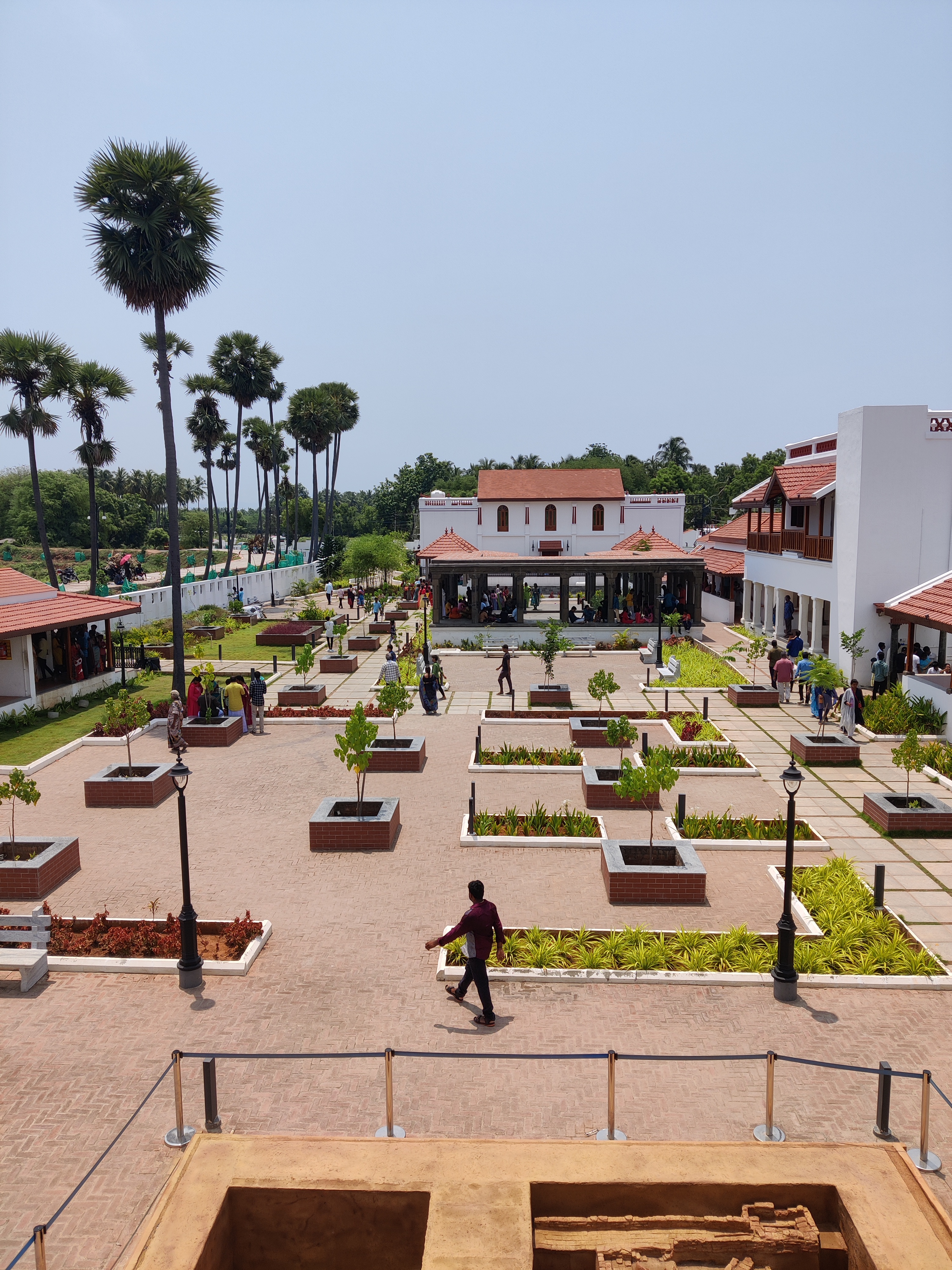
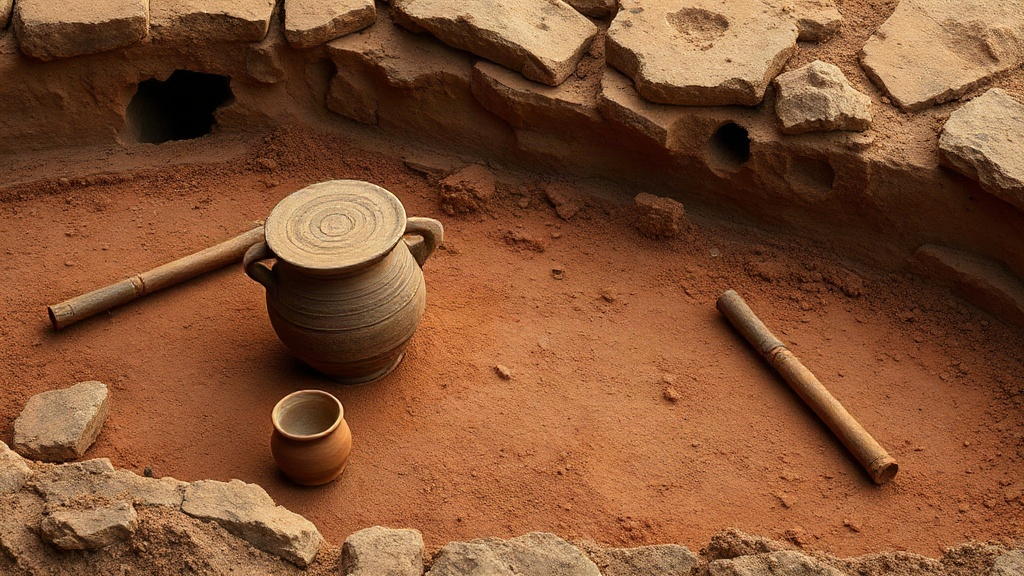
The town under the urns at Adichchanallur

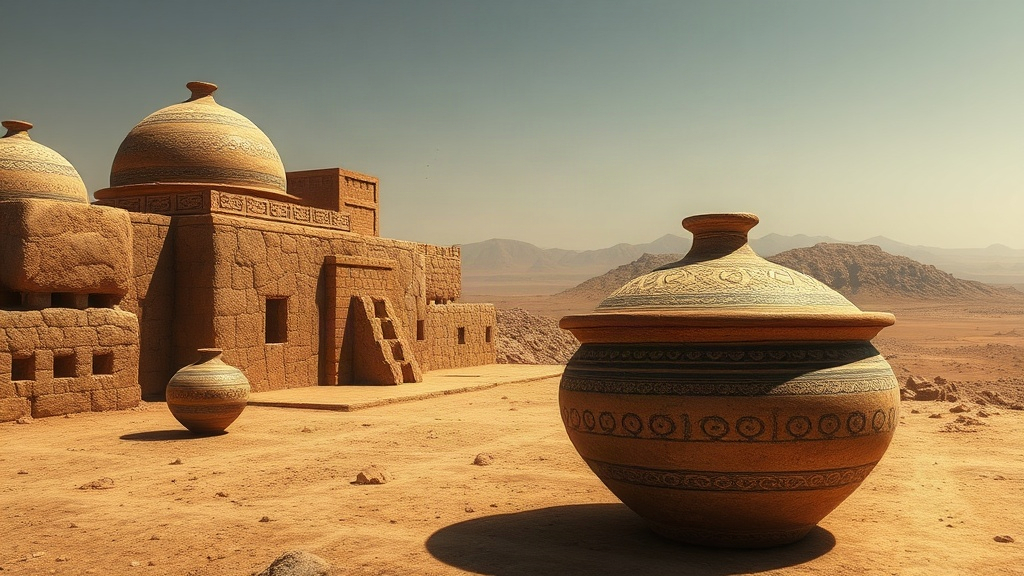
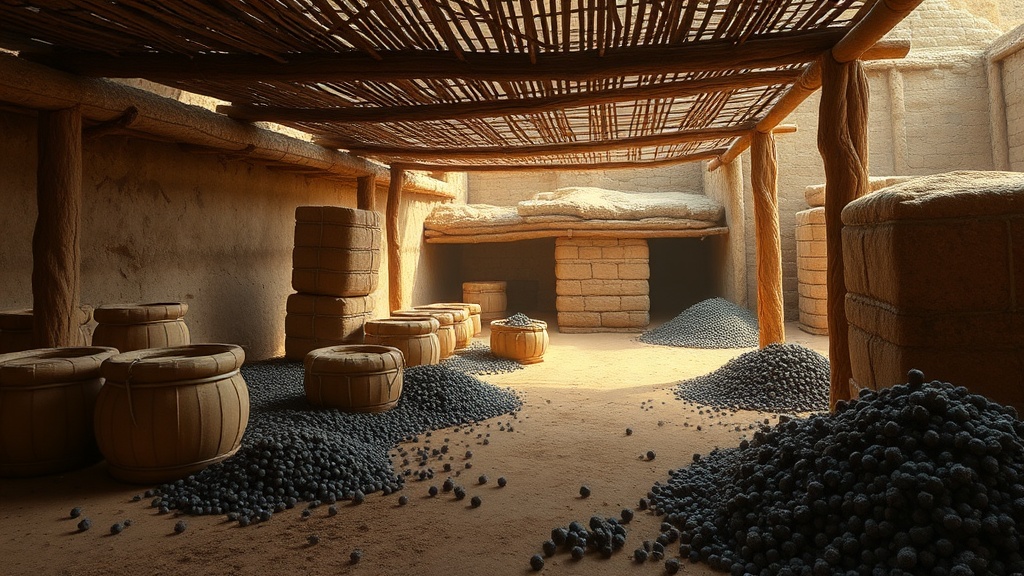
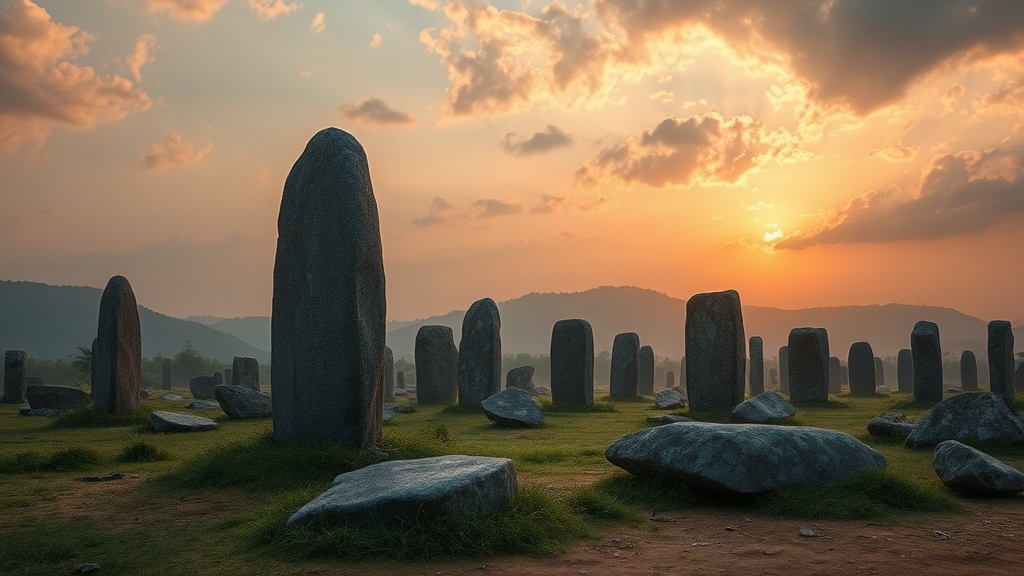
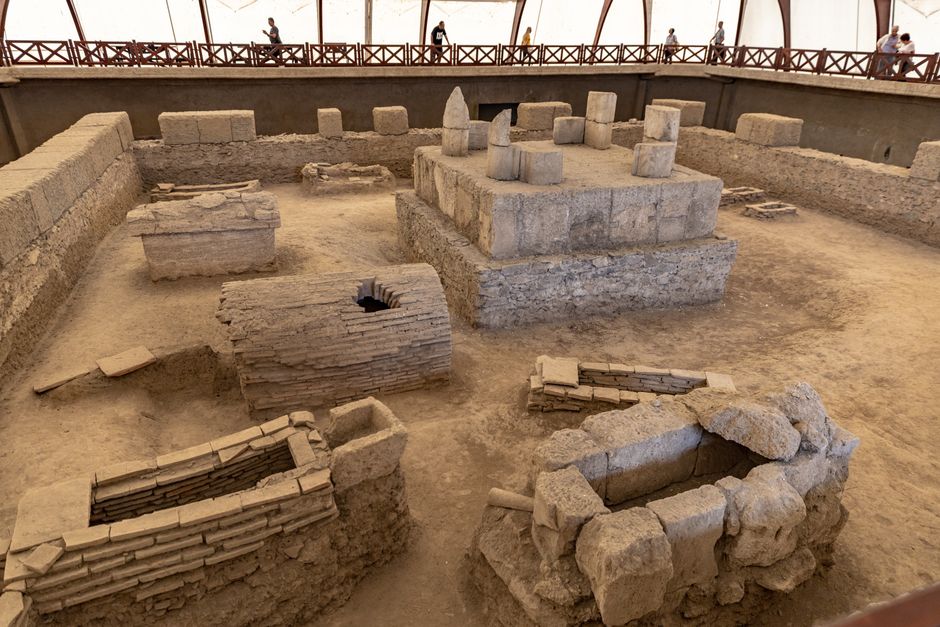
Two seasons of careful re-excavation in 2004–05 finally found the people who had been making the giant burial urns of southern Tamil Nadu for at least three centuries, somewhere between 850 and 540 BCE.

Archaeology

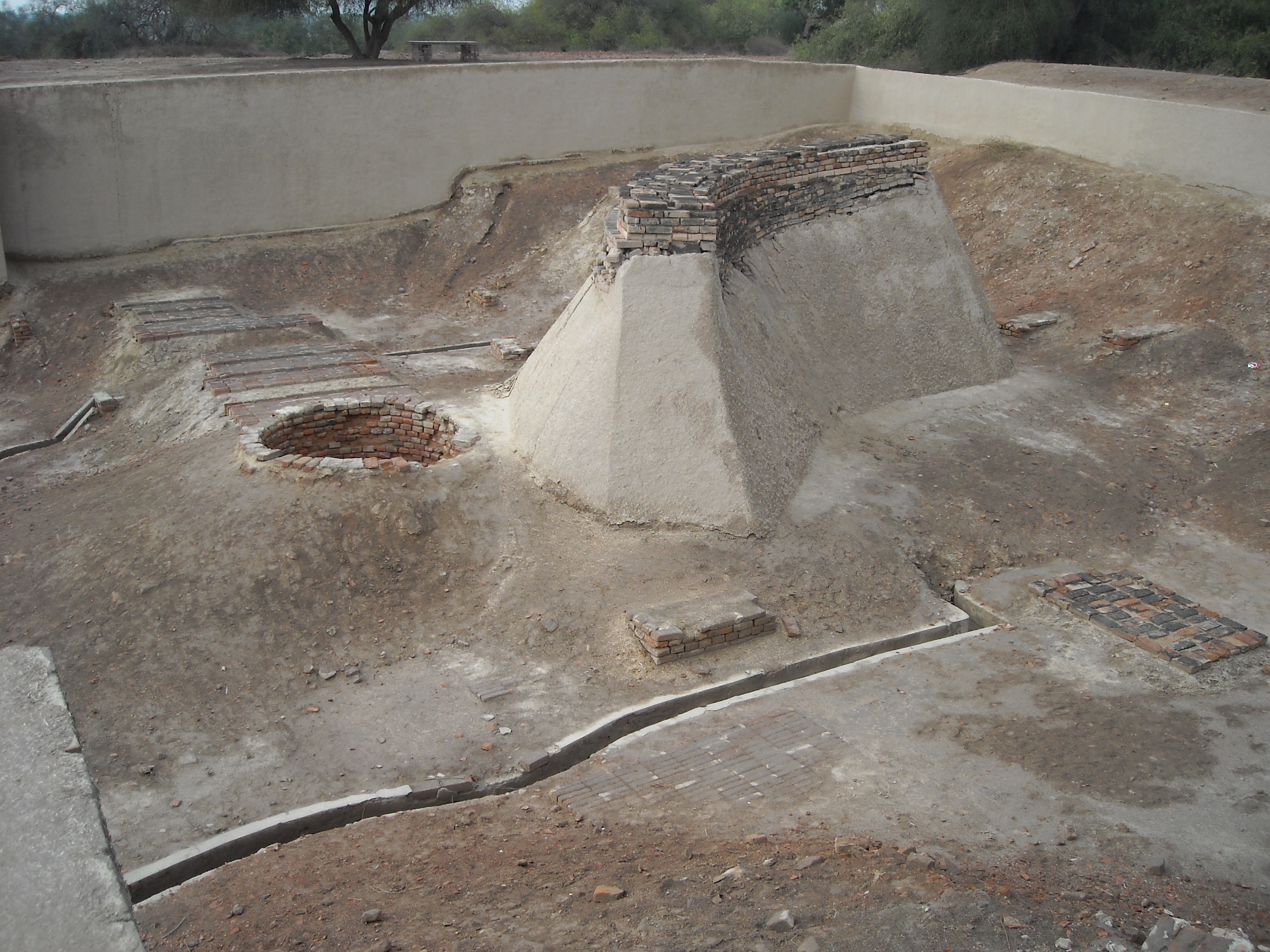
Nagari, the city Patanjali mentioned

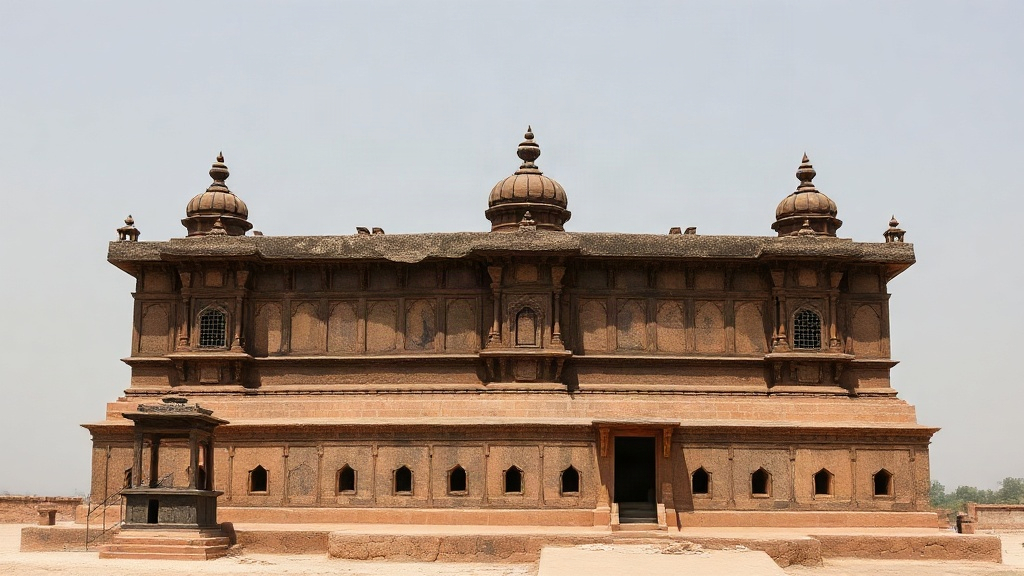
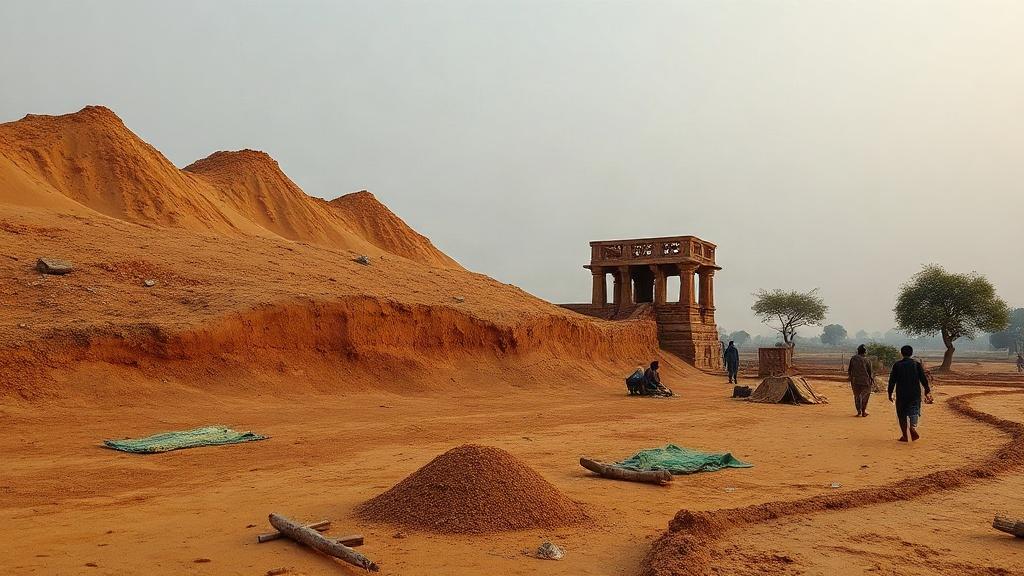
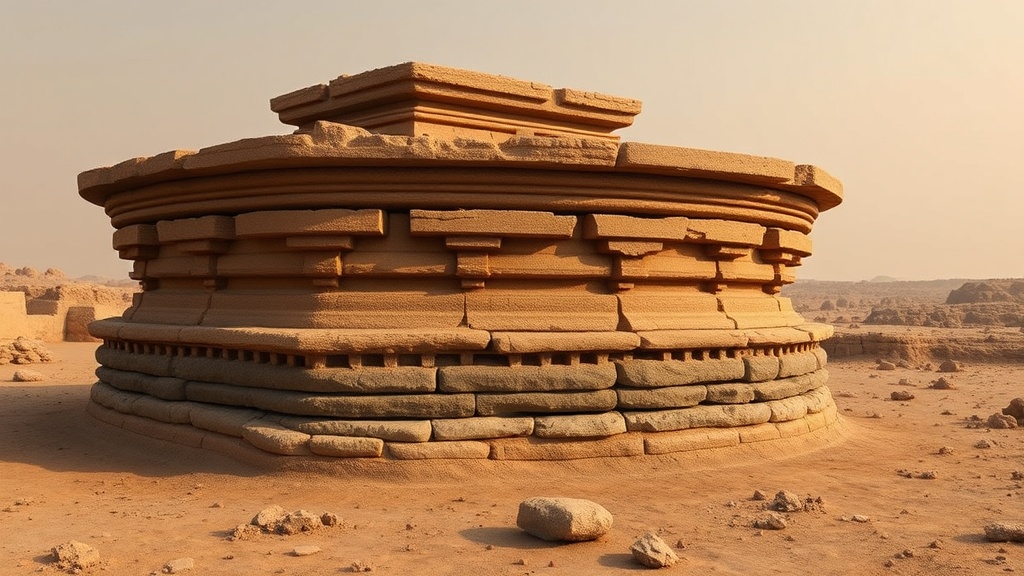
A 1920 ASI excavation in Rajasthan turned up the earliest Sanskrit inscription anyone had seen, evidence of Vasudeva worship in the 4th century BCE, and a fortified town that an Indo-Greek king once besieged.