Swaveda
Indian history, plainly written.
A short daily post on Indian history — archaeology, genetics, historical linguistics, and the texts. Plus side-by-side translations of public-domain primary works. Plain language; no chest-thumping in either direction.
Plain language
Aimed at any curious reader, not the seminar room. Sanskrit / Pali / Tamil terms get a gloss on first use.
Tradition ≠ evidence
“The Mahabharata describes…” and “the Mahabharata war happened in…” are different sentences, and we don’t silently merge them.
Readers can edit
Sign in to send a correction or addition. If it holds up, it changes the article and credits you. If it’s contested, it’s preserved as a reader note.
Latest articles
All articles →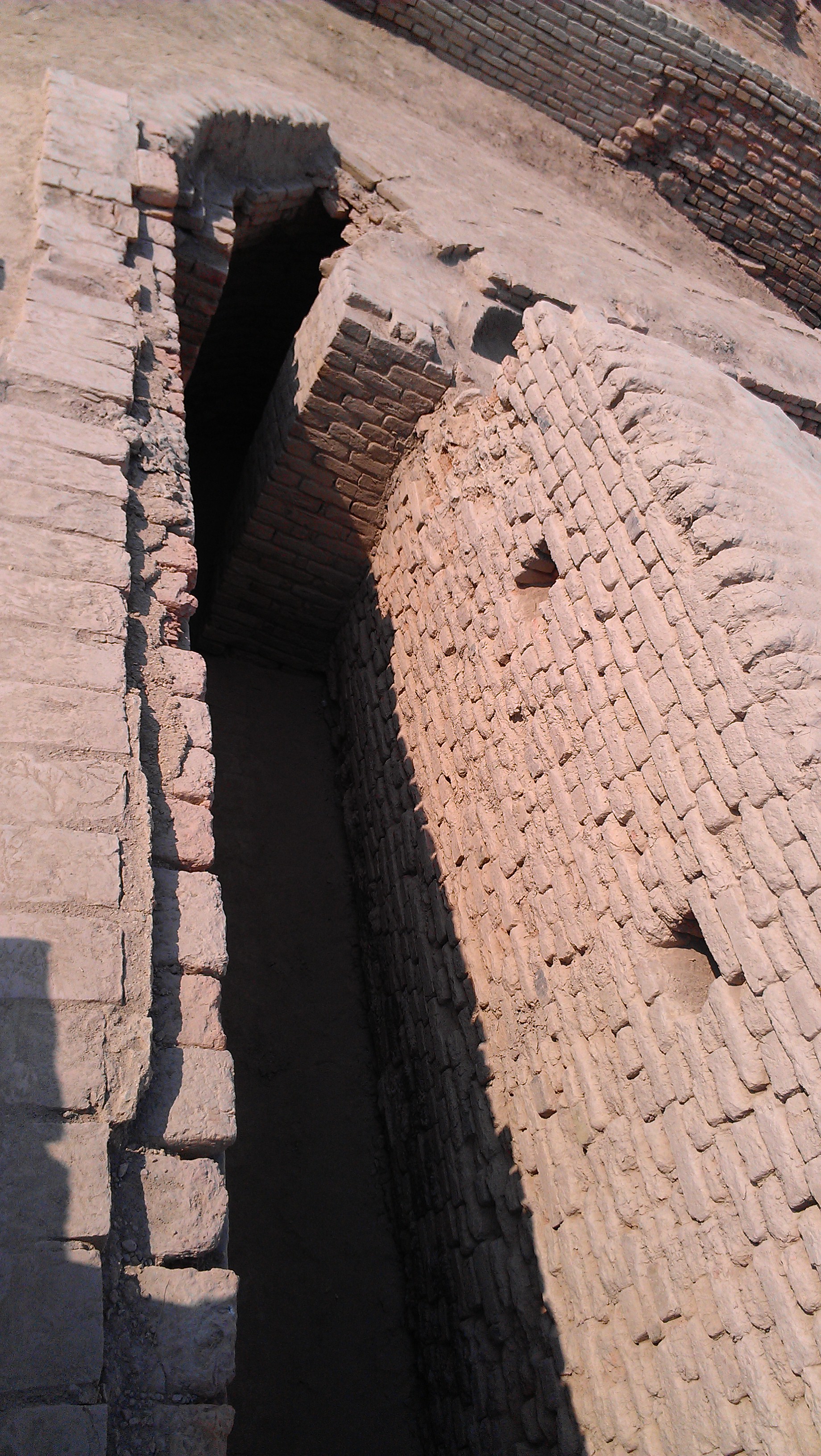
The Mud-Brick Chronology: What C-14 Dates at Rakhigarhi Reveal About Early Harappan Urbanization
Radiocarbon recalibrations and stratigraphic sections at Rakhigarhi’s lowest levels expose the slow, local assembly of Early Harappan mud-brick architecture in the Ghaggar-Hakra basin.
Rohan Bhattacharya · Oct 26, 2026
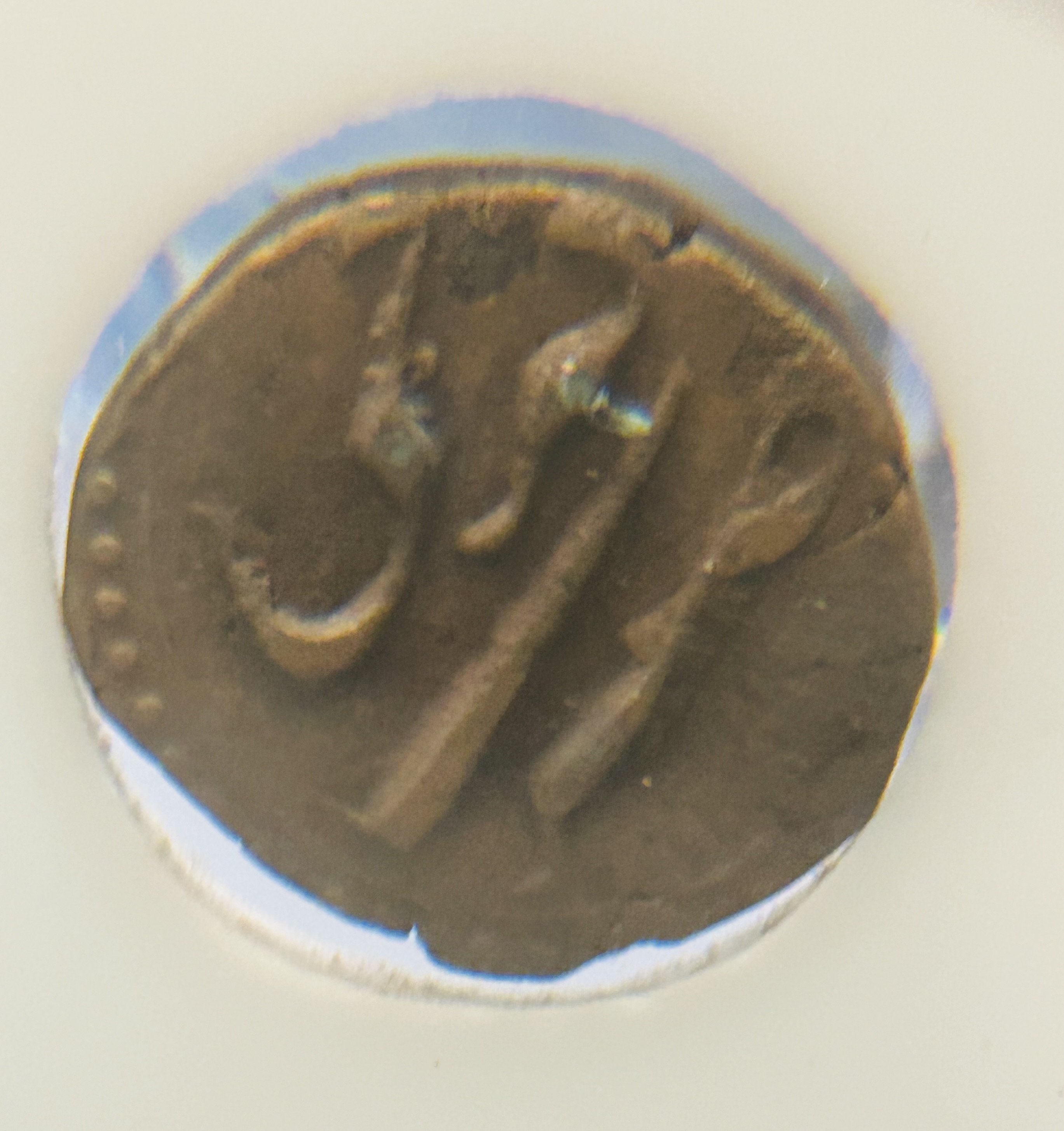
The Rhetoric of Milla: How Iqbal’s 1937 Persianate Vocabulary Shifted Jinnah’s Political Framework
Philological analysis shows how Allama Iqbal’s 1937 Persianate vocabulary shifted Muhammad Ali Jinnah from Western legal constitutionalism to a distinct model of communal sovereignty.
Meera Iyer · Oct 26, 2026
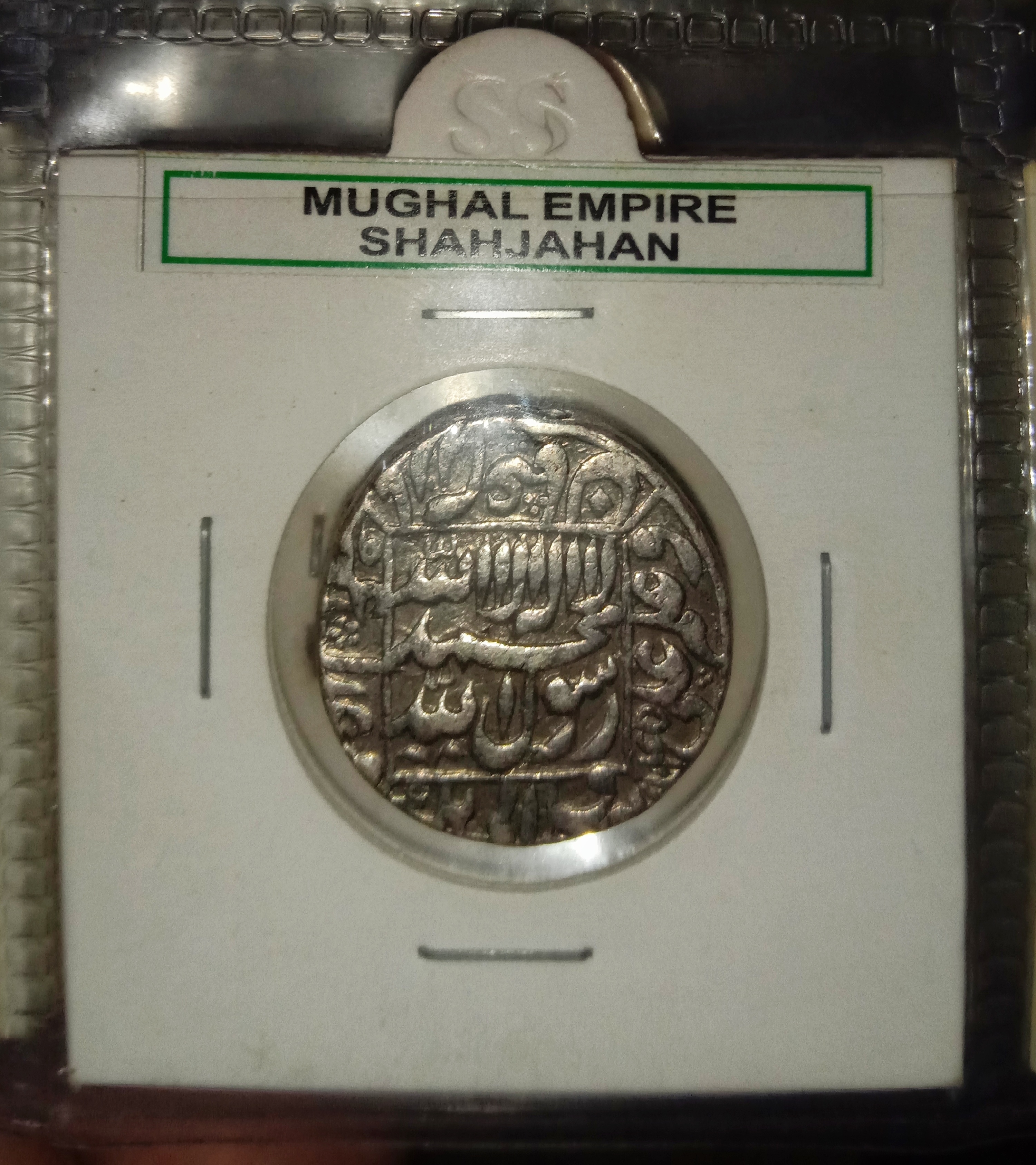
The Stratigraphy of Pattanam: What Numismatics Reveals About Early Chera Port Networks
Excavated Roman silver denarii and local Chera coinage at Pattanam provide physical stratigraphy that anchors ancient Indian Ocean trade routes, though the site's identification as Muziris remains debated.
Devika Menon · Oct 26, 2026
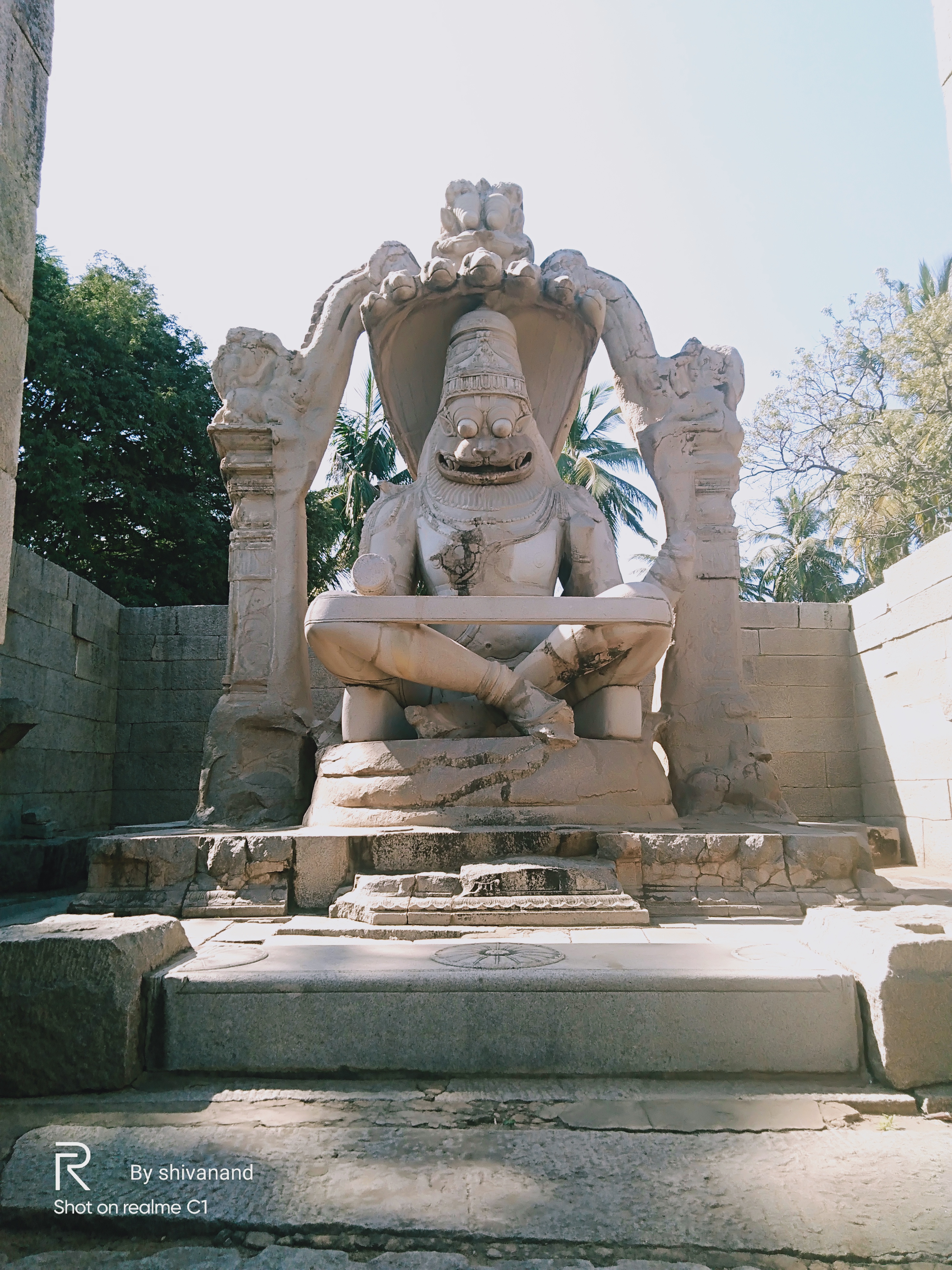
The Weaver’s Thread in the Lexicon: What Austroasiatic Loanwords in Early Indo-Aryan Reveal About Ancient Textile Technology
Comparative historical linguistics and archaeobotanical evidence demonstrate how early Sanskrit textile terms like karpāsa were borrowed from Austroasiatic substrate languages.
Asha Naidu · Oct 26, 2026
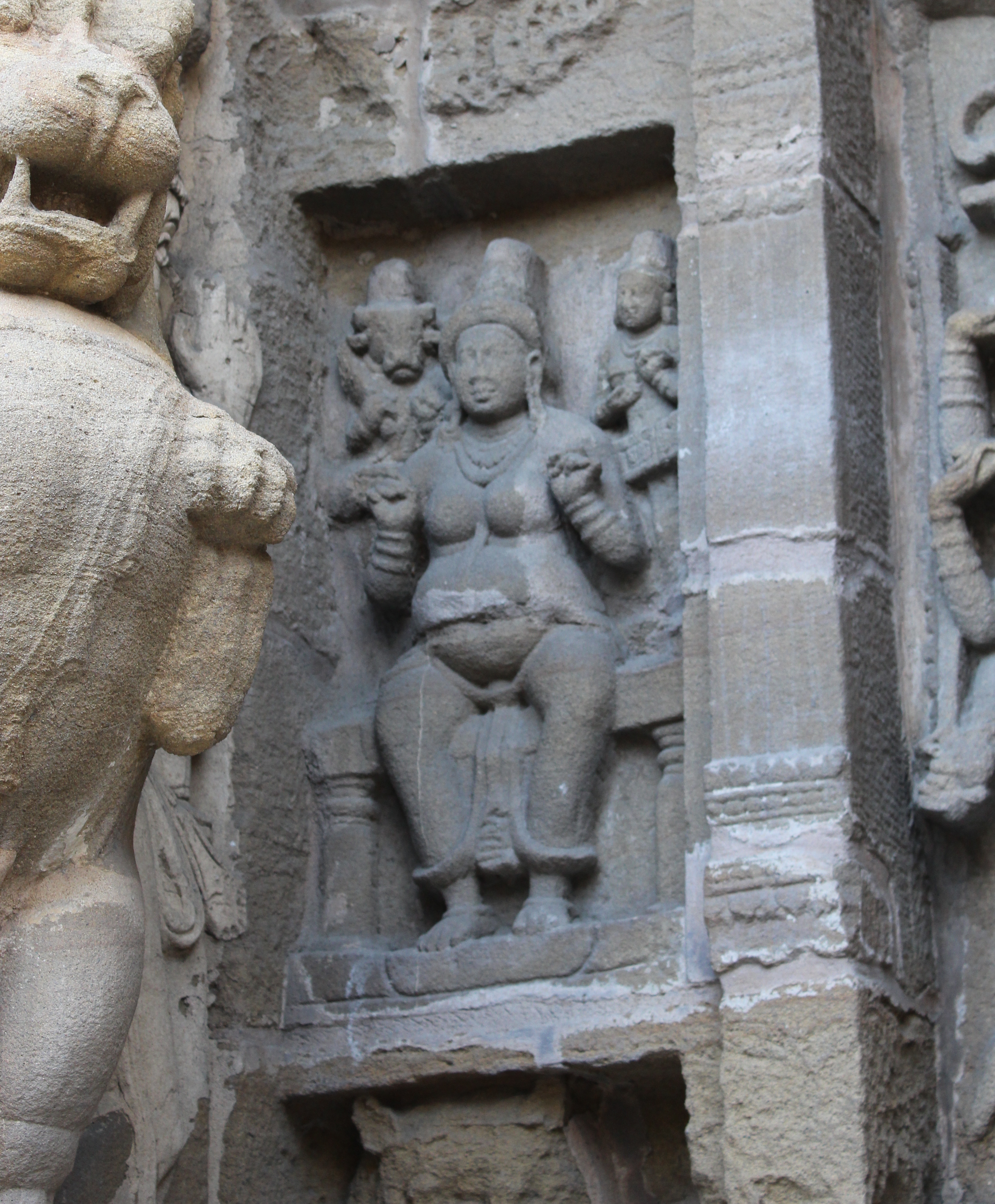
The Submerged Artifacts of Dwarka: What Marine Archaeology and Carbon Dates Reveal About Coastal Gujarat
Marine surveys off Dwarka and Bet Dwarka reveal intertidal settlements and stone anchors from the mid-to-late second millennium BCE, establishing a physical chronology for Gujarat's ancient maritime sites.
Vikram Joshi · Oct 26, 2026
Recent translations
All texts →Sanskrit
Arthashastra
Chapter 150 · Book 15, Chapter 1: Paragraphical Divisions of This Treatise
Updated Jul 26, 2026
Sanskrit
Arthashastra
Chapter 149 · Book 14, Chapter 4: Remedies against the Injuries of One's Own Army
Updated Jul 26, 2026
Sanskrit
Arthashastra
Chapter 148 · Book 14, Chapter 3: The Application of Medicines and Mantras
Updated Jul 26, 2026
A note on tone
Swaveda is curious, careful, and dry. There’s no civilizational chest-thumping in either direction here — no “Vedic India invented everything,” no “everything came from outside.” If we get something wrong, tell us. We fix it visibly, with a dated note.