From Wild Grasses to City Staples: The Archaeobotany of the Indus
By studying carbonized seeds and grinding stones, researchers are uncovering how early Indus urban centers transitioned from foraging to standardized agricultural systems.

Kavya Sharma for SwavedaJuly 19, 2026
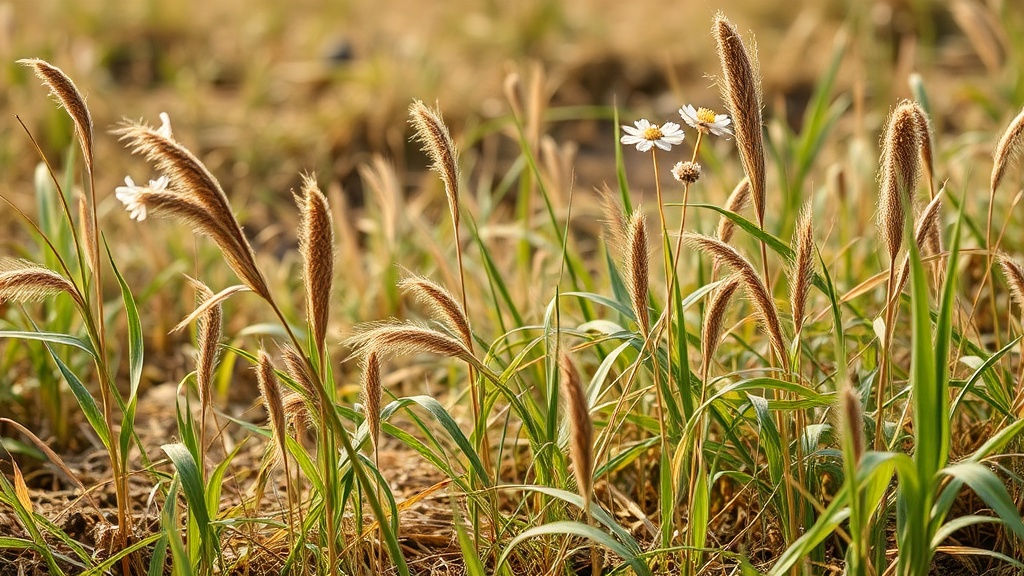
Archaeology often focuses on the walls of ancient cities—the massive mud-brick fortifications or the complex drainage networks. Yet, the story of how people lived in these urban centers is written more clearly in the dust of their hearths and the contents of their storage pits. At sites like Harappa and Mohenjo-daro, carbonized seeds—remnants of meals burnt by accident or preserved by fire—provide a direct link to the daily labor of feeding an expanding population.
The transition from subsistence foraging to standardized farming in the Indus region was not a sudden invention. It was a centuries-long process of trial and error. Recent evidence from the Harappa site shows that early inhabitants relied on a diverse mix of crops, blending indigenous plants with those introduced from western regions. According to reports from the Archaeological Survey of India, the diet at these urban centers included summer crops like millets and winter crops like wheat and barley.
The Shift to Winter Staples
The agricultural foundation of the Indus Civilization relied heavily on the rabi (winter harvest) cropping season. Archaeological findings indicate that wheat (Triticum aestivum) and barley (Hordeum vulgare) became the primary staples of urban life. Evidence shows that these grains were not merely wild-gathered; they were cultivated in the fertile floodplains following the retreat of the monsoons.
Archaeobotanical analysis, which involves the study of plant remains from archaeological sites, reveals that these grains were processed using stone grinding tools. These tools, often found in courtyards and workshops, were essential for transforming hard grains into flour. Tradition holds that this labor was an everyday task for household members, but evidence shows that in larger settlements, the sheer volume of grain suggests organized distribution systems.
Diversity in the Daily Diet
While wheat and barley were the bedrock of the diet, they were not the only plants on the menu. Excavations have identified traces of legumes, such as lentils and chickpeas, which were critical for providing protein. Additionally, oilseed crops like sesame were cultivated. Research summarized by the Archaeological Survey of India highlights that the presence of these varied crops suggests that Indus farmers practiced a sophisticated form of crop rotation, maximizing the nutritional yield of their plots.
This agricultural variety extended to wild resources as well. Even as cities grew, the people of the Indus region did not abandon their foraging roots. Excavated remains confirm that wild rice and various types of tubers continued to supplement the urban diet. This combination of domesticated staples and gathered wild foods likely provided a buffer against the inherent risks of farming, such as pests or uneven rainfall.
Tools of the Kitchen
The physical evidence of grain processing is perhaps the most personal aspect of this history. Archaeologists frequently recover "querns" (flat stones used for grinding) and "mullers" (hand-held stones used to crush grain against the quern). These items are rarely found in isolation; they appear in nearly every domestic dwelling excavated.
The wear patterns on these stones offer clues about their use. Heavy, localized wear indicates consistent, daily use over many years. This suggests that the processing of grain was a rhythmic, near-universal feature of household life. In the context of a city like Mohenjo-daro, where thousands lived in close proximity, the constant sound of grinding stones would have been the backdrop of the morning hours.
Interpreting the Botanical Record
Scholars debate the extent to which the state controlled the distribution of these crops. While some argue that large granaries suggest centralized taxation, other evidence shows that agricultural production remained decentralized at the household or village level. This debate is further complicated by the fact that the Indus script remains undeciphered, leaving us without direct primary-source records of administrative grain accounts. Scholars debate whether the standardization of weights and measures across the region implies a centralized authority or a standardized trade culture.
Carbonized remains help settle some of this by showing that even within large urban centers, individual families maintained a degree of autonomy over their dietary choices. The study of these botanical remains also provides insights into how the Indus people navigated the environment. The selection of specific wheat varieties that could thrive in the Indus climate indicates a deep understanding of local soil and water conditions.
As researchers continue to analyze soil samples and carbonized seeds from newer excavations, the picture becomes clearer: the Indus Civilization was not just a network of cities, but a complex agricultural system that carefully balanced the wild and the domesticated to sustain its people. By looking at the charred seeds trapped in the mud-bricks and hearths, we see the true shape of life in the Indus Valley. It was a life sustained by the patient grinding of wheat, the seasonal planting of legumes, and the careful stewardship of the land that made urban life possible. Each grain tells a story of a society that successfully bridged the gap between the nomadic past and the urban future.