The Rice of the Rāmāyaṇa: What Archaeobotanical Phytoliths and the Vālmīki Lexicon Reveal About Gangetic Agriculture
Archaeobotanical evidence from Gangetic sites like Lahuradewa and Jhusi reveals agricultural shifts that parallel the botanical terminology of the Vālmīki Rāmāyaṇa.

Vikram Joshi for SwavedaOctober 25, 2026
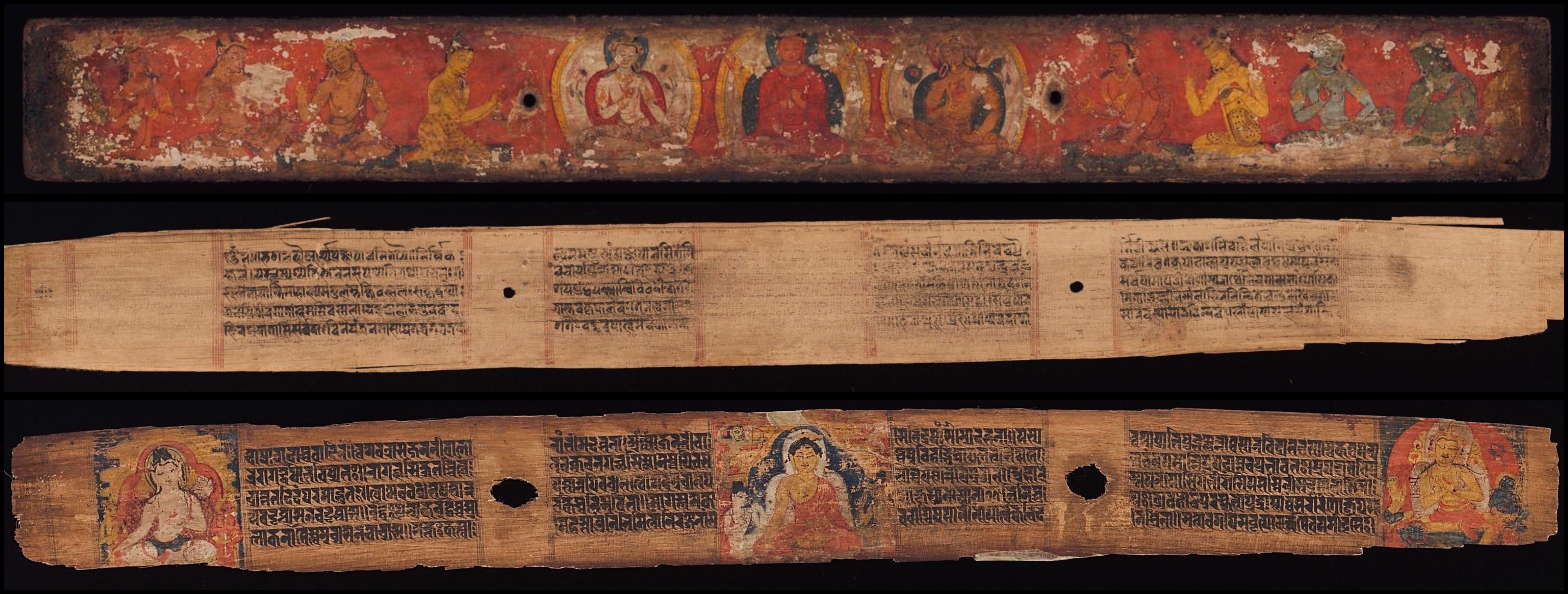
The agricultural landscape described in the Vālmīki Rāmāyaṇa features detailed observations of crops, seasons, and farming methods. In the text's critical edition, references to winter rice (śāli, transplanted rice) and autumn-harvested grains (vrīhi, quick-maturing sown rice) depict an established agrarian economy along the Sarayu and Ganga rivers (Journal of Indian History and Culture). The text also accounts for wild rice (nīvāra, uncultivated swamp rice) gathered in forest fringes. While tradition holds that these agricultural descriptions reflect a timeless bronze-age or high antiquity, archaeobotanical excavations in the Middle Ganga Plain present a distinct physical timeline tracking how wild grass gathering evolved into intensive field cultivation.
⚖ Scholarly debate surrounds the timeline of the epic's composition. One school of philological and historical analysis suggests that the core narrative of the Rāmāyaṇa originated between the 8th and 6th centuries BCE, handed down via oral traditions. Another prevailing scholarly view argues that the text as preserved in the critical edition compiled at the Oriental Institute of Baroda represents a multi-layered text composed, expanded, and edited between the 5th century BCE and the 3rd century CE.
Recent micro-botanical studies analyzing phytoliths—microscopic silica structures that form inside plant cells—alongside carbonized grain sequences provide a clear physical record of this agricultural transition across key sites in Uttar Pradesh.
The Microscopic Record: From Gathering to Domestication
At Lahuradewa in the Sant Kabir Nagar district, archaeobotanical evidence documents early human interaction with rice species (ResearchGate). Phytolith sequences recovered from lake sediments and early occupational layers demonstrate the presence of wild rice (Oryza rufipogon) utilized by early populations (ResearchGate). Carbonized grains from Lahuradewa Period IA reflect early management of indigenous rice varieties (ResearchGate).
Further downriver at Jhusi, situated near the Ganga-Yamuna confluence in Prayagraj, plant macro-remains show how farming expanded over subsequent millennia (ResearchGate). Excavations yield carbonized seeds of fully domesticated Oryza sativa (cultivated rice) alongside winter and summer pulses, documenting an established multi-cropping regimen (ResearchGate).
Phytolith analysis from these sites reveals a shift in cell structure over time. Wild rice varieties generally produce distinct double-peaked glume cells—the silica shells covering the grain—and fan-shaped motor cells that differ in scale from domesticated forms. As agricultural techniques developed during the Gangetic Iron Age, the proportion of domesticated-type phytoliths and non-shattering spikelet bases (the stem attachments that hold mature seeds to the plant) increased sharply in the soil strata. Evidence shows a systemic shift from wild harvesting to intensive field cultivation.
Sanskrit Lexicon and Crop Classification
The primary texts preserve this shift through precise agricultural vocabulary. Sanskrit literature classifies rice varieties based on growth cycles, water requirements, and grain quality:
- Vrīhi (broad-grain autumn rice): Refers to categories of direct-sown, early-maturing rice harvested in early autumn (WordPress.com).
- Śāli (transplanted winter rice): Denotes late-ripening rice varieties that require bunded, standing water and controlled irrigation (WordPress.com).
- Nīvāra (wild uncultivated rice): Identifies wild rice gathered in swamps and natural wetland settings (WordPress.com).
In the Vālmīki Rāmāyaṇa, references to śāli fields and seasonal harvests reflect a countryside where transplanted paddy farming was widely established. The text describes golden fields standing ready for harvest in late autumn, matching the maturation cycle of high-yield śāli varieties (WordPress.com).
Archaeobotanical analysis indicates that śāli-style transplanted cultivation requires deliberate landscape engineering, earth bunding (field embankments), and canal irrigation. Early Neolithic strata in the Gangetic Plain contain high proportions of wetland weed seeds associated with rain-fed or wild rice stands. In contrast, Iron Age layers show weed assemblages specifically linked to irrigated, plowed paddy fields, aligning with the vocabulary found in the epic text.
Comparing Textual Vocabulary and Excavation Data
The presence of carbonized rice across upper and middle Ganga sites was established during early modern excavations. In his 1954–55 report in Ancient India, archaeologist B.B. Lal documented carbonized rice grains from Period II layers at Hastinapur (Wikipedia), confirming that domesticated rice was a staple crop in the Ganga-Yamuna Doab during the early first millennium BCE.
The textual tradition and the archaeobotanical record tell complementary parts of this agricultural story. While traditional framing distinguishes between transplanted śāli (WordPress.com) and autumn-harvested vrīhi, the physical excavation record traces a multi-thousand-year morphological shift from wild Oryza rufipogon to domesticated Oryza sativa (ResearchGate).
Cultivation techniques described in the text—such as deep plowing, field flooding, and seasonal canal management—map onto the phytolith assemblages uncovered in Gangetic Iron Age layers. The soil strata show clear weed environments typical of managed paddy fields rather than untamed wetlands.
While traditional belief places these agricultural descriptions in a singular ancient era, textual critical analysis demonstrates how vocabulary settled across centuries. The critical edition shows that key agricultural terms are uniformly present across regional recensions. This structural consistency suggests that the literary depiction of śāli farming reflects the agrarian realities of the central Gangetic Iron Age, a period when iron tillage, bunded paddy fields, and specialized rice varieties became widespread across northern India.
Archaeology and text offer distinct perspectives on this evolution. The recited tradition preserves the cultural memory, social value, and precise technical terms of an agrarian society, while phytolith and carbonized grain sequences provide measurable physical evidence tracking how farmers reshaped the Gangetic landscape.