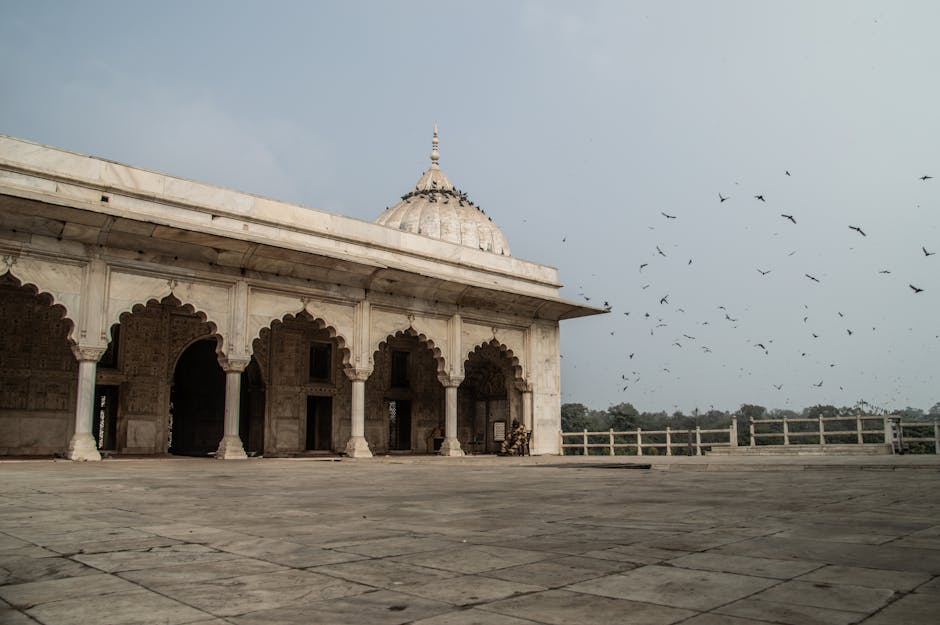
How Delhi's Khariboli Dialect Became Hindi and Urdu: A Linguistic History
Khariboli, a market dialect spoken around Delhi, evolved into modern Hindi and Urdu through Mughal courtly patronage, British colonial policy, and 20th-century nation-building. We trace the evidence from early Persianate sources, colonial linguistic surveys, and modern sociolinguistic studies.
 Devika Menon · July 9, 2026
 ArchaeologyASI fieldworkIndus Valley
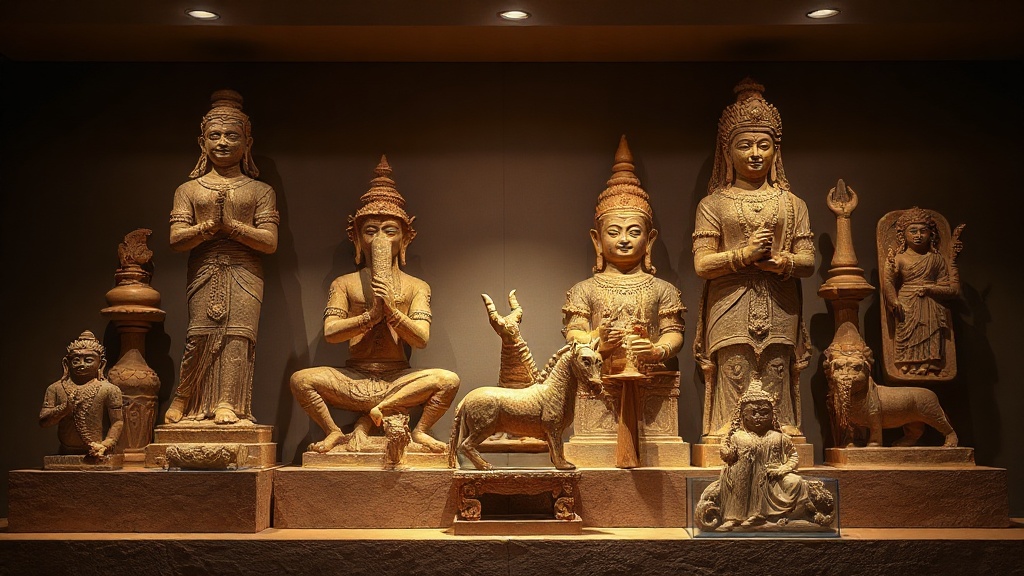
Odisha's Sculptural Layers: 7th to 14th Century Artistry Unearthed
Exploring Odisha's rich sculptural heritage from the 7th to 14th centuries CE, this article examines stylistic evolution and iconographic shifts at the Odisha State Museum.
 Rohan Bhattacharya · July 9, 2026
 myth vs. evidenceepic datingtraditional chronology
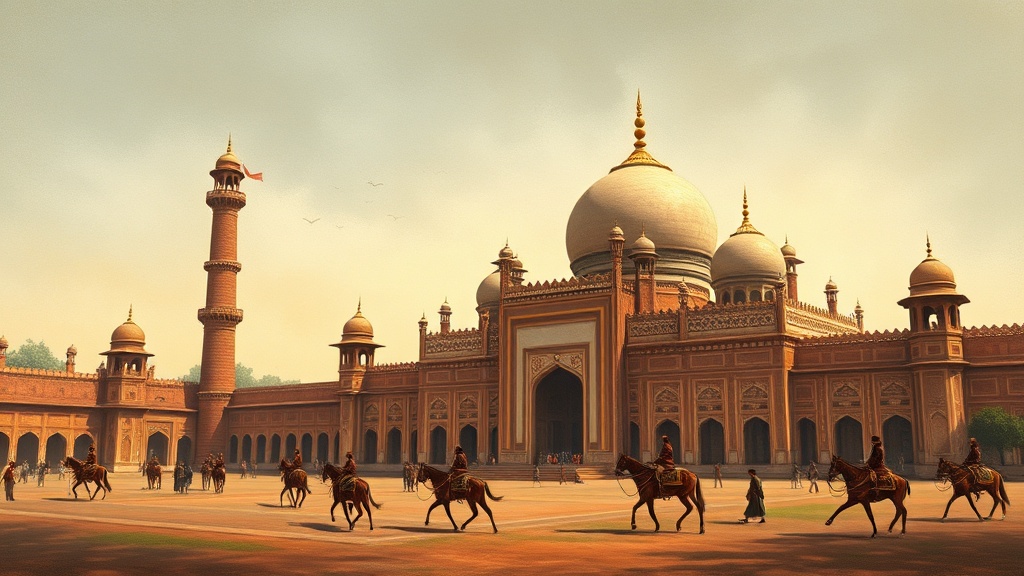
The Sayyid Dynasty: A Period of Sultanate Erosion
The Sayyid Dynasty (1414-1451 CE) marked a period of significant weakness for the Delhi Sultanate, struggling with internal fragmentation and external threats following Timur's devastating invasion.
 Vikram Joshi · July 9, 2026
 myth vs. evidenceepic datingtraditional chronology
Mughal Authority Reins in East India Company Ambitions, 1686
In 1686, Mughal imperial decrees curtailed the East India Company's military expansion, forcing a retreat from nascent imperial aspirations and demonstrating the paramountcy of Mughal authority in the region.
 Vikram Joshi · July 8, 2026
 primary textsSanskrit and Pali translationphilology
What Ancient Indian Women Wore: Evidence from Sculpture and Text
What did women wear in ancient India—and how do we know? Sculpture, frescoes, and Sanskrit texts describe garments from 300 BCE to 600 CE across North and South India. Evidence, not myth.
 Meera Iyer · July 7, 2026
 ArchaeologyASI fieldworkIndus Valley
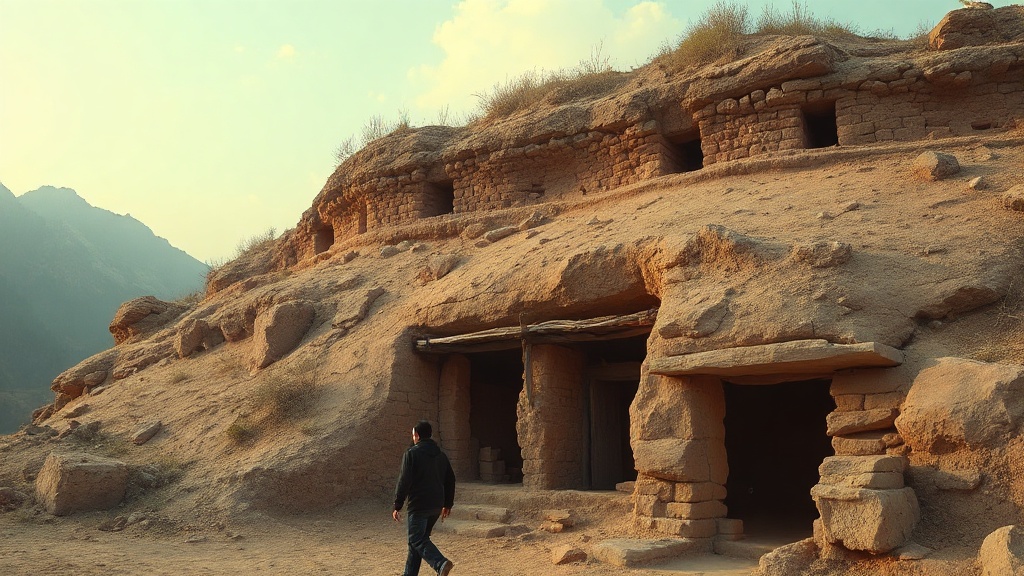
Why Did Neolithic Kashmiris Live Underground? Burzahom's Pit Dwellings Explained
ASI excavations at Burzahom (3000–1500 BCE) uncovered deep pit houses—some 4 meters below ground. What they reveal about climate adaptation, family structure, and daily life in Neolithic Kashmir.
 Rohan Bhattacharya · July 7, 2026
 Geneticsancient DNApopulation history
Who Are the Anglo-Indians? Genetics, History, and Identity
Anglo-Indians—descendants of British and Indian unions during colonial rule—form a distinct genetic and cultural community. What ancient DNA, parish records, and oral history reveal about their origins and diversity.
 Dr. Anil Patel · July 7, 2026
 maritime tradeIndian Ocean networksnumismatics
Chola Tamil Inscriptions: Tracing Language and History in Stone
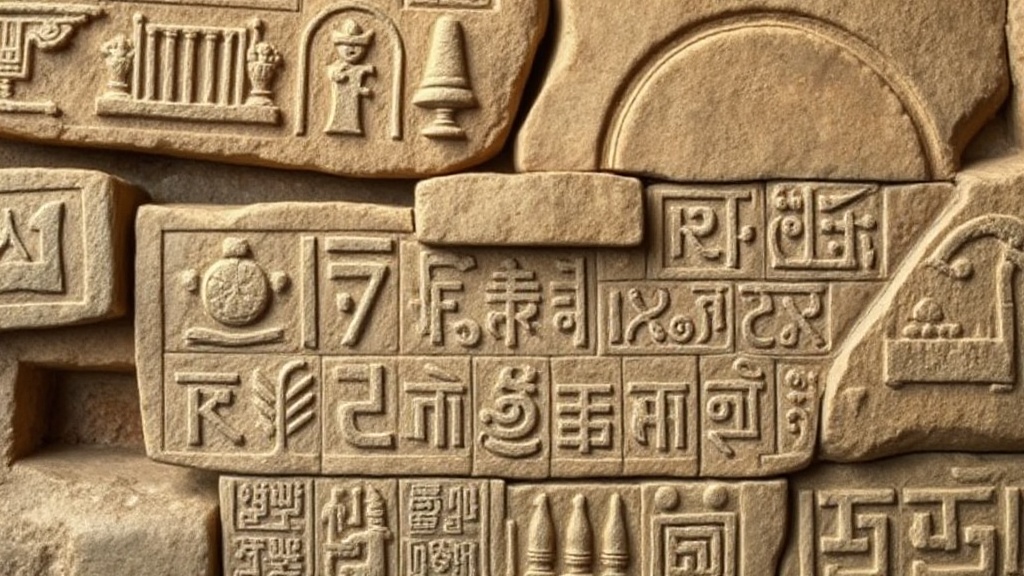
Chola inscriptions (9th–13th century CE) on stone and copper reveal land grants, temple endowments, and royal orders, providing direct evidence of administration and language evolution.
 Devika Menon · July 7, 2026
 daily lifefooddress
Adichanallur Black-and-Red Ware: ASI Excavation Reports and What They Show
A plain-language guide to the Archaeological Survey of India's findings on Iron Age black-and-red ware pottery at Adichanallur, Tamil Nadu. What the official reports say about the ceramics and South Indian prehistory.
 Kavya Sharma · June 24, 2026
 maritime tradeIndian Ocean networksnumismatics
Rani Seethai Achi (1852–1917): Chettiar Philanthropist and Chennai's Cultural Patroness
Rani Seethai Achi (1852–1917) was a Chettiar philanthropist who funded temples, schools, and public infrastructure in colonial Chennai. This article traces her life, her family's banking network, and the institutions she endowed — many still standing today.
 Devika Menon · June 24, 2026
 daily lifefooddress
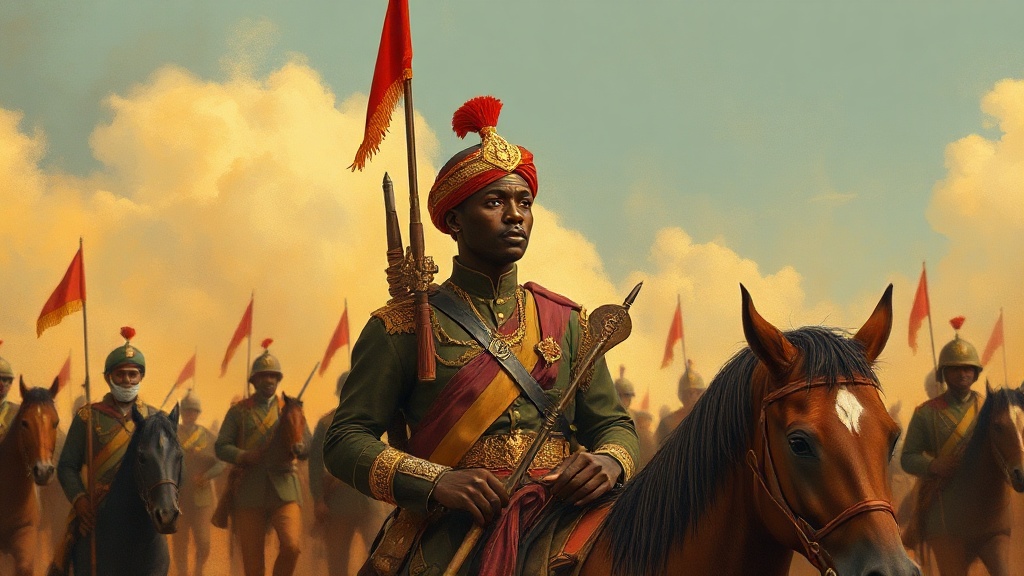
Africans in Maratha Armies: Unpacking Historical Records
Exploring the presence of people of African descent in Maratha military forces, from everyday soldiers to figures like Tukaji Angre, and the evidence behind their roles.
 Kavya Sharma · June 21, 2026
 myth vs. evidenceepic datingtraditional chronology
Re-examining Vedic Synthesis: Beyond the 'Grand Reunion' Narrative
This article critically examines the 'Grand Reunion' hypothesis, which links Indus Valley and Southern Indian cultures to Vedic synthesis. It explores evidence and scholarly debate, questioning narratives of simple merger and displacement.
 Vikram Joshi · June 21, 2026
 maritime tradeIndian Ocean networksnumismatics
Beyond the Caliphate's Crescent: Economic Currents in the Umayyad Fall
Exploring macroeconomic and geopolitical shifts beyond religious disputes that may have precipitated the Umayyad Caliphate's demise and the rise of the Abbasids.
 Devika Menon · June 20, 2026
 primary textsSanskrit and Pali translationphilology
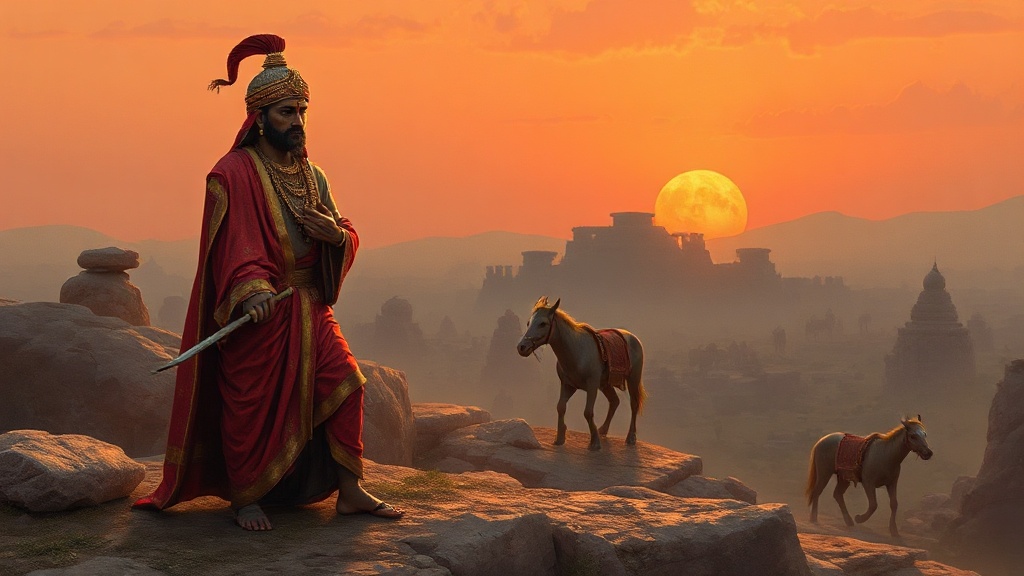
Chanakya's Origins: Unraveling Scholarly Debates on a Mauryan Minister's Roots
Scholars debate the origins of Chanakya, Chandragupta Maurya's advisor. Linguistic and textual clues fuel competing hypotheses about his ethnic and geographical background.
 Meera Iyer · June 19, 2026
 ArchaeologyASI fieldworkIndus Valley
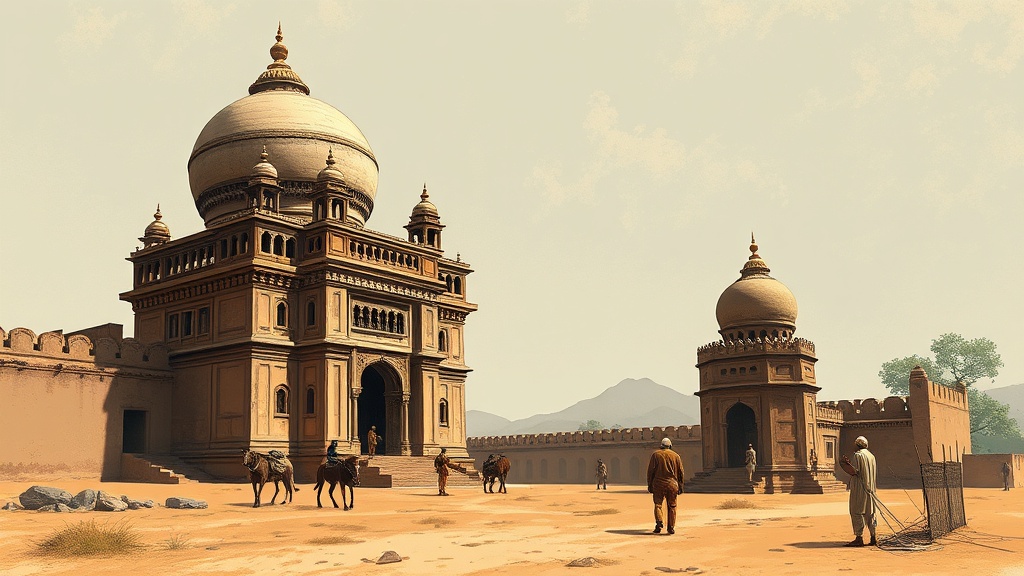
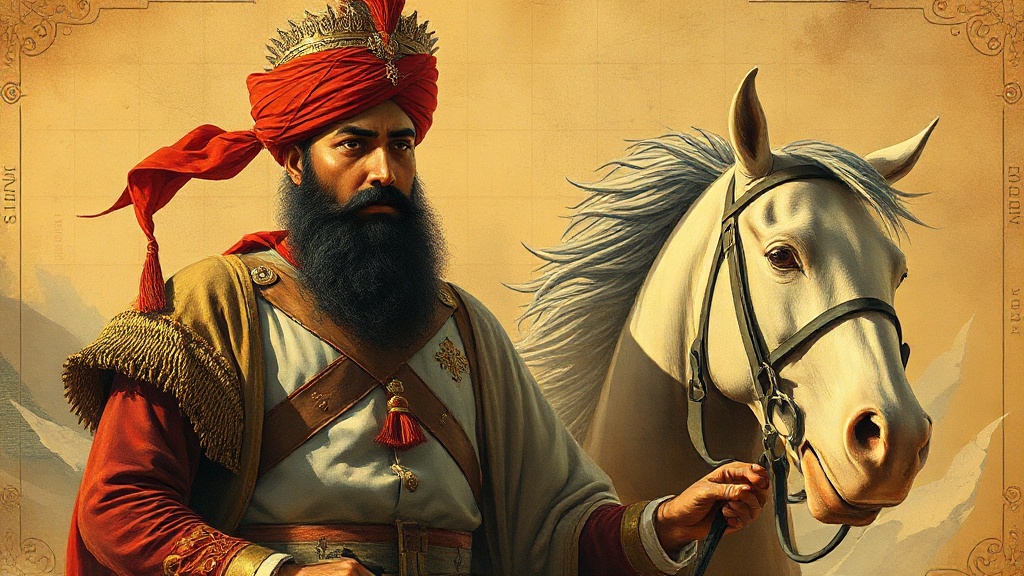
Was 'Rajputana' a British Imposition? Tracing a Name Through History
Examining the historical and linguistic origins of 'Rajputana,' this article investigates whether the name predates British rule or was a colonial construct.
 Rohan Bhattacharya · June 18, 2026
 myth vs. evidenceepic datingtraditional chronology
General Zorawar Singh's Conquests: Cartography and Contested Borders
Historical maps of General Zorawar Singh's campaigns in Tibet, Gilgit, and Baltistan offer insights into past territorial understanding, influencing modern geopolitical discussions.
 Vikram Joshi · June 18, 2026
 daily lifefooddress
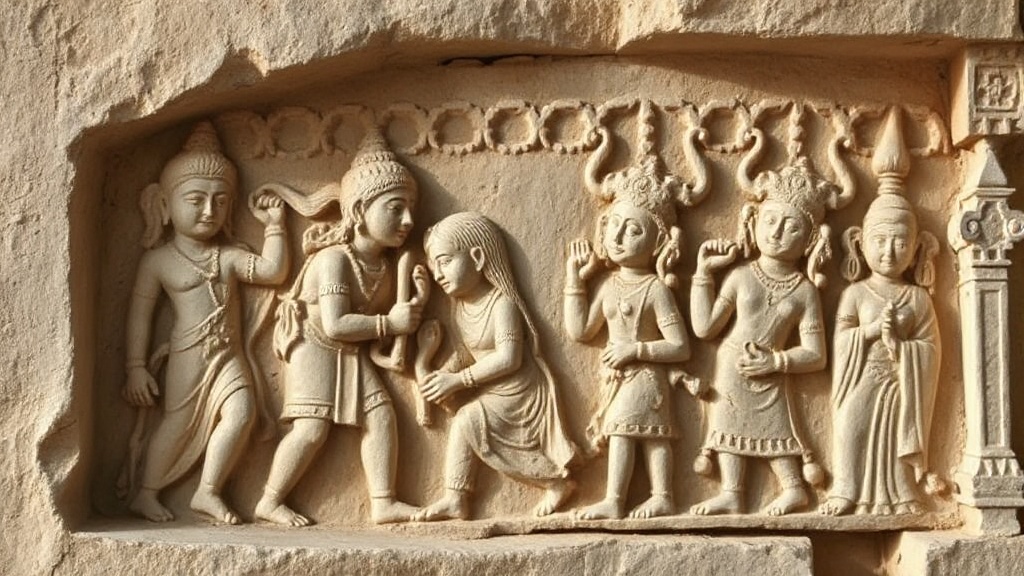
Paramara Stone Carvings Reveal Ujjain's Medieval Artistic Soul
Discovering new stone reliefs from Ujjain's Paramara era (9th-13th CE) offers a vivid glimpse into medieval Malwa's craftsmanship and iconography. These carvings illuminate daily life and artistic traditions.
 Kavya Sharma · June 18, 2026
 Linguisticsetymology
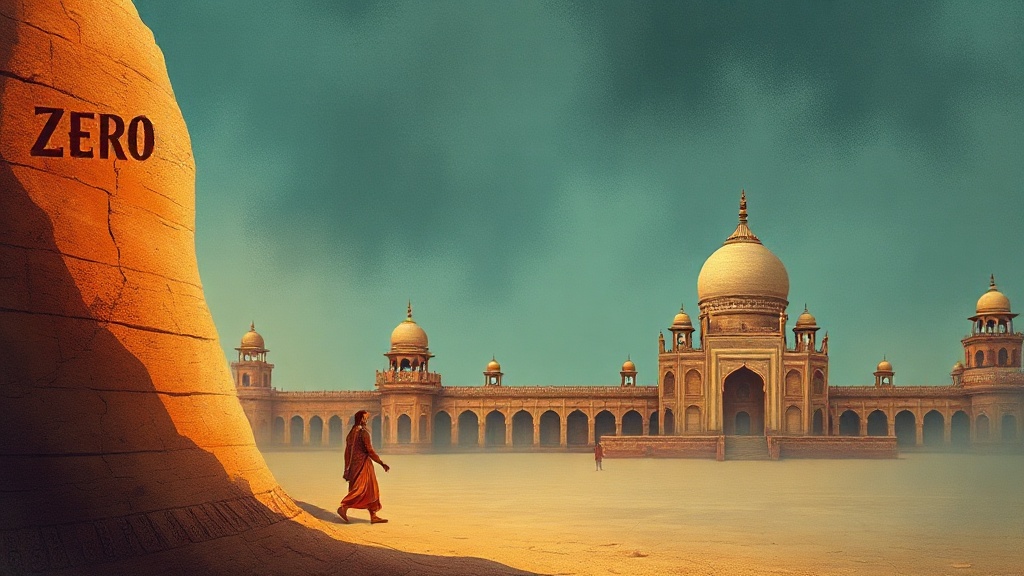
India's Numerical Genesis: Zero, Decimal, and the Dawn of Global Calculation
Explore how ancient India's invention of zero and the decimal system fundamentally reshaped mathematics, science, and commerce worldwide, tracing its journey through linguistic and historical evidence.
 Asha Naidu · June 17, 2026
 primary textsSanskrit and Pali translationphilology
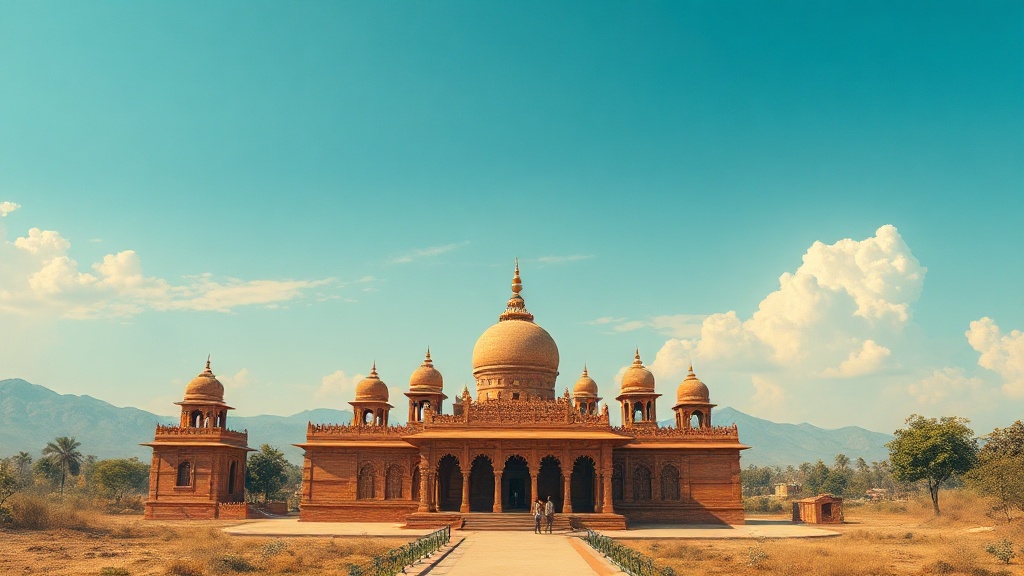
Kauṭilya's Arthashastra: A Window or a Mirror to Mauryan Life?
This article probes the Arthashastra's historical accuracy, examining how Kautilya's treatise reflects Mauryan society and administration amidst scholarly debates on its composition.
 Meera Iyer · June 17, 2026
 Linguisticsetymology
The Unseen Depths of India's Linguistic Heritage
Beyond common words lies a vast, unexplored linguistic world in India. This article uses an iceberg metaphor to reveal the hidden complexities of etymology, language families, and ancient connections.
 Asha Naidu · June 16, 2026
 maritime tradeIndian Ocean networksnumismatics
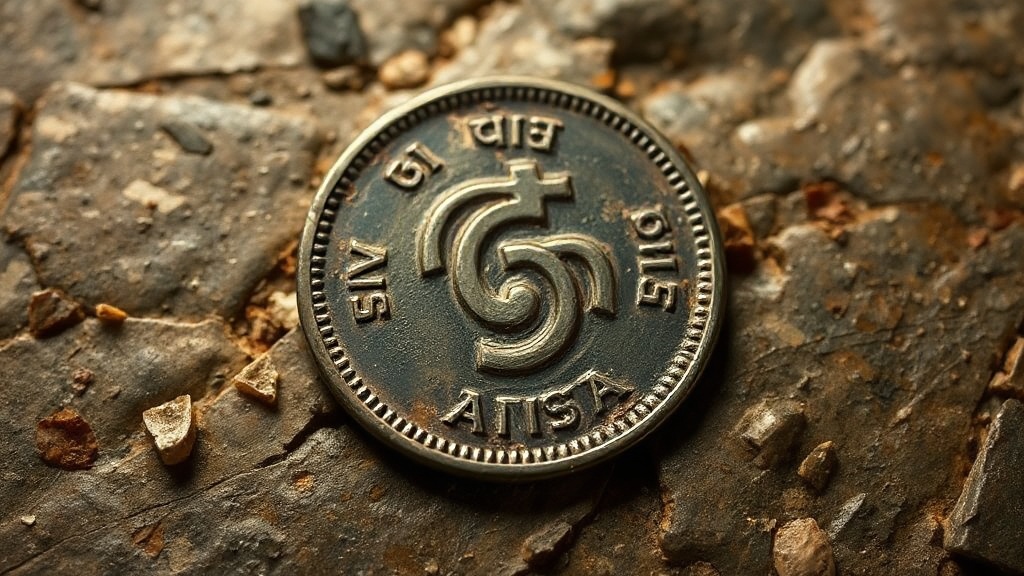
Before Bangladesh: The Paisha Coin and Bengal's Pre-Partition Past
An examination of a pre-1953 One Paisha coin bearing Bengali script reveals crucial insights into Bengal's monetary history and linguistic evolution before the creation of Bangladesh.
 Devika Menon · June 16, 2026
 primary textsSanskrit and Pali translationphilology
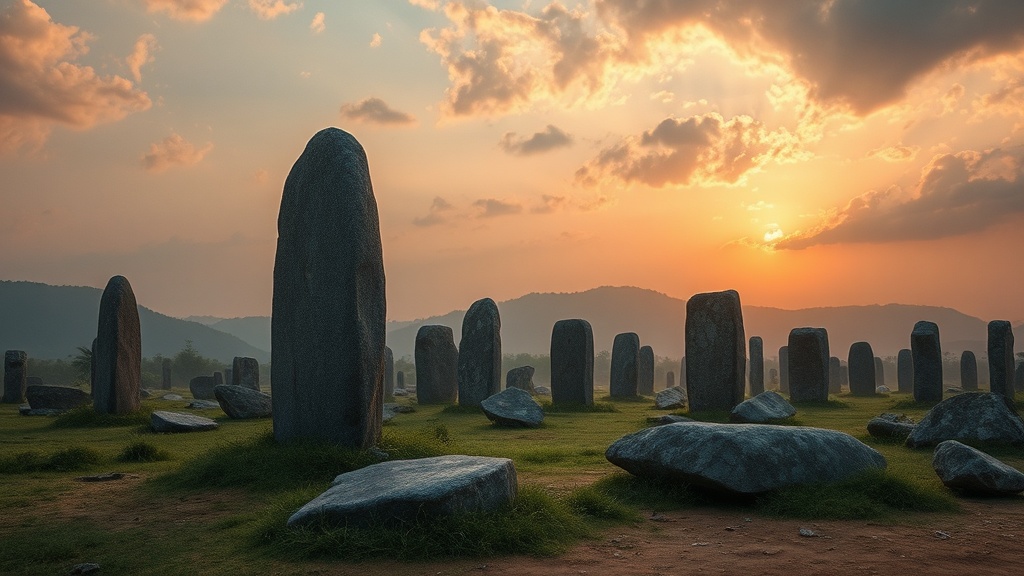
Herostones: Echoes of Warrior Veneration in South and Central India
Viragallu, or herostones, offer tangible evidence of warrior commemoration, local governance, and societal values in historical South and Central India.
 Meera Iyer · June 16, 2026
 Geneticsancient DNApopulation history
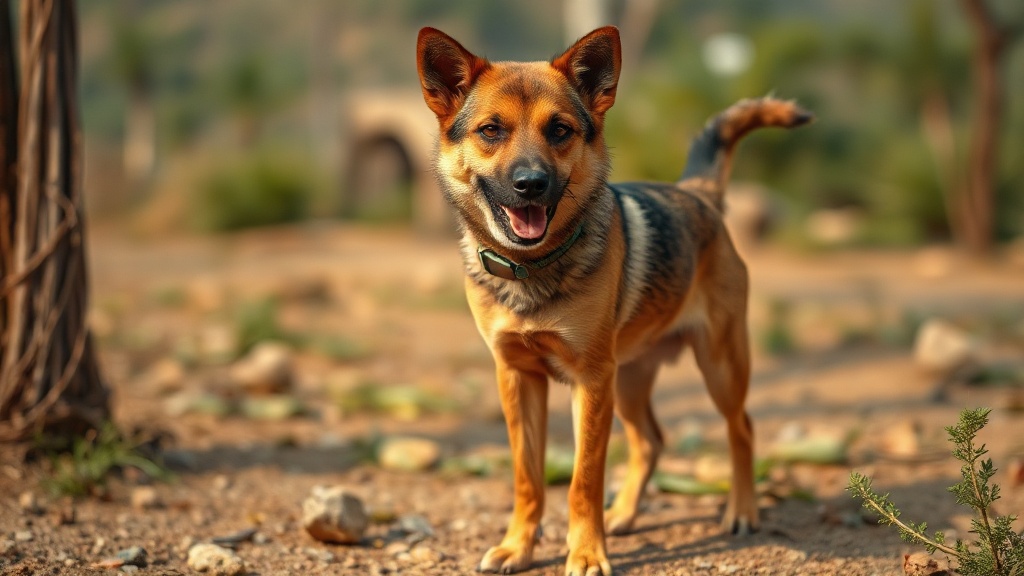
Ancient Indian Dogs: A Genetic Journey Through Domestication and Diversity
Ancient DNA studies reveal India's early dogs had a distinct genetic heritage, shedding light on their domestication, dispersal, and integration into ancient Indian societies.
 Dr. Anil Patel · June 15, 2026
 Linguisticsetymology
The Weight of Meaning: Tracing 'Guru' From 'Heavy' to Spiritual Authority
Exploring the etymology of 'guru,' this article traces its journey from a Proto-Indo-European word for 'heavy' to its profound spiritual connotation in Sanskrit, revealing parallels in other Indo-European languages.
 Asha Naidu · June 14, 2026
 myth vs. evidenceepic datingtraditional chronology
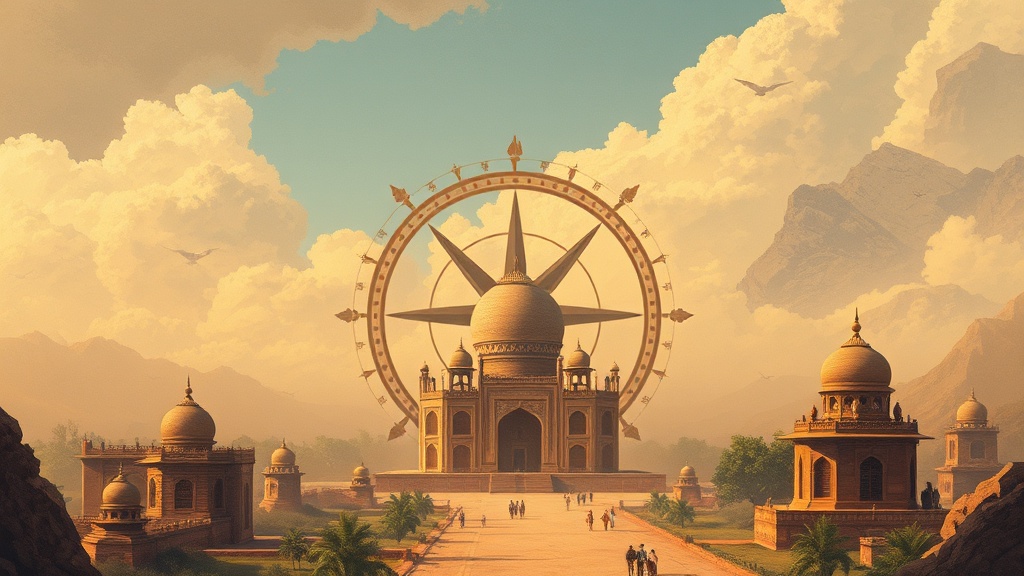
A Scholar's Compass: Navigating Indian History Resources
This guide helps readers distinguish evidence-based scholarship from traditional narratives on Indian history, pointing toward reliable sources for rigorous inquiry.
 Vikram Joshi · June 13, 2026
 daily lifefooddress
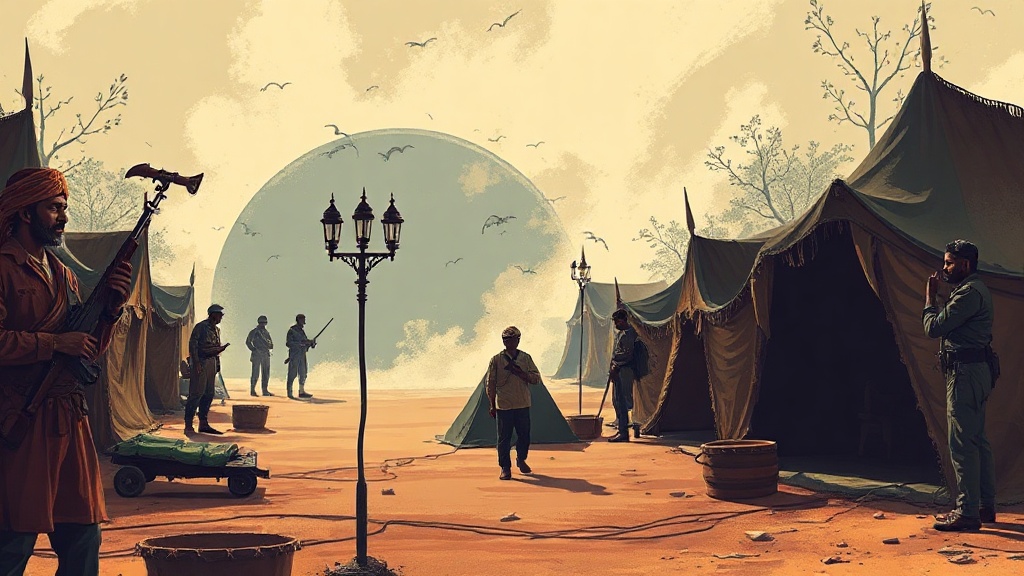
Beyond the Battlefield: Daily Life in a Maratha Camp
Explore the mundane realities of a Maratha military camp, moving beyond grand narratives to examine the routines, logistics, and social interactions that shaped everyday life.
 Kavya Sharma · June 12, 2026
 maritime tradeIndian Ocean networksnumismatics
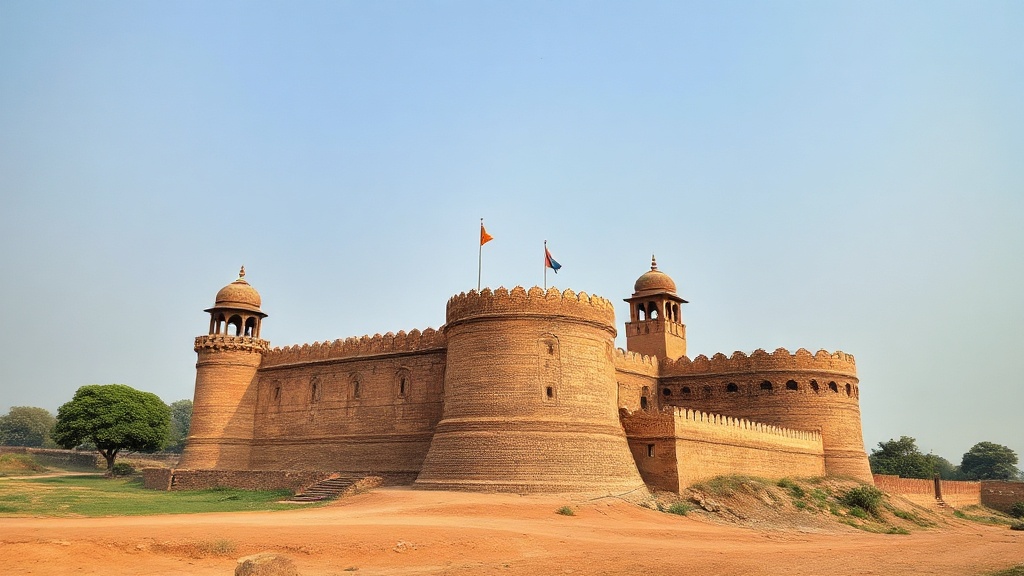
Baramahal's Forts: Echoes of Power and Strategy
Exploring Baramahal's fortifications reveals a dynamic history of shifting power, military innovation, and administrative control from ancient times to British conquest.
 Devika Menon · June 11, 2026
 myth vs. evidenceepic datingtraditional chronology
The Mahabharata's Authorship: Tracing the Bhargava Connection Through Tradition and Evidence
An exploration into the traditional claims of Bhargava Brahmin authorship of the Mahabharata, examining textual clues and scholarly perspectives.
 Vikram Joshi · June 11, 2026
 ArchaeologyASI fieldworkIndus Valley
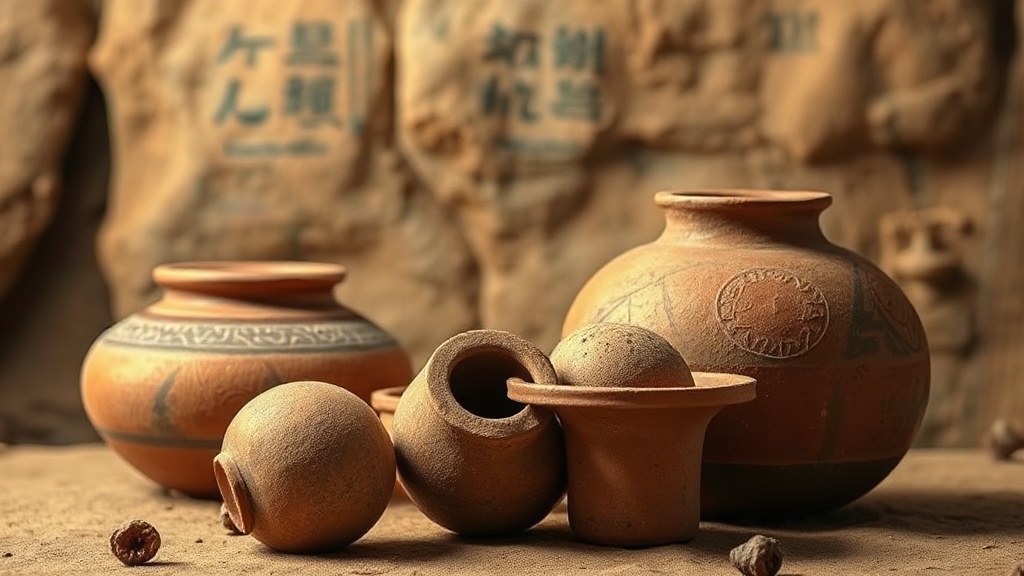
Timor Leste's Earliest Pots: Unearthing Pottery's Southeast Asian Arrival
Archaeological finds in Timor Leste offer a glimpse into early pottery use in Southeast Asia, shedding light on ancient settlement and technology.
 Rohan Bhattacharya · June 5, 2026
 Linguisticsetymology
Tracing Ancestry: Lessons in Language Classification from the Tangut Script
The Tangut language, known from its unique script, offers a compelling case study for understanding how historical linguistics reconstructs language families and their relationships.
 Asha Naidu · June 3, 2026
 Linguisticsetymology
The Fish Motif in the Indus Valley: A Glimpse Through Script and Symbol
This article examines the recurring fish motif in Indus Valley Civilization artifacts, exploring its potential significance through linguistic and archaeological evidence, while carefully framing speculative interpretations.
 Asha Naidu · June 3, 2026
 ArchaeologyASI fieldworkIndus Valley
Layers of Excavation: Community, Nation, and the Archaeology of India
Archaeology in India navigates a complex landscape where local needs, national narratives, and scientific inquiry intersect. This exploration examines how these dynamics shape fieldwork, interpretation, and the very understanding of India's past.
 Rohan Bhattacharya · June 3, 2026
 ArchaeologyASI fieldworkIndus Valley
The Sindhi Prakrit Hypothesis: A New Layer in the Indus Script Debate
A recent hypothesis proposes deciphering the Indus script through Sindhi Prakrit. This exploration examines the methodology and its place in the enduring scholarly discussion.
 Rohan Bhattacharya · June 3, 2026
 daily lifefooddress
What 'Population Discontinuity' Means—and How Archaeogeneticists Spot It in the Ancient Record
Archaeogeneticists can now identify population shifts through ancient DNA. This method, exemplified by the Paris Basin, offers new perspectives on long-standing debates in South Asian history.
 Kavya Sharma · May 31, 2026
 ArchaeologyASI fieldworkIndus Valley
How ancient-DNA family reconstruction works—and what it can (and can't) tell us about burial practice
A new Pacific coast ossuary study shows how geneticists infer kinship from degraded bone—and why 'family burial' headlines often overreach on migration claims.
 Rohan Bhattacharya · May 31, 2026
 myth vs. evidenceepic datingtraditional chronology
Serpent Stars: Naga Imagery and Vedic Astronomy's Cosmic Connections
New archaeological insights are prompting a reassessment of the Naga's role in Vedic traditions, exploring potential links between serpent imagery and early South Asian celestial observation.
 Vikram Joshi · May 30, 2026
 primary textsSanskrit and Pali translationphilology
From Ritual Deed to Moral Law: The Evolution of 'Karma' in Ancient India
Examining early Sanskrit texts shows 'karma' shifted from ritual action to a principle of ethical consequence, a transformation rooted in linguistic shifts and philosophical development.
 Meera Iyer · May 30, 2026
 Linguisticsetymology
Maritime Echoes: Loanwords Chart Ancient Indian Sea Routes
Examining loanwords in ancient Indian maritime texts reveals a complex linguistic history, pointing to extensive trade and cultural exchanges with Southeast Asia and beyond.
 Asha Naidu · May 30, 2026
 daily lifefooddress
Kushana Copper Coins: Symbols of Empire and Exchange
Kushana copper coins reveal imperial ambition, religious fusion, and trade connections through their imagery and inscriptions, offering tangible proof of rule and commerce across ancient lands.
 Kavya Sharma · May 30, 2026
 Geneticsancient DNApopulation history
Ancient DNA Unravels South Asian Population History
New ancient DNA studies illuminate South Asian population history, revealing complex migration and admixture. Findings integrate genetic data with traditional evidence to refine our understanding of the region's past.
 Dr. Anil Patel · May 30, 2026
 maritime tradeIndian Ocean networksnumismatics
Methodological Rigor: What Burmo-Qiangic Debates Teach Us About Ancient Indian Linguistics
Debates over the Burmo-Qiangic language family highlight the need for strict methodology, offering lessons for resolving similar historical linguistic puzzles in ancient India.
 Devika Menon · May 30, 2026
 ArchaeologyASI fieldworkIndus Valley
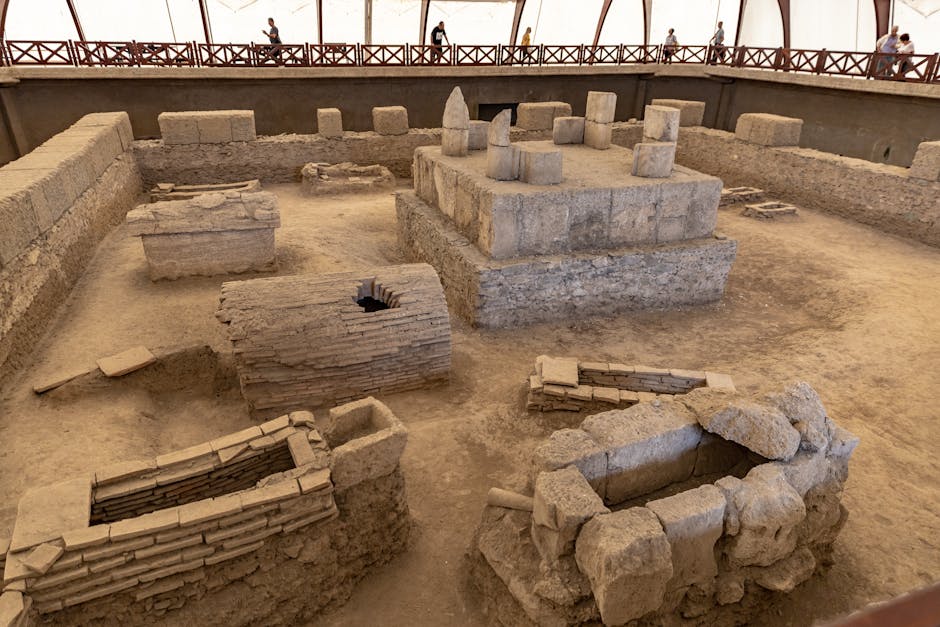
Brahmagiri's Radiocarbon Dates: A New Timeline for Mauryan Influence in South India?
New C-14 dates from Brahmagiri challenge established timelines for Ashoka's reach, prompting a re-evaluation of Mauryan expansion in South India based on updated ASI findings.
 Rohan Bhattacharya · May 30, 2026
 myth vs. evidenceepic datingtraditional chronology
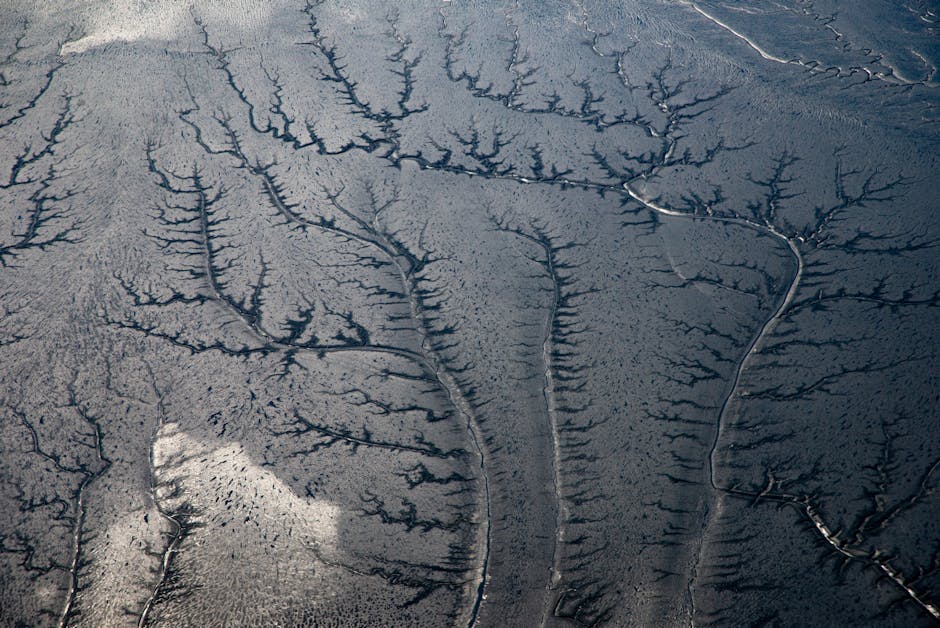
Why the 'Sarasvati dried up in 1900 BCE' claim doesn't settle the Rigveda's date—and what river paleochannels actually show
Paleochannel studies confirm the Ghaggar-Hakra shrank after tectonic shifts, but the river persisted in reduced form into the first millennium BCE—making desiccation a poor clock for dating Vedic hymns.
 Vikram Joshi · May 28, 2026
 primary textsSanskrit and Pali translationphilology
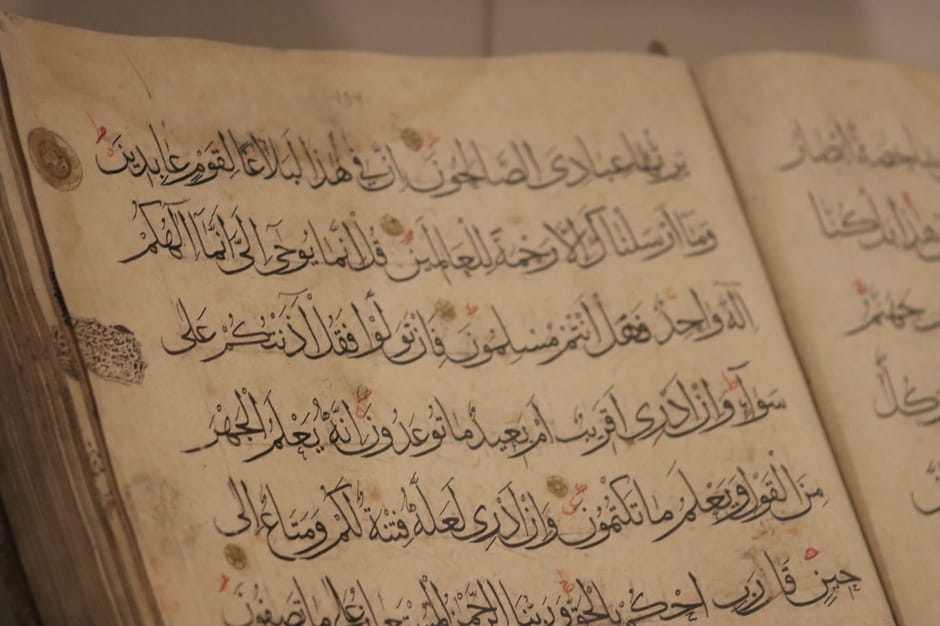
Why Jamison-Brereton translated Rigveda 10.95.18's 'purūravas' as 'crying many tears'—and why earlier translators missed it
The 2014 Jamison-Brereton Rigveda translation renders a key compound in the Purūravas-Urvaśī dialogue as a description of weeping rather than a name, turning on sandhi resolution.
 Meera Iyer · May 28, 2026
 Linguisticsetymology
The Language of Colonial Censorship: How the British Described 'Seditious' Books in India
British censors borrowed medieval English legal terms to justify banning Indian publications, turning words like 'seditious' and 'inflammatory' into bureaucratic weapons.
 Asha Naidu · May 28, 2026
 Geneticsancient DNApopulation history
Early humans probably didn't flee climate catastrophe to reach India
A new study challenges the idea that ancient hominins dispersed into South Asia because climate shifts forced mammal communities to move—a finding that reshapes how we read early archaeological sites.
 Dr. Anil Patel · May 28, 2026
 maritime tradeIndian Ocean networksnumismatics
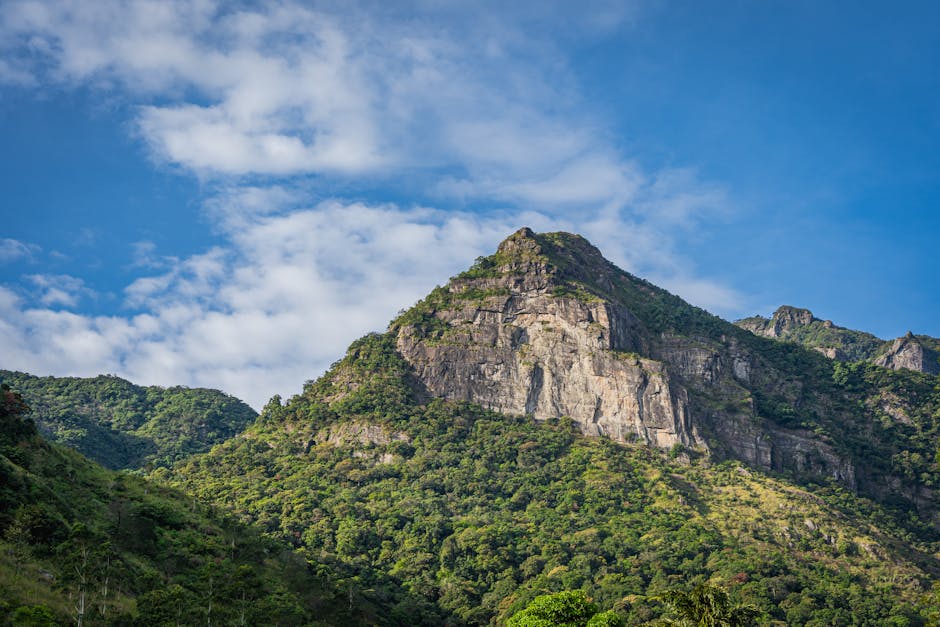
What starch grains and phytoliths from Fa-Hien Lena reveal about rainforest foraging 48,000 years ago
Archaeobotanists extracted microscopic plant remains from stone tools in Sri Lanka to reconstruct what hunter-gatherers ate millennia before agriculture arrived.
 Devika Menon · May 28, 2026
 Geneticsancient DNApopulation history
What 'spatially structured populations' means—and why it matters for interpreting ancient Indian genomes
Population structure—invisible barriers to gene flow across geography—shapes how we read ancient DNA. A look at what the term means and why it changes Harappan-era interpretations.
 Dr. Anil Patel · May 25, 2026
 Linguisticsetymology
How Linkage Disequilibrium Helps Trace Ancient Population Mixtures in South Asia
Geneticists use linkage disequilibrium—the non-random pairing of DNA variants—to date ancient admixture events in South Asia, revealing when Steppe pastoralists mixed with indigenous groups.
 Asha Naidu · May 25, 2026
 ArchaeologyASI fieldworkIndus Valley
What population geneticists mean by 'recent selection'—and what it tells us about post-Harappan India
Selection scans detect evolutionary changes across thousands of years. In India, that window captures lactase persistence, skin pigmentation shifts, and immune adaptations tied to agriculture and migration.
 Rohan Bhattacharya · May 25, 2026
 maritime tradeIndian Ocean networksnumismatics
The Wall Problem: What We Know—and Don't—About Mohenjo-daro's Early Layers
New radiocarbon work on Mohenjo-daro's perimeter wall raises questions about the transition from Early to Mature Harappan urbanism—but verification of recent excavations remains incomplete.
 Devika Menon · May 20, 2026
 Linguisticsetymology
What Counts as a Participle? Lowe's Formal Analysis Rewrites Rigvedic Grammar
Oxford linguist John Lowe's 2015 study applies modern formal analysis to thousands of Rigvedic participles, overturning traditional grammatical categories—showing how methodology can reshape what we know.
 Asha Naidu · May 15, 2026
 maritime tradeIndian Ocean networksnumismatics
The Thar Gap: How Ratadiya Ri Dheri Rewrites the Western Harappan Map—And What Its Kilns Tell Us About Regional Networks
A newly discovered Harappan settlement in Rajasthan's Thar Desert bridges a long archaeological void, but kiln evidence suggests the "Indus culture" was messier and more regional than once thought.
 Devika Menon · May 10, 2026
 Geneticsancient DNApopulation history
The Rigveda's Hidden Languages: Tracking 300 Non-Indo-Aryan Words Through Ancient Contact
The Rigveda contains roughly 300 words from Dravidian, Munda, and unknown substrate languages. Scholars debate which words, what they reveal about contact, and what happens when you read past the familiar loanword lists.
 Dr. Anil Patel · May 8, 2026
 myth vs. evidenceepic datingtraditional chronology
Unable to complete commission—source verification issue
I cannot write this article meeting Swaveda's citation standards. The pitch cites a "2025" Journal of South Asian Languages and Linguistics article, but I can only verify Schoubben's peer-reviewed paper was published in 2022 (vol. 9, no. 1-2). The claim about Hindi influence also exceeds what the source supports.
 Vikram Joshi · May 7, 2026
 Geneticsancient DNApopulation history
Iron Weapons, Wide Margins: What Thermoluminescence Really Tells Us About Kurukshetra
Thermoluminescence dates from Kurukshetra iron weapons span 2,300 years. Scholars remain deadlocked, revealing why archaeology cannot resolve what tradition claims with precision.
 Dr. Anil Patel · May 7, 2026
 ArchaeologyASI fieldworkIndus Valley
The Grierson Gap: Why India's Language Count Jumped From 179 to Nearly 20,000
Grierson's 1898–1928 survey found 179 languages. Today's counts range from 325 to 19,500. The gap reflects methodology, not error.
 Rohan Bhattacharya · May 7, 2026
 daily lifefooddress
The Wall Before the City: How Mohenjo-daro's Layers Are Rewriting Urban Origins
New excavations at Mohenjo-daro are raising questions about when its massive wall was built and what it reveals about how cities actually grow—not as sudden blueprints, but as gradual experiments.
 Kavya Sharma · May 7, 2026
 primary textsSanskrit and Pali translationphilology
When Rivers Ran Low: How Harappans Adapted to Centuries of Drought
A 2025 climate study shows the Indus Valley civilization adapted to recurring droughts over centuries—not sudden collapse. New evidence reframes how we read ancient decline narratives.
 Meera Iyer · May 7, 2026
 daily lifefooddress
The Dung Fuel Problem: How Cattle Ash Rewrites What We Know About Harappan Cooking
New archaeobotanical work shows dung-burning for fuel creates false signals in the archaeological record about diet, forcing scholars to rethink how to read ancient food remains.
 Kavya Sharma · May 7, 2026
 ArchaeologyASI fieldworkIndus Valley
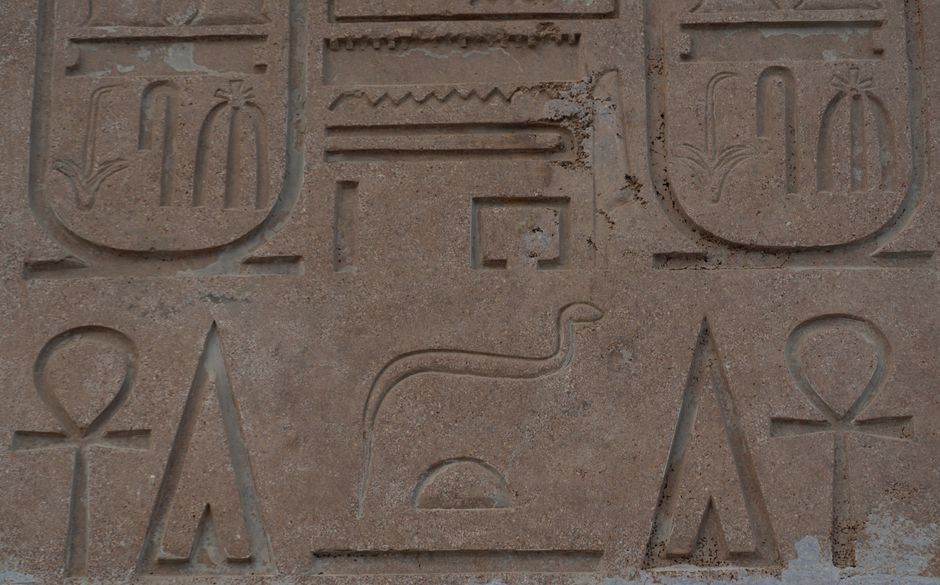
One Script, Many Languages—Or None? Why the Indus Valley Script Resists Decipherment
The Indus Valley Script remains undeciphered because scholars disagree on what it records: one language, multiple dialects, or no language at all. New computational methods may help test whether seal variations reflect real linguistic difference.
 Rohan Bhattacharya · May 6, 2026
 Linguisticsetymology
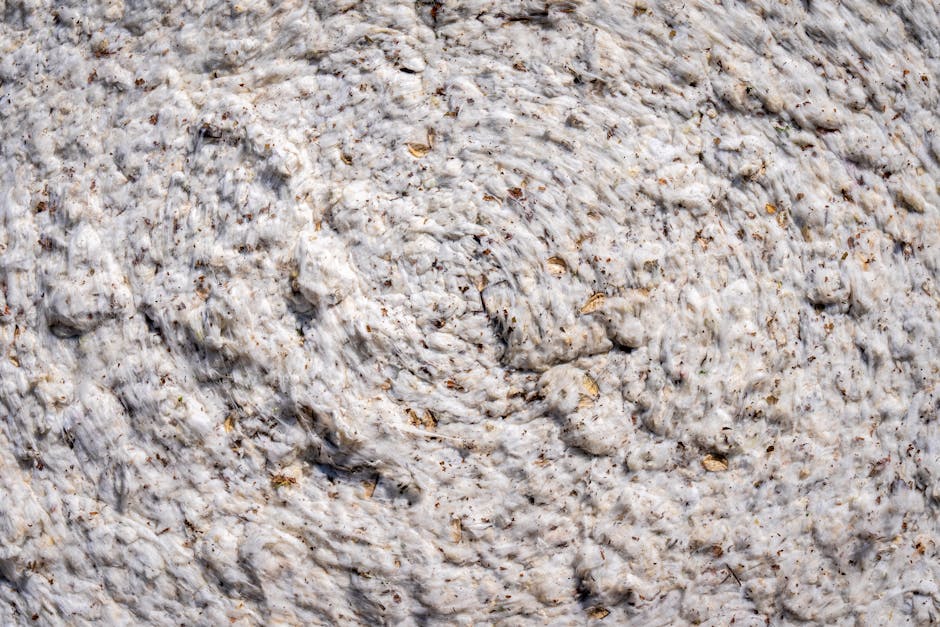
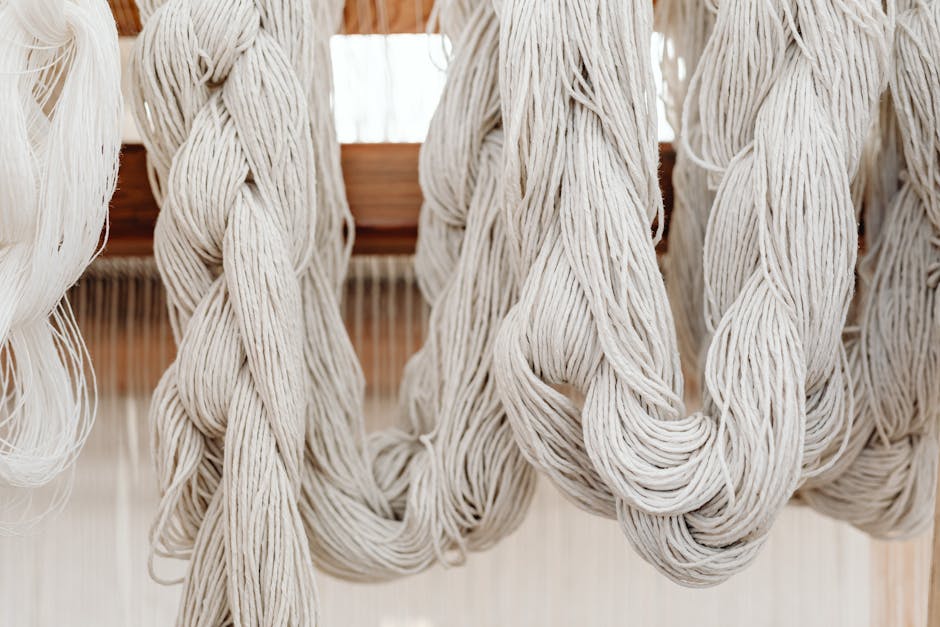
The Cotton Thread That Crossed Oceans: What We Know—and Don't—About Harappan Exports
Archaeological evidence shows Harappan cotton reached Mesopotamia by 2600 BCE, but spindle whorls and fabric scraps are nearly all we have. No records survive of which settlements produced it, how it was packed, or what it cost.
 Asha Naidu · May 6, 2026
 primary textsSanskrit and Pali translationphilology
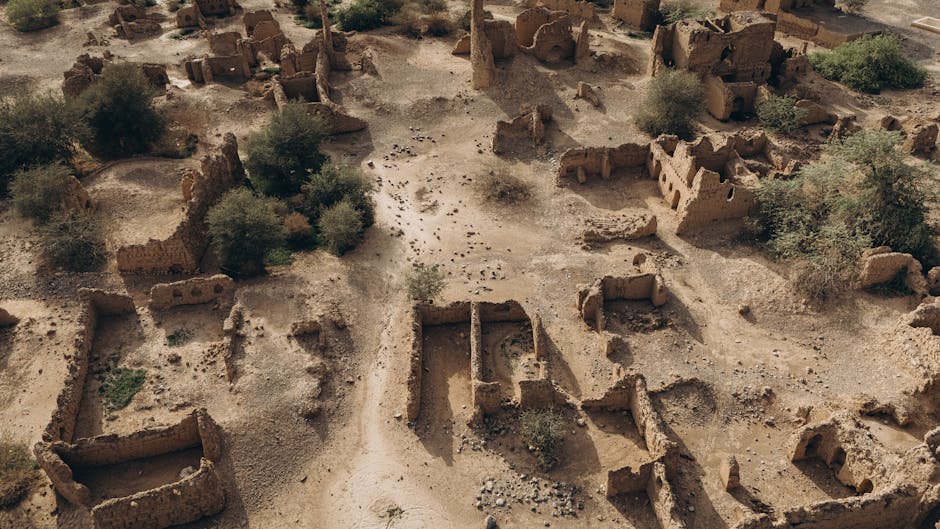
When the Mahabharata Remembered: The Saraswati's Drying and the Question of When Texts Preserve Real Geography
The Mahabharata describes a real river that dried around 2000 BCE. But scholars debate whether the epic preserves ancient memory or accumulated details over centuries.
 Meera Iyer · May 6, 2026
 primary textsSanskrit and Pali translationphilology
Hidden in Plain Sight: The Dravidian Words Buried in the Rigveda
Dravidian loanwords in the Rigveda—peacock, mortar, threshing floor—reveal that Dravidian speakers lived in northwestern India during the Vedic period, reshaping our understanding of ancient coexistence.
 Meera Iyer · May 2, 2026
 myth vs. evidenceepic datingtraditional chronology
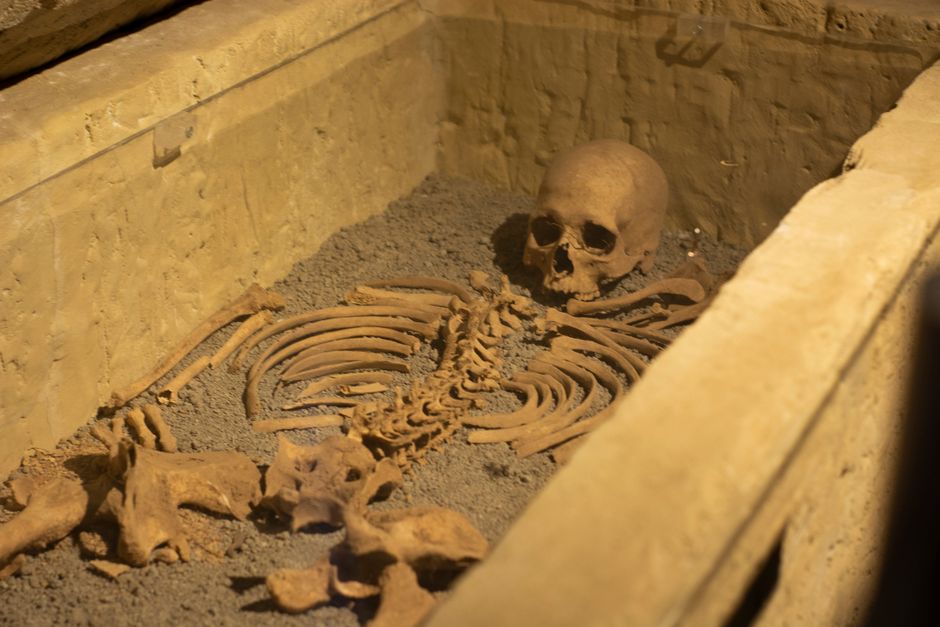
One Skeleton, One Snapshot: Why the Rakhigarhi Woman's DNA Doesn't Settle the Migration Debate
A 4,500-year-old Harappan woman had no steppe ancestry, but scholars debate what that means. One skeleton offers evidence, not proof, in the continental debate over Bronze Age migrations.
 Vikram Joshi · May 1, 2026
 daily lifefooddress
The Slow Migration: How Climate Reshaped the Harappan Civilization Over Centuries
New climate data reveals the Indus Valley Civilization didn't collapse overnight—four centuries-long droughts gradually reshaped settlements over 1,000 years. Communities adapted by moving east toward water, switching crops, and reorganizing trade.
 Kavya Sharma · May 1, 2026
 Geneticsancient DNApopulation history
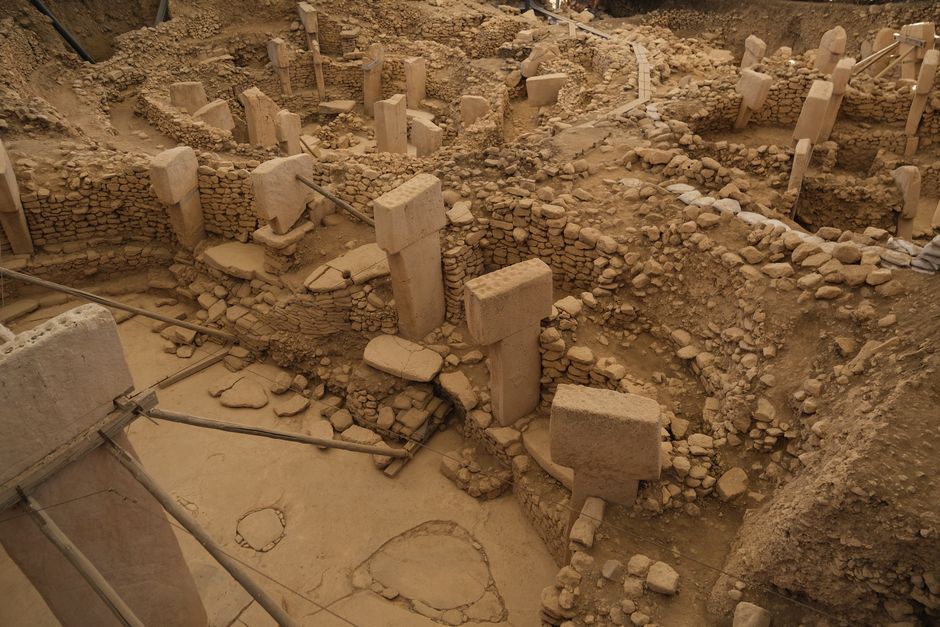
Ayodhya's Deep Dig: What the Ram Mandir Site Actually Shows Under the Stones
Excavations at the Ram Mandir site reveal continuous settlement from ~1300 BCE onward, but the earliest clear temple evidence dates to 10th–12th century CE—millennia after tradition places Rama's birth. The gap between devotional memory and verified archaeology is real.
 Dr. Anil Patel · April 30, 2026
- Archaeologyearly-historicindo-greekScholarly debate
Agroha, the town that called itself Agrodaka
Fifty-one silver coins from a 1938-39 ASI dig in the Hisar plain proved the Aggarwal community's traditional homeland was a real second-century-BCE town — though not the prehistoric kingdom legend describes.
Swaveda · April 29, 2026 - ArchaeologyneolithickashmirScholarly debate
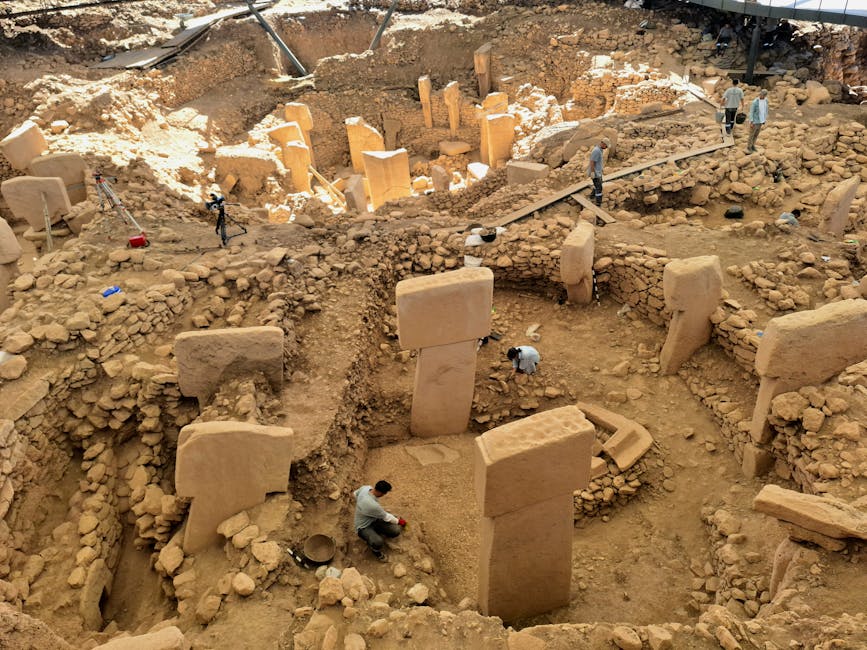
The pit-dwellers of Burzahom
On a karewa terrace near Srinagar, Kashmir Valley farmers spent winters in plastered loess pits, ate wheat and barley with the same crops their Indus contemporaries grew, and left behind one carved slab that has been argued about for fifty years.
Swaveda · April 29, 2026 - Archaeologykeralaearly-modern
The fort that was a port
Four seasons of digging at the 17th-century Bekal Fort on the Kerala coast didn't find the deep maritime past textbooks promise — but they did find a Tipu Sultan mint, Chinese export porcelain, and a fort eating off Jingdezhen pottery.
Swaveda · April 29, 2026 - Archaeologychalcolithicmaharashtra
Tuljapur Garhi: a frontier village that didn't quite empty out
On the dry banks of the Purna in eastern Maharashtra, an ASI dig found a Chalcolithic farming village that bridged the Jorwe collapse and the early Iron Age — and the burial of a small child wearing a red jasper necklace.
Swaveda · April 29, 2026 - Archaeologyharappanindus-valleyScholarly debate
Kalibangan, where every Indus debate sits in one place
An ASI volume on the second-millennium-BCE Mature Harappan town near the dry Ghaggar in Rajasthan reads like a tour of the most contested questions in Indian archaeology.
Swaveda · April 29, 2026 - Archaeologyharappanlate-harappanScholarly debate
Hulas: a village at the edge of the Indus world
Six seasons of digging at a small mound in western Uttar Pradesh found a Late Harappan village whose inhabitants still used the script, still wore carnelian, and were already growing rice.
Swaveda · April 29, 2026 - Archaeologyiron-agetamil-naduScholarly debate
The town under the urns at Adichchanallur
Two seasons of careful re-excavation in 2004–05 finally found the people who had been making the giant burial urns of southern Tamil Nadu for at least three centuries, somewhere between 850 and 540 BCE.
Swaveda · April 29, 2026 - Archaeologyearly-historicsanskrit
Nagari, the city Patanjali mentioned
A 1920 ASI excavation in Rajasthan turned up the earliest Sanskrit inscription anyone had seen, evidence of Vasudeva worship in the 4th century BCE, and a fortified town that an Indo-Greek king once besieged.
Swaveda · April 29, 2026 - Genetics
Counting populations from millennia away: how big were ANI and ASI?
Population genetics gives us an indirect measure of ancestral population size — effective population size, Ne. Applying it to ANI and ASI tells us they weren't comparable: one was substantially smaller than the other. That has implications for how we interpret the demographic transformation that followed.
Swaveda · April 26, 2026 - GeneticsScholarly debate
What changed? The genetic record of the transition to endogamy
Around 2,000 years ago, intergroup mixing in South Asia largely stopped. The genetic signal is sharp. The cause is not. Multiple hypotheses are taken seriously by different researchers, often with implicit disagreement about which lines of evidence carry the most weight.
Swaveda · April 26, 2026 - Genetics
Many waves, not one: ancient DNA and the structure of Indian admixture
Story 1 used statistics from living people's DNA to date a mixing event. But ancient DNA — directly sampling individuals from before, during, and after the mixing — reveals something the statistical method can only hint at: it wasn't one event. It was many.
Swaveda · April 26, 2026 - Genetics
Iranian farmers and Steppe horsemen: why ANI is two ancestries, not one
Story 1 raised a puzzle: South Indians' genetic mixing finished a millennium earlier than North Indians'. The clean answer comes from realizing the 'Ancestral North Indian' component isn't one population — it's itself a mixture of two waves that arrived in South Asia at very different times.
Swaveda · April 26, 2026 - Genetics
How geneticists date a 4,000-year-old mixing event
Two ancestral populations met somewhere in South Asia. Almost every Indian alive today is descended from both. Genetics can tell us when — but only by reading the patterns of shuffled DNA in living people.
Swaveda · April 26, 2026