The Pit-Silos of Bhirrana: What Early Harappan Grain Storage Reveals About the Origins of Surplus
Archaeological excavations at Bhirrana, Haryana, reveal plaster-lined pit-silos from the Hakra Ware phase, pushing back the origins of organized agricultural surplus in the Sarasvati-Ghaggar valley.

Rohan Bhattacharya for SwavedaSeptember 19, 2026
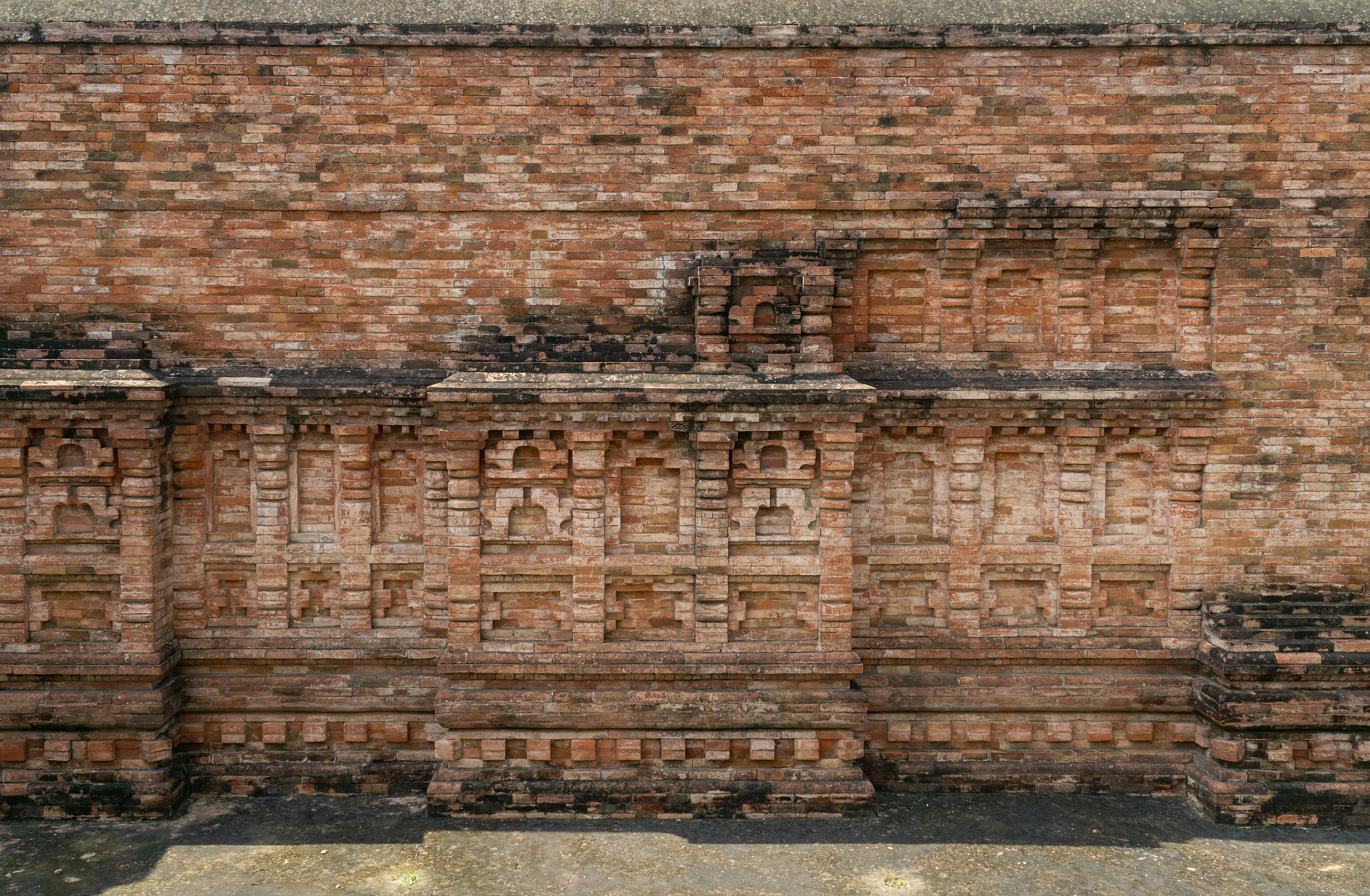
The search for the origins of the Indus Valley Civilization often focuses on the dramatic. Popular attention gravitates toward the grid-planned streets of Mohenjo-daro or the massive stone reservoirs of Dholavira. Yet, the critical transition from subsistence farming to a complex society with an organized agricultural surplus occurred much earlier, buried in the dry soil of the plains of Haryana.
At the site of Bhirrana, located on the left bank of the seasonal Ghaggar river in Fatehabad district, the earliest phases of settlement offer a different kind of monument. These are not grand brick granaries, but circular, plaster-lined pits dug directly into the natural soil.
Excavations conducted by the Archaeological Survey of India (ASI) have brought these features to light. A close reading of the site's micro-stratigraphy—the analysis of distinct, localized soil layers—suggests that organized grain storage was not a sudden administrative invention of the mature urban period. Instead, it was a gradual development that began during the Hakra Ware phase, the earliest cultural level at the site.
Stratigraphy of the Hakra Ware Phase
In Indian archaeology, the sequence of early settlements in the Sarasvati-Ghaggar valley is frequently debated in the pages of journals like Puratattva and Man and Environment. Bhirrana has become a central point in these discussions because of its deep, unbroken stratigraphic sequence. The ASI excavations, led by LS Rao, divided the site's occupation into multi-tiered cultural phases, beginning with Period IA, termed the Hakra Ware culture.
During this initial occupational phase, residents did not live in mud-brick houses. The stratigraphy reveals a series of subterranean dwelling pits dug into the natural yellow alluvial soil. These pits were circular or oval, with diameters ranging from two to three meters. The walls of these dwellings were plastered with a thick coat of alluvial clay mixed with fine sand and organic chaff (husk) to provide structural integrity and insulation.
Alongside these dwelling pits, excavators exposed smaller, deeper circular pits. These smaller pits lacked the hearths (fireplaces) and domestic debris associated with living spaces. Instead, their floors and sides were lined with a distinct, hardened layer of clay plaster. In the specialized vocabulary of settlement archaeology, these are recognized as pit-silos—subterranean structures designed specifically for the long-term storage of agricultural produce, protecting grain from moisture, insects, and rodents.
The Pit-Silo and the Management of Surplus
The presence of these plaster-lined storage pits in the Hakra Ware phase challenges the traditional view that organized surplus management was exclusively a Mature Harappan administrative invention. Evidence shows that even during this semi-nomadic or early sedentary phase, the community at Bhirrana was producing more grain than was required for immediate consumption.
Storing grain underground requires careful environmental control. Unlined pits allow moisture to seep in from the surrounding soil, leading to fungal growth and the spoilage of the crop. The plaster lining found in the Bhirrana pit-silos represents a deliberate technological choice. By sealing the earth with a mixture of clay and temper (stabilizing material), the early inhabitants created a low-oxygen environment. When grain is sealed in such a space, the respiration of the seeds and any present insects consumes the remaining oxygen and releases carbon dioxide. This natural preservation process stops decay and extends the shelf life of the harvest.
This method of storage suggests a level of planning that goes beyond simple day-to-day survival. A community that invests the labor to dig, plaster, and maintain subterranean silos is a community anticipating future dry seasons, bad harvests, or trading opportunities. It represents the baseline of economic complexity that preceded the rise of the Indus cities.
⚖ Scholarly debate: Chronology and Geography
The archaeological discoveries at Bhirrana are at the center of two major scientific controversies. Scholars debate both the age of the site and the ancient identity of the river on which it sits.
The first debate concerns the chronological placement of Bhirrana's earliest levels. Traditional chronologies in South Asian archaeology placed the Hakra Ware phase in the fourth millennium BCE. However, radiocarbon dates obtained from charcoal samples at Bhirrana and published in Indian journals have proposed significantly older timelines, with some dates pointing to the fifth or even sixth millennium BCE.
Many archaeologists urge caution regarding these early dates. In the study of stratigraphy, individual charcoal samples can easily migrate downward through animal burrowing or agricultural activity, a process known as bioturbation (soil mixing by living organisms). A single anomalous radiocarbon date does not rewrite regional history.
The second debate involves the geographical setting of the site. While tradition holds that the seasonal Ghaggar-Hakra river bed is the course of the lost Sarasvati River mentioned in Vedic texts, modern geological and archaeological science presents a more complex picture. Many geologists and archaeologists argue that by the time of the Harappan civilization, the Ghaggar was already a seasonal, rain-fed river rather than a glacier-fed Himalayan giant. They suggest that linking archaeological layers directly to literary traditions lacks physical proof.
What is undisputed, however, is the relative sequence. The pit-silos of the Hakra Ware phase sit directly beneath the mud-brick structures of the Early Harappan (Period IB) and Mature Harappan (Period II) phases. This vertical succession shows a clear technological evolution. The underground pit-silos of Period IA gradually gave way to above-ground, rectangular mud-brick storage rooms and communal granaries as the settlement grew in size and social complexity.
Moving Beyond Sensationalism
It is tempting to frame the discoveries at Bhirrana with sensational claims of finding the "world's oldest granary" or proof of an overnight civilization. But the actual archaeological record, as detailed in the official ASI reports, reveals a much more interesting, gradual process.
The transition to complexity was slow and uneven. The pit-silos of Bhirrana show that the socio-economic foundations of the Indus Valley Civilization—the ability to generate, store, and manage an agricultural surplus—were not imported from abroad or suddenly invented during the urban boom. They were developed slowly, one plaster-lined pit at the time, in the fertile silts of the Ghaggar valley.
By looking closely at these humble, buried features rather than focusing solely on monumental architecture, archaeologists can better reconstruct the quiet, domestic innovations that made urban life possible in the ancient subcontinent.