The Epigraphy of Dhillika: What Early Medieval Inscriptions and Stratigraphy Reveal About Delhi
Sanskrit epigraphs like the 12th-century Bijolia rock inscription trace Delhi's name to Dhillika, matching continuous archaeological strata at Purana Qila despite debate over its link to ancient Indraprastha.

Meera Iyer for SwavedaOctober 12, 2026
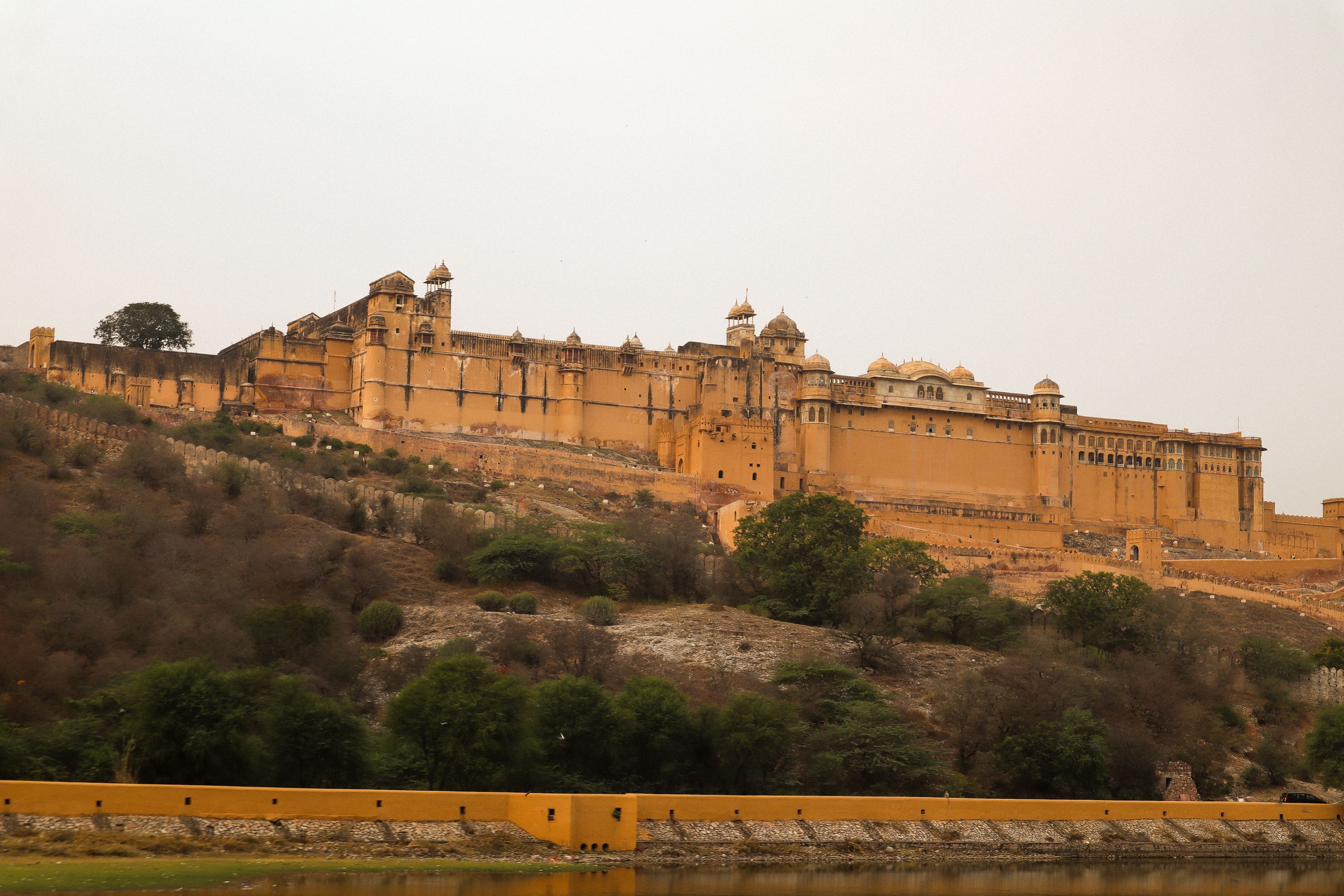
Popular culture often presents Delhi as a city destroyed and rebuilt seven times, framed as a sequence of distinct medieval citadels. The epigraphic (inscriptional) record and archaeological excavations reveal a different pattern: a continuous urban presence whose changing identity is registered in Sanskrit verse and stratified ceramic sequences.
The earliest verified epigraphic reference to the name from which "Delhi" derives appears in a rock-cut Sanskrit inscription dated Vikrama Samvat 1226 (1169–1170 CE) (The Times of India). Located on a rock surface near the Uncheshwar Mahadev temple at Bijolia in the Udaipur district of Rajasthan, this text records the genealogy and conquests of the Chahamana (Chauhan) dynasty (AgriDots).

Epigraphic Analysis of the Bijolia Inscription
Composed by the poet Keshava and engraved by a craftsman named Govinda (AgriDots), the Bijolia inscription includes a compound describing the conquest of the settlement by King Vigraharaja IV:
ढिल्लिकाग्रहणं (ḍhillikā-grahaṇam)
The text breaks down into two constituent elements:
- ढिल्लिका (ḍhillikā): A proper noun serving as the early medieval place name for the city.
- ग्रहणम् (grahaṇam): A Sanskrit neuter noun derived from the verbal root grah (ग्रह्, "to seize" or "to hold"), meaning "taking," "capture," or "seizure."
In this compound, ḍhillikā functions as an uninflected stem acting as an objective genitive (indicating the object of the verbal action) dependent on grahaṇam. The compound translates directly as "the capture of Dhillika" (The Times of India).
The phonological (sound system) structure of ḍhillikā (ढिल्लिका) offers distinct linguistic clues:
- The initial consonant is a retroflex (pronounced with the tongue curled back against the roof of the mouth) voiced aspirate ḍh (ढ), characteristic of Prakrit (middle Indo-Aryan vernaculars) and regional developments rather than classical Vedic Sanskrit stems.
- The suffix -ikā (-इका) functions as a Sanskritizing feminine diminutive or locative marker applied to an existing local placename stem (ḍhill-).
Subsequent epigraphs trace the evolution of this stem. The Palam Baoli inscription, dated to 1276 CE during the reign of Sultan Ghiyas-ud-din Balban (ReclaimTemples), records the construction of a stepwell in Sanskrit verse (ReclaimTemples). The text employs the form ḍhillī (ढिल्ली):
श्रीयोगिनीपुरमिति प्रथिताभिधाने ढिल्लीपुरे (śrī-yoginīpuram iti prathitābhidhāne ḍhillī-pure)
This phrase contains two paired place-name descriptions:
- śrī-yoginīpuram (श्रीयोगिनीपुरम्): "The glorious city of Yoginis" (a religious epithet associated with the cult of sixty-four Yoginis) (ReclaimTemples).
- iti prathitābhidhāne (इति प्रथिताभिधाने): "In [the place] having the well-known name..."
- ḍhillī-pure (ढिल्लीपुरे): "In the city of Dhilli," where pure is the locative singular (indicating location, "in the city") of pura (पुर, "city"), appended to the stem ḍhillī (ढिल्ली).
By 1328 CE, the Sarban stone inscription—found in Sarban village near modern New Delhi—uses ḍhillikā (ढिल्लिका) to locate a specific settlement within the historical region of hariyāna (हरियाणा) (The Times of India). The text explicitly distinguishes ḍhillikā as a primary city founded by the Tomara dynasty from indraprastha (इन्द्रप्रस्थ), which it describes as an administrative subdivision (pratigaṇa, a regional unit) (The Times of India).
Physical Stratigraphy at Purana Qila
Archaeological excavations conducted by the Archaeological Survey of India (ASI) inside the Purana Qila complex align with this textual record (Archaeological Survey of India). Excavation campaigns led by archaeologist B.B. Lal in 1954 and 1969–1973 (Swarajya), alongside subsequent seasons in 2013–2014, 2017–2018, and 2022–2023 led by Vasant Swarnkar (ResearchGate), revealed nine distinct cultural levels (The Hindu):
- Pre-Mauryan Period: Represented by shards of Painted Grey Ware (PGW, fine grey pottery with painted black geometric designs) (The Hindu).
- Mauryan Period: Characterized by Northern Black Polished Ware (NBPW, highly lustrous dark ceramic) and terracotta ring wells (Archaeological Survey of India).
- Sunga Period: Marked by molded terracotta plaques and brick structures (Swarajya).
- Kushana Period: Features multi-room residential brick structures and coins (Archaeological Survey of India).
- Gupta Period: Yielded seals, clay sealings, and a terracotta plaque depicting Gaja Lakshmi (Archaeological Survey of India).
- Post-Gupta Period: Structural fragments and utilitarian pottery styles.
- Rajput (Tomara and Chahamana) Period: Yielded structural remains, postholes, and a carved stone image of Vaikuntha Vishnu (Archaeological Survey of India).
- Sultanate Period: Glazed ceramics and coin hoards (Archaeological Survey of India).
- Mughal Period: Architectural foundations and fine ceramics (Archaeological Survey of India).
The Indraprastha Identification
⚖ Scholarly debate: Tradition holds that Purana Qila occupies the exact site of Indraprastha, the legendary capital of the Pandavas described in the Sanskrit epic Mahabharata. Proponents of this identification point to the local survival of the village name "Indrapat" inside the fort walls until the 20th century (The Times of India) and the presence of PGW ceramics dated to the early first millennium BCE (The Hindu). However, historians and archaeologists caution that while PGW stratigraphy establishes early Iron Age occupation (The Hindu), material evidence cannot independently verify epic narrative events or literary character names. Evidence shows a continuous settlement sequence, but scholars debate whether the Iron Age horizon at Purana Qila can be directly correlated with the epic text.
This physical sequence demonstrates that early medieval builders did not abandon previous settlements. Instead, early medieval Tomara rulers built urban centers nearby, such as Lal Kot near Mehrauli (The Times of India), while maintaining regional administration (The Times of India). The epigraphic and archaeological evidence demonstrates that the transformation from ḍhillikā to ḍhillī and finally to modern Delhi reflects a natural linguistic development of an indigenous place name (The Times of India), verified through stone inscriptions (The Times of India) and archaeological stratigraphy (ResearchGate).
Sources cited:
- https://timesofindia.indiatimes.com/blogs/voices/lal-kot-the-first-red-fort-of-delhi/
- https://agridots.com/courses/exam-rpsc-eo-ro/rajasthan-history/img/07-01-00-chauhan-origin-theories-overview.webp
- https://reclaimtemples.org/tracing-the-yoginis-in-delhi/
- https://www.facebook.com/IndianHeritage.GoI/posts/excavations-at-purana-qila-conducted-during-2013-14-2017-18-and-202223-revealed-/1445245820962118/
- https://swarajyamag.com/culture/delhis-purana-qila-emerges-as-a-time-capsule-excavation-reveals-ancient-treasures-pre-mauryan-era-settlement
- https://www.researchgate.net/publication/392398186_A_Comprehensive_Picture_of_Delhi's_Archaeology_Through_Excavations_at_Purana_Qila
- https://www.thehindu.com/news/cities/Delhi/purana-qila-excavations-in-delhi-reveal-pre-mauryan-era-settlement/article66911671.ece