The Northern Black Polished Ware Horizon: What Central Asian Ceramic Transitions Reveal About Iron Age Gangetic Trade
Comparative study of Central Asian borderland ceramic typologies and late Iron Age Gangetic stratigraphy clarifies the expansion of Northern Black Polished Ware and early trade networks.

Vikram Joshi for SwavedaOctober 24, 2026
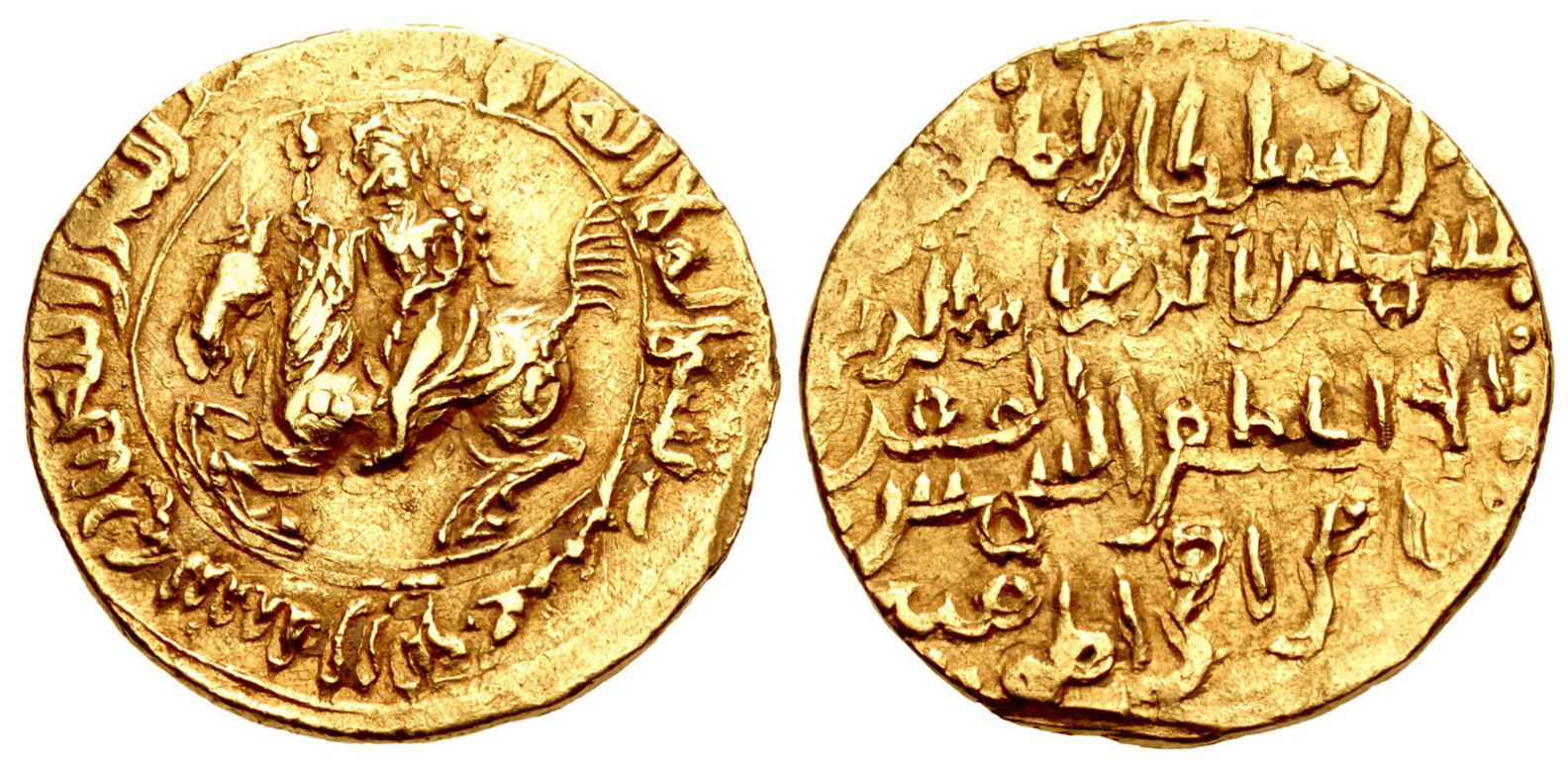
The movement of goods, technology, and luxury goods across the trade corridors connecting the Gangetic Plain to Central Asia during the late Iron Age remains one of the most critical subjects in South Asian archaeology. Central to understanding this network is Northern Black Polished Ware (NBPW), a high-status ceramic known for its distinctive metallic luster and fine fabric (Archaeological Research in Asia).
A study published in Archaeological Research in Asia examines ceramic typologies across Central Asian borderland sites, providing essential comparative evidence for how NBPW styles and manufacturing techniques spread across northern India and adjacent trade routes. By analyzing late Iron Age ceramic stratigraphy alongside early textual sources like the Shatapatha Brahmana (a late Vedic commentary detailing ritual practices and geographical movements), researchers can map the mechanics of regional exchange without resorting to unverified chronological models.
Stratigraphy and the Ceramic Sequence
For decades, archaeologists have tracked the transition from Painted Grey Ware (PGW) to Northern Black Polished Ware across the Ganga-Yamuna Doab and the Middle Gangetic Plain. PGW, typically associated with earlier Iron Age settlements, gives way to the highly burnished, thin-walled NBPW around the mid-first millennium BCE, signaling shifts in pyrotechnology, urban density, and social stratification.
Evidence shows that NBPW was not merely a local utility ceramic but a specialized luxury item, manufactured using sophisticated reduction firing techniques and mineral-rich slips (ResearchGate). Its distribution spans a vast geographic area, extending from core Gangetic urban centers like Kausambi, Ayodhya, and Rajghat to distant frontier zones in Pakistan and Afghanistan, such as Taxila and Charsadda (Wikipedia).
The new research highlights how peripheral ceramic assemblages in Central Asian border regions mirror structural shifts in Gangetic production (Archaeological Research in Asia). By comparing local wheel-made typologies and surface-treatment methods at frontier transit nodes with stratified sequences from core NBPW sites, the study demonstrates that the movement of ceramic styles was tied to established trade routes connecting the urbanizing Gangetic polities (mahajanapadas) to northwestern corridors.
Grounding Literary Text in Material Evidence
Scholars debate the exact timelines for the eastward expansion described in late Vedic literature. Textual references in the Shatapatha Brahmana describe the clearing of forests and the movement of ritual traditions eastward toward Videha (modern northern Bihar and southern Nepal). While tradition holds that these texts chronicle the cultural and agricultural integration of the Gangetic plain, establishing firm calendar dates based purely on literary recitations remains difficult.
Triangulating textual accounts with ceramic stratigraphy offers a clearer picture. The appearance of NBPW in stratified contexts marks the consolidation of early urban centers and organized long-distance trade. Rather than viewing the Shatapatha Brahmana as a literal chronological record, archaeologists use it as a qualitative framework describing a society undergoing agricultural intensification, craft specialization, and expanding exchange networks—developments that align materially with the NBPW horizon.
The Broad Reach of Trans-Regional Exchange
The presence of NBPW sherds in northwestern borderlands and their stylistic influence on local Central Asian ceramic traditions illustrate the reach of late Iron Age commerce (Archaeological Research in Asia). Rather than a one-way export of finished vessels, the evidence points to a two-way movement of technological knowledge, raw materials, and merchant groups along Northern Route (Uttarapatha) trade arteries.
By focusing on ceramic typologies and verified stratigraphic sequences (Archaeological Research in Asia), archaeological research continues to clarify how early South Asian urbanism integrated with broader Asian trade networks, grounding long-standing historical narratives in physical material data.