The Steppe in the Sutras: What Xiongnu Tomb Chronology Reveals About India's Early Nomadic Contacts
New archaeological dating of Xiongnu tombs in Mongolia clarifies the timeline of Central Asian migrations, aligning the rise of steppe empires with the arrival of Saka and Kushan groups in ancient India.

Vikram Joshi for SwavedaAugust 18, 2026
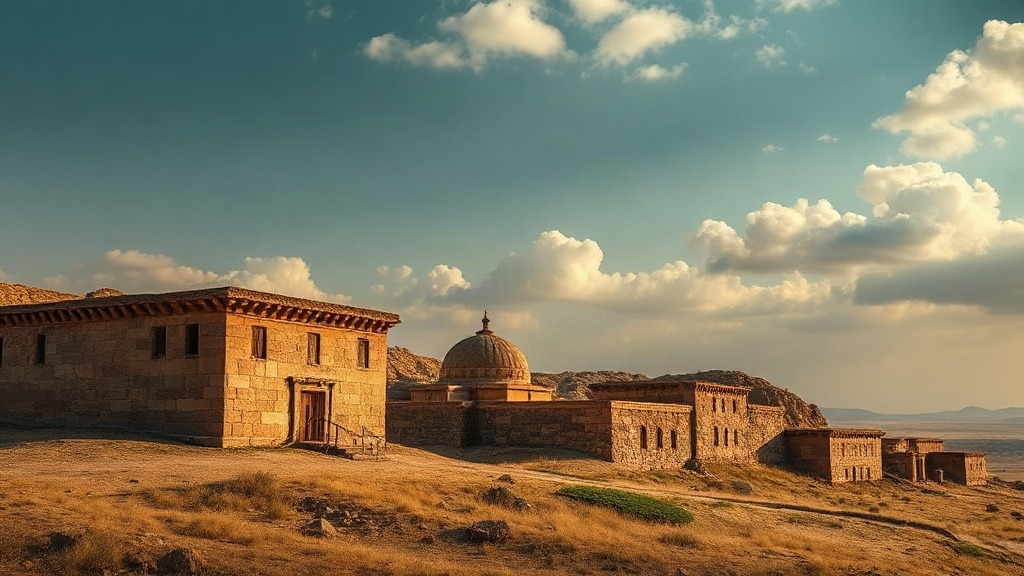
The movement of nomadic pastoralists from the Eurasian steppe into northern India during the late centuries BCE and early centuries CE reshaped the political and cultural landscape of the subcontinent. These migrant groups, known in Indian sources as the Sakas (Scythians) and Kushans (a branch of the Yuezhi), established powerful dynasties that patronized Buddhism, Sanskrit literature, and distinct artistic styles. However, establishing the precise timing of these migrations has long challenged historians, who must balance classical Indian texts with fragmented archaeological records.
A chronological anchor has emerged from the northern edge of the steppe. Recent archaeological research on the aristocratic tombs of the Xiongnu Empire in Mongolia provides a highly precise timeline for the consolidation and expansion of this nomadic confederation. A study published in Archaeological Research in Asia utilizes advanced radiocarbon dating and Bayesian chronological modeling of high-status Xiongnu burials. By establishing exactly when the Xiongnu consolidated power and pushed rival groups westward, this dating model clarifies the domino effect that propelled the Sakas and Yuezhi toward the mountain passes of the Hindu Kush and into the plains of India.
The Steppe Domino Effect
Tradition holds that the displacement of Central Asian tribes was a sudden, chaotic upheaval. However, evidence shows a structured progression of political collapse and migration. The Xiongnu Empire, centered in modern-day Mongolia, acted as the primary engine of this displacement. As the Xiongnu expanded their territory, they defeated the Yuezhi, a nomadic group residing in the Gansu region of modern China.
This defeat forced the Yuezhi to migrate westward into the Ili Valley, where they in turn displaced the Sakas. The Sakas migrated southward, eventually entering South Asia through the Pamir Mountains and the Khyber Pass. Later, pressure from other nomadic coalitions forced the Yuezhi themselves southward, where they established the Kushan Empire, spanning from Central Asia to northern India.
The new chronological model published in Archaeological Research in Asia refines the dating of key Xiongnu cemetery sites, such as Noyon Uul and Gol Mod II. By dating organic remains from these aristocratic tombs, researchers have established a tight timeline for the peak of Xiongnu material wealth and military expansion. This precise dating confirms that the pressure on the western frontiers of the steppe peaked during the late second century BCE and early first century BCE, matching the period when Saka rulers first began issuing coins in northwestern India.
Nomadic Outsiders in Sanskrit Literature
This refined archaeological timeline allows historians to read early Sanskrit and Prakrit (vernacular Middle Indo-Aryan languages) texts with greater chronological confidence. In early Indian literature, these northern nomadic groups are collectively referred to as Mlecchas (foreigners or non-Aryans) or specifically by their tribal names, such as the Sakas, Yavanans (Greeks), and Tusharas (often identified with the Tocharians or Kushans).
In the Yuga Purana (a Sanskrit text detailing historical events disguised as prophecy), there are vivid descriptions of the chaotic arrival of these northern invaders. The text describes the Sakas invading Pataliputra (modern Patna) after the decline of the Maurya and Shunga dynasties. Scholars debate the exact composition date of the Yuga Purana, but the alignment of the new Xiongnu tomb chronology supports the view that these texts reflect real historical memories of the late first century BCE, rather than generalized mythological tropes.
Similarly, the Mahabharata (one of the two major Sanskrit epics of ancient India) contains numerous references to the Sakas and Tusharas fighting as mercenaries or allies in the epic war. While the core narrative of the epic is ancient, scholars recognize that the text accumulated layers over centuries. The specific inclusion of these northern nomads in the geographic chapters of the Sabhaparvan (the Book of the Assembly Hall) points to a period when these groups were no longer distant rumors but active participants in the geopolitics of northern India.
Matching Material Cultures
The connection between the Mongolian steppe and the Indian subcontinent is visible in more than just texts. Archaeological excavations in Taxila (in modern Pakistan) and Mathura (in northern India) have unearthed elite items that share stylistic elements with nomadic art found in Xiongnu and Saka tombs.
These items include:
- Belt buckles depicting stylized animal combat, a classic motif of the Ordos and Mongolian steppe art.
- Long, straight iron swords designed for mounted warfare, differing from the shorter bronze and iron blades of earlier Indian periods.
- Incurved drinking vessels and cauldrons that mirror the bronze vessels found in Central Asian nomadic burials.
The refined dating of the Mongolian tombs indicates that these stylistic traits did not emerge in isolation. Instead, they represent a shared aristocratic culture that stretched from the borders of China to the courts of northern India. The Saka and Kushan rulers maintained their nomadic heritage through these prestige goods even as they adopted local Indian administrative practices, patronized Buddhist monasteries, and commissioned inscriptions in the Brahmi (an ancient Indian script) and Kharosthi (a right-to-left script used in ancient Gandhara) scripts.
By anchoring the chronology of the Xiongnu Empire, archaeologists have provided Indian historians with a crucial external reference point. The migrations that brought the Sakas and Kushans to India were not isolated events but the direct result of political consolidation on the Mongolian plateau. This multidisciplinary alignment of radiocarbon dating, Central Asian archaeology, and early Sanskrit texts offers a clearer, more grounded view of how ancient India was connected to the broader movements of the Eurasian steppe.