The Fish Motif in the Indus Valley: A Glimpse Through Script and Symbol
This article examines the recurring fish motif in Indus Valley Civilization artifacts, exploring its potential significance through linguistic and archaeological evidence, while carefully framing speculative interpretations.

Asha Naidu for SwavedaJune 3, 2026
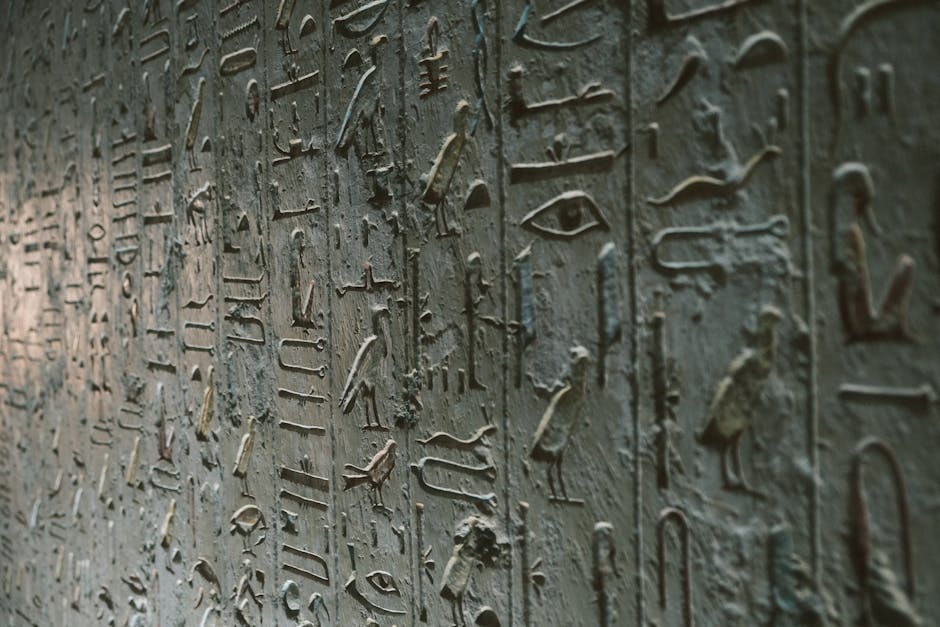
The motif of the fish appears with notable frequency across the material culture of the Indus Valley Civilization (IVC). This Bronze Age society flourished in South Asia from approximately 2600 to 1900 BCE. While the Indus script remains largely undeciphered, the recurring presence of piscine imagery on seals, pottery, and other artifacts invites investigation into its potential symbolic or practical significance. This exploration draws upon comparative linguistic studies and the current, albeit limited, understanding of the Indus script to consider what these fish might represent.
The very word "fish" carries a deep linguistic history. Its Proto-Indo-European root, *phish-, has cognates that echo through many modern languages, and it has ancient Germanic origins that contributed to the English word. This linguistic continuity is a general observation about the deep antiquity of this creature in human experience. For early societies, fish were a vital food source, a readily available protein that shaped settlement patterns and diets. Archaeological evidence from sites like Mohenjo-daro and Harappa consistently reveals fish bones, indicating a significant dietary component derived from rivers, lakes, and coastal waters.
Within the context of the IVC, the fish motif is not merely decorative. It appears on numerous seals, often alongside other animal imagery or enigmatic symbols. One of the most discussed Indus artifacts, the "Priest-King" statue from Mohenjo-daro, depicts a figure adorned with a trefoil pattern. Some scholars associate this pattern with fish scales, though this remains a point of interpretation. More direct depictions of fish are prevalent on smaller seals. These often show a stylized fish, sometimes a single specimen, at other times a pair, or even multiple fish.
The decipherment of the Indus script is a formidable challenge. Scholars have proposed various theories, ranging from Dravidian language affiliations to independent language families. The script typically consists of short inscriptions, averaging around five signs. While the phonetic value of most signs remains unknown, some elements are tentatively recognized through patterns and comparative analysis with other ancient scripts. The presence of a fish sign is one of the more consistently discussed elements within the Indus script, though its definitive identification and meaning are still debated.
Several scholars propose that a specific Indus sign represents a fish. This sign, often depicted as a series of horizontal lines within a vertical or curvilinear outline, bears a resemblance to stylized fish forms seen in other ancient Mesopotamian and Egyptian iconography. If this sign indeed represents "fish," its repeated appearance in inscriptions could offer clues to its significance. Is it a simple identifier, perhaps a personal name, a place name, or a reference to a trade commodity? Or does it carry a deeper symbolic meaning?
The symbolic interpretation of fish in ancient cultures is diverse. In many traditions, fish are associated with fertility, abundance, and prosperity due to their prolific reproductive capabilities. They can also symbolize water, the source of life, or represent watery realms and their deities. In some contexts, fish have been linked to spiritual journeys or transformations, perhaps due to their movement through the unseen depths.
In the specific context of the Indus Valley, the recurring fish imagery might reflect a pragmatic concern with sustenance. A significant portion of the IVC population lived in areas with access to abundant aquatic resources. Therefore, the fish motif could signify a successful catch, a bountiful harvest from the waters, or simply a fundamental aspect of daily life.
However, the context in which the fish motif appears on seals is crucial. Seals in the ancient Near East and South Asia were typically used for administrative and economic purposes, such as marking ownership of goods, authenticating documents, or signifying authority. The presence of a fish motif on such seals could therefore denote individuals or entities involved in fishing, fish trade, or perhaps even located in regions known for their fisheries.
Some scholars have explored potential links between the Indus fish motif and later traditions in South Asia. While direct continuity is difficult to establish due to the gap in undeciphered script, certain symbolic associations might have persisted. For instance, the carp, a common freshwater fish, holds auspicious significance in some Hindu traditions. Whether this reflects a distant echo of Indus symbolism or independent cultural developments remains a subject of scholarly debate. It is important to note that such connections are largely speculative and require further evidence.
The challenge lies in bridging the gap between a recognizable image and its meaning within a lost linguistic and cultural framework. The fish sign in the Indus script, while visually suggestive, does not readily yield its meaning without broader decipherment. However, its consistent inclusion alongside other recognized motifs suggests it was not an arbitrary element.
One possibility is that the fish sign was part of a system of representation where abstract concepts were conveyed through concrete imagery. For instance, if a particular Indus seal was used by a merchant dealing in fish products, the fish sign might have served as a direct identifier. Alternatively, if fish were ritually important, the sign could have appeared on seals associated with religious practices or temple administration.
The sheer volume of fish remains found at IVC sites provides a strong foundation for considering fish as a significant element in their daily lives. The Indus script, even in its undeciphered state, offers tantalizing hints about how this element was perceived and communicated. The recurring fish motif, whether as a direct depiction or a potential script sign, serves as a quiet reminder of the deep connections between the ancient peoples of the Indus Valley and the aquatic environments that sustained them. Further archaeological discoveries and advancements in decipherment research are needed to fully illuminate the multifaceted significance of the fish in this ancient civilization.
The word "motif" itself has an interesting origin. It comes from the French word "motif," meaning "motive" or "cause." In art and design, a motif is a recurring element, much like the fish in the IVC. This recurrence is not accidental; it typically serves a purpose, whether decorative, symbolic, or narrative. The study of these recurring elements, or motifs, across different cultures and time periods is fundamental to understanding human expression and the transmission of ideas.
The fish motif's persistence across various artifacts of the Indus Valley Civilization, from the most tangible archaeological finds to the enigmatic signs of its script, suggests an enduring importance. It speaks to a world where sustenance, symbolism, and perhaps even spiritual beliefs were intricately interwoven, with the humble fish playing a role that continues to intrigue and elude complete understanding.