The Ayagapatas of Kankali Tila: Epigraphic Evidence for Pre-Common Era Jain Monasticism
Mathura's Kankali Tila tablets establish a firm, second-century BCE archaeological timeline for Jainism. Votive stone carvings confirm an organized monastic tradition without relying on unverified claims of antiquity.

Vikram Joshi for SwavedaNovember 5, 2026
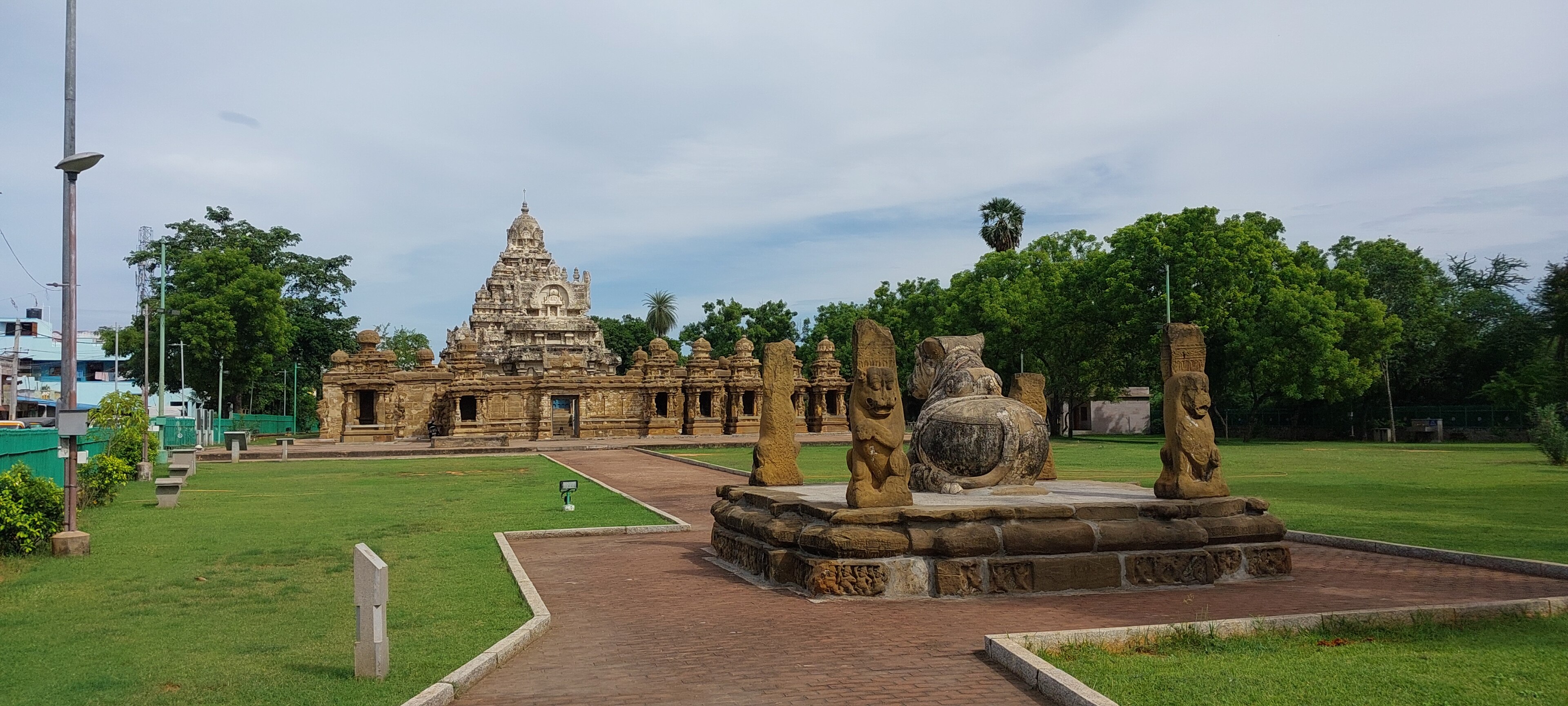
While popular tradition traces Jainism through an unbroken succession of twenty-four Tirthankaras (ford-makers) stretching deep into prehistory, the physical record of human material culture demands a different kind of proof. For historians, a religious movement moves from tradition to verified history when it leaves its mark on stone, brick, and epigraphy.
At the mound of Kankali Tila in Mathura, Uttar Pradesh, that transition takes concrete form. Excavations conducted at the site establish a physical baseline for organized Jain monasticism and lay patronage dating to the second century BCE. Far from a nascent, unorganized sect, the archaeological material at Kankali Tila—most notably its carved stone ayagapatas (votive tablets of homage)—reveals a fully developed institutional faith operating at a key urban crossroads of ancient northern India.
The Votive Slabs of Mathura
The ayagapatas (tablets of homage) recovered from Kankali Tila are square or rectangular stone plaques carved from the region's characteristic red spotted sandstone. Carved primarily between the second century BCE and the second century CE, these slabs were set up in shrines or near stupas (relic mounds) as objects of veneration by lay worshippers.
Art historically, the earliest examples—such as the Simitra ayagapata, dated on stylistic and palaeographic grounds to circa 150–75 BCE—display flat, sharply delineated forms characteristic of the Shunga period. Centered around sacred symbols like the dharmachakra (wheel of the law), the svastika (emblem of well-being), and the triratna (three jewels), these early slabs precede the widespread creation of fully detached, three-dimensional images of the Tirthankaras.
┌──────────────────────────────────────────────────────────┐
│                   TYPICAL AYAGAPATA LAYOUT               │
│                                                          │
│     [ Corner Symbol ]   [ Central Icon ]   [ Corner Symbol ] │
│                         (Tirthankara /                       │
│                           Dharmachakra)                      │
│     [ Auspicious ]                         [ Auspicious ]    │
│       Motif                                  Motif           │
│                                                          │
│   ════════════════════════════════════════════════════   │
│   DONATIVE INSCRIPTION: "Dedicated by [Name], disciple   │
│   of [Ascetic/Order], for the welfare of all beings."     │
└──────────────────────────────────────────────────────────┘
What makes these tablets crucial for historical reconstruction is not merely their iconography, but their epigraphy. Many ayagapatas bear inscriptions written in Middle Indo-Aryan dialects using the Brahmi script. The texts follow a distinct legal and social formula: they record the donor's name, their occupation or social status, their family relations, and, critically, their allegiance to specific monastic lineages.
For example, the Vasu silapata (stone slab), dating to the first century CE, records a donation by a woman named Vasu, who describes herself as the disciple of ascetics within a designated order. Evidence shows that lay donors were explicitly identifying themselves as followers of particular ganas (monastic troops), kulas (lineages), and shakhas (branches). This epigraphic record demonstrates that by the final centuries before the Common Era, Jainism was not an isolated ascetic movement, but an institution with a defined division of labor between renunciants and a wealthy lay community.
Triangulating Mathura with Kalinga
The local evidence at Mathura does not stand in isolation. To verify the reach and maturity of pre-Common Era Jainism, scholars compare the Kankali Tila finds with contemporary epigraphic material from eastern India—most notably the Hathigumpha inscription at Udayagiri, near modern Bhubaneswar in Odisha.
Carved into the wall of a sandstone cave, the Hathigumpha inscription records the achievements of King Kharavela of Kalinga, dating to around the first or second century BCE. The inscription opens with the traditional Jain namokar formula, invoking reverence for the Arhats (worthy ones) and Siddhas (liberated souls).
Crucially, the Hathigumpha text records that Kharavela recovered a Jina image (or sacred relic) from Magadha that had been carried away centuries earlier by a king of the Nanda dynasty. Scholars debate the precise nature of the item brought back—whether it was a sculpted icon, a throne, or a sacred symbol—because fully realized idol worship in Jainism is traditionally dated closer to the late centuries BCE.
However, the broader historical significance of the Hathigumpha inscription is clear. When placed alongside the Kankali Tila ayagapatas, it establishes that by the second century BCE, Jainism enjoyed royal patronage in eastern coastal India while simultaneously maintaining a thriving lay base among urban merchants and artisans in the Gangetic plains.
Separating Monastic History from Antiquity Claims
Popular tradition holds that Vardhamana Mahavira, the 24th Tirthankara who lived around the 6th to 5th centuries BCE, was not the founder of Jainism, but a reformer who revived a tradition established by Parshvanatha (the 23rd Tirthankara) and Rishabhanatha (the 1st Tirthankara).
Archaeological science cannot confirm or deny spiritual lineages that leave no physical footprint. What archaeological evidence shows is that material remains directly confirming an organized Jain community begin to appear consistently in the historical record around the 3rd to 2nd centuries BCE.
The Kankali Tila mound—excavated systematically in the late 19th century by Alexander Cunningham, Alois Anton Führer, and Vincent Smith—yielded layers showing continuous Jain occupation spanning roughly fourteen centuries, from the pre-Common Era into the medieval period. The site revealed not only ayagapatas, but also the foundational bases of stupas, stone railings (vedikas), architectural gateways (toranas), and eventually free-standing images of the Tirthankaras bearing identifiable emblems like the lotus, bull, and snake.
By grounding the history of Jainism in tangible artifacts like the Simitra and Vasu ayagapatas, historians avoid the trap of relying on unverified claims of indefinite antiquity. The physical record at Mathura does not require thousands of unrecorded years to be historically significant. Instead, it provides concrete proof that prior to the Common Era, Jainism was a structurally sound, highly organized religious institution capable of inspiring sophisticated stone art and enduring lay patronage across subcontinental trade routes.