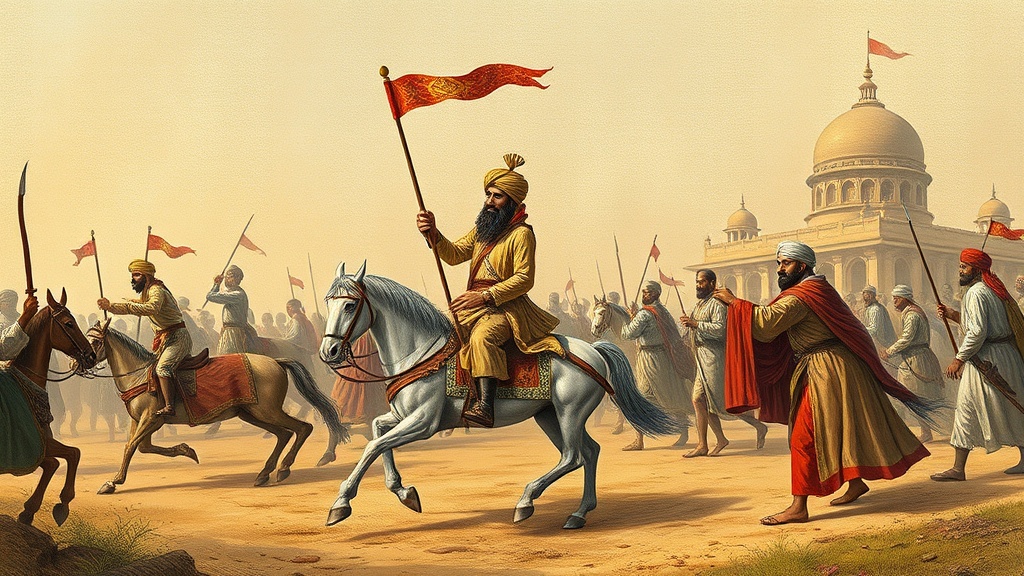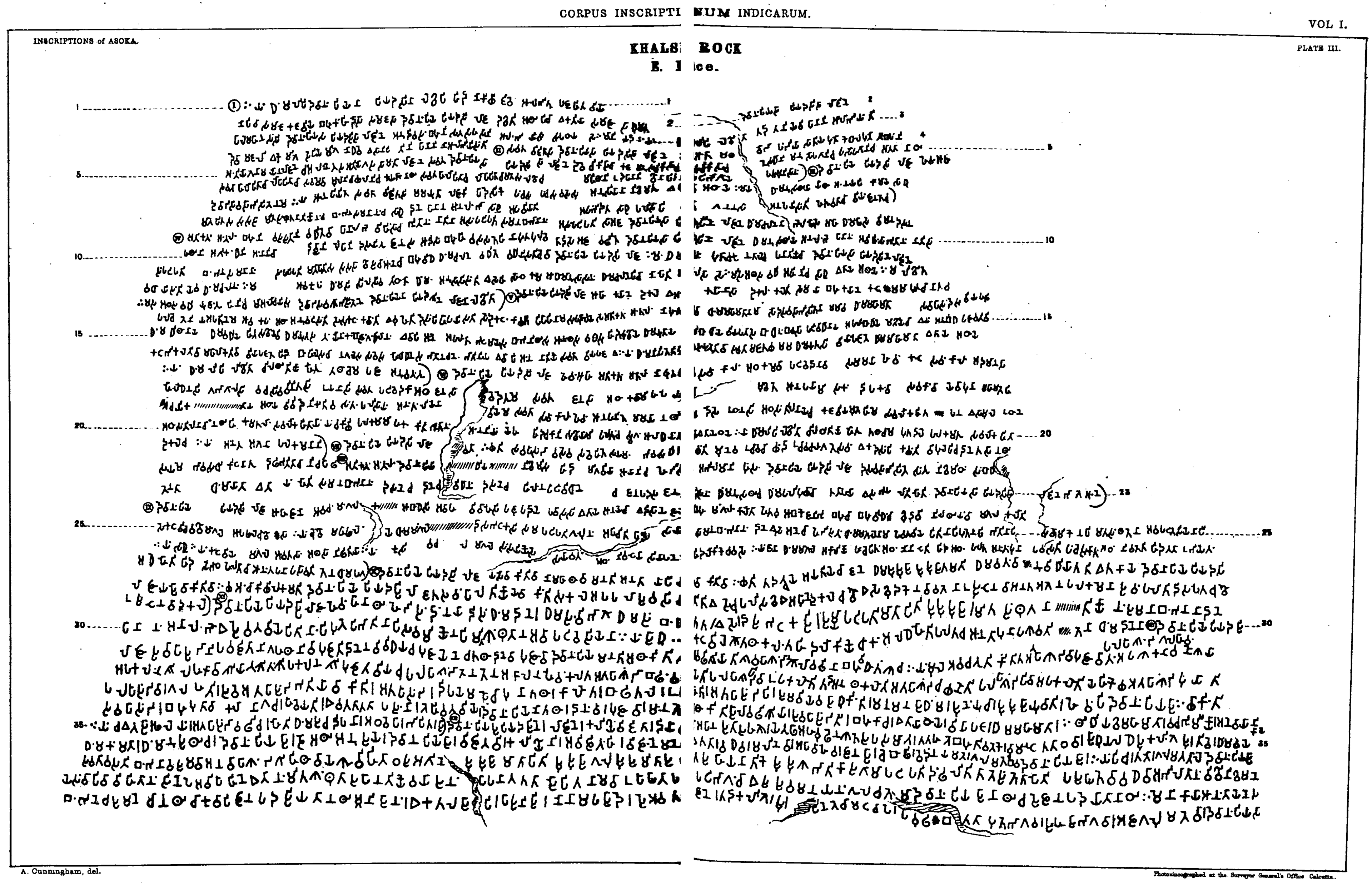
The Philology of Devānāṁpriya: Translating Maurya Imperial Epigraphy Against Hellenistic Royal Titulature
Analyzing how Aśoka's title Devānāṁpriya evolved from a Mauryan imperial epithet into a grammatical anomaly in Classical Sanskrit.
Indian history, plainly written.
Analyzing how Aśoka's title Devānāṁpriya evolved from a Mauryan imperial epithet into a grammatical anomaly in Classical Sanskrit.
How Rigvedic semantics and Indus archaeobotany resolve the shift of Sanskrit yava from a generic term for grain into species-specific barley.
Vedic legal codes used non-Indo-European words to govern woven cotton. The term karpāsa reveals how early South Asian law codified textile technology.
The Sanskrit word for mustard, sarṣapa, lacks Proto-Indo-European roots. Its appearance alongside Harappan archaeobotanical finds offers evidence of pre-Vedic farming vocabulary absorbed into early Indo-Aryan texts.
Vedic Sanskrit trapu appears alongside ayas and sīsa in early texts. Philological analysis and lead isotope data from South Asian ores clarify how the Atharvaveda classified base metals.
Linguistic analysis of peninsular plant names isolates a pre-Dravidian substrate, illuminating early interactions between hunter-gatherers and expanding Neolithic pastoralists.
Philologists and archaeologists trace the origin of Sanskrit nīla (indigo/dark blue), balancing Dravidian lexical reconstructions against ancient vat residues and Near Eastern trade records.
Vedic texts reveal a semantic shift where yava moves from generic cereal to specific barley as rice (vrīhi) enters ritual space, matching Ganga Plain archaeobotanical finds.
How mineralized Gossypium fibers from early South Asian sites intersect with comparative Dravidian, Austroasiatic, and Indo-European philology to trace the history of the word kārpāsa.
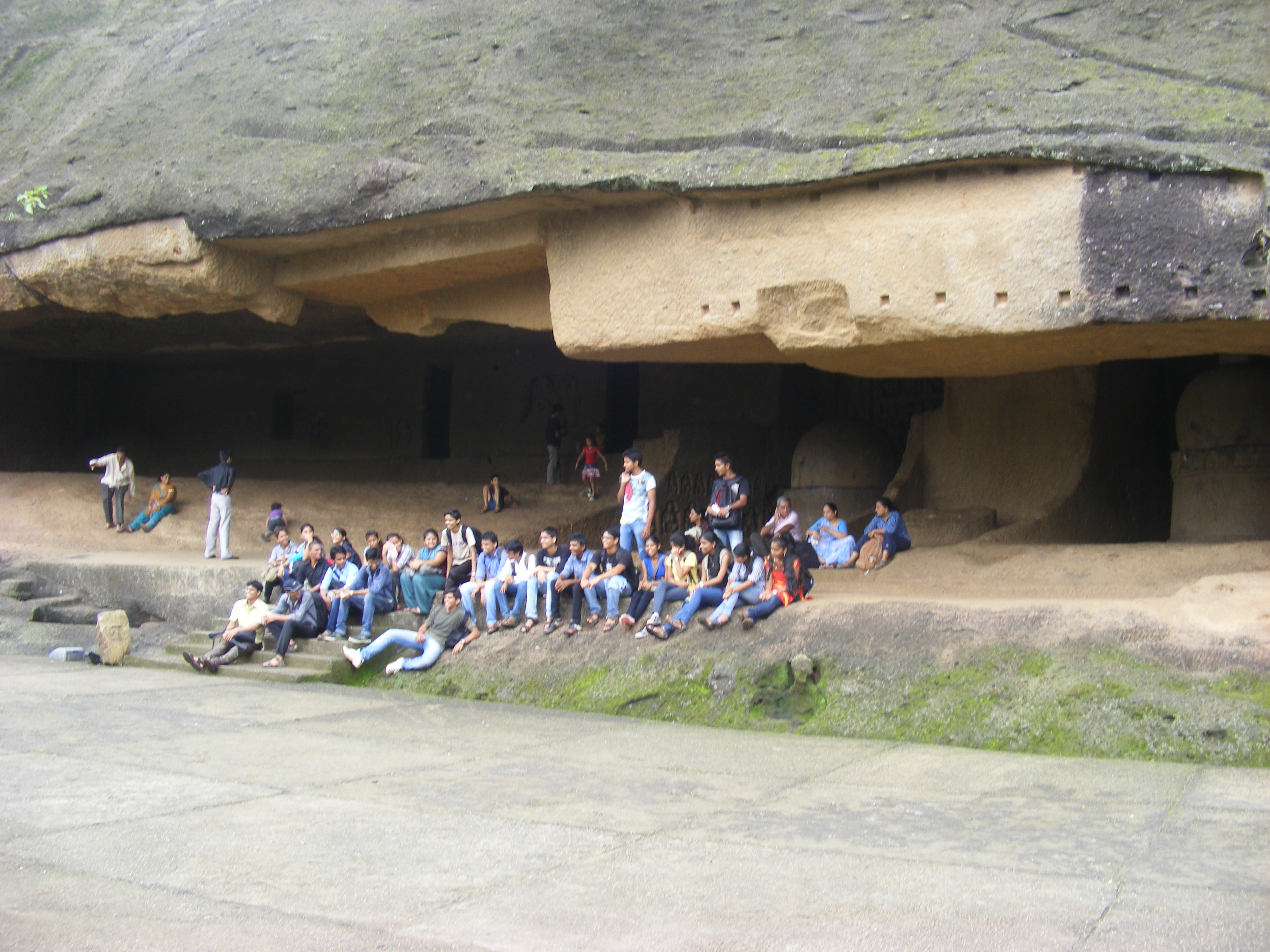
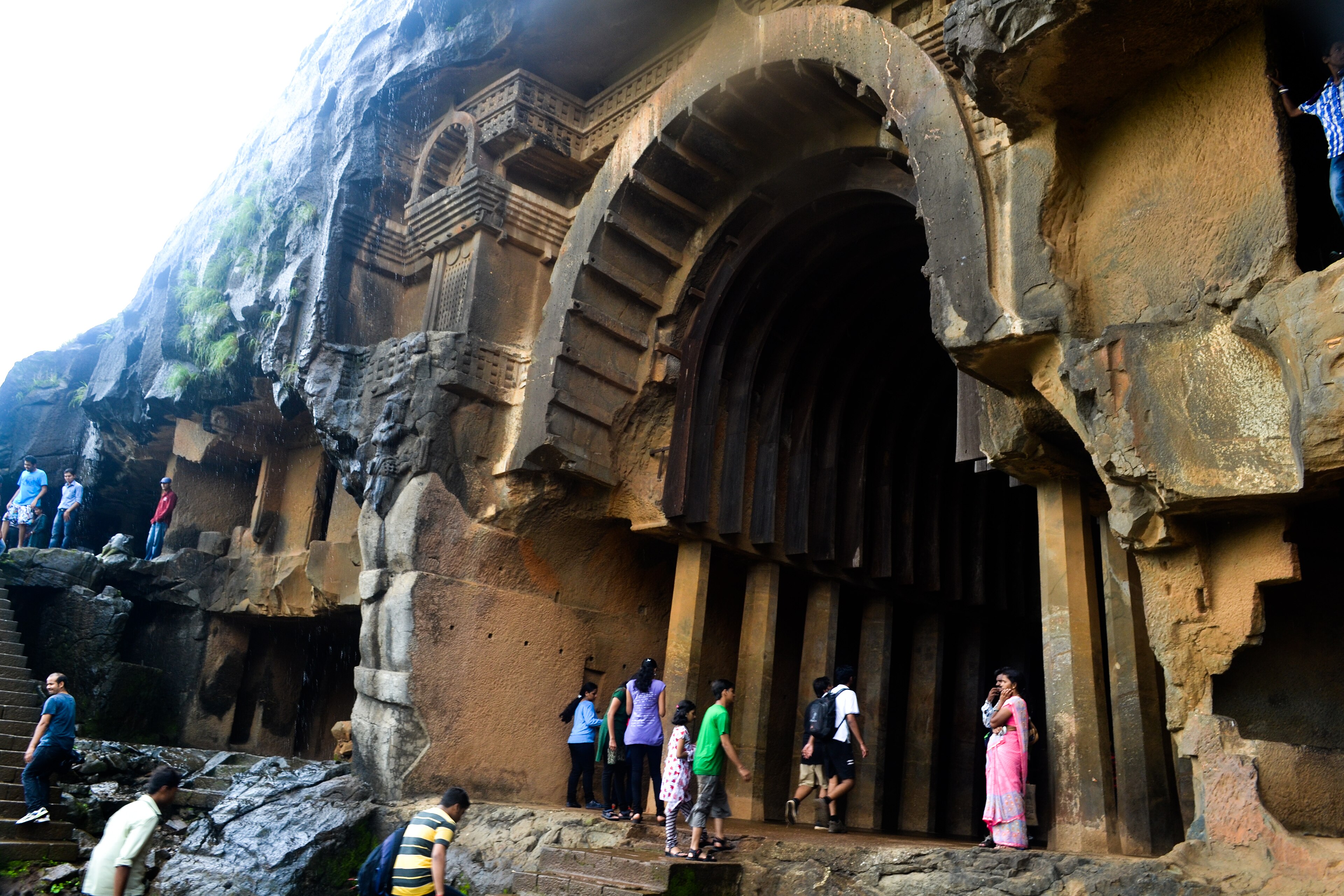
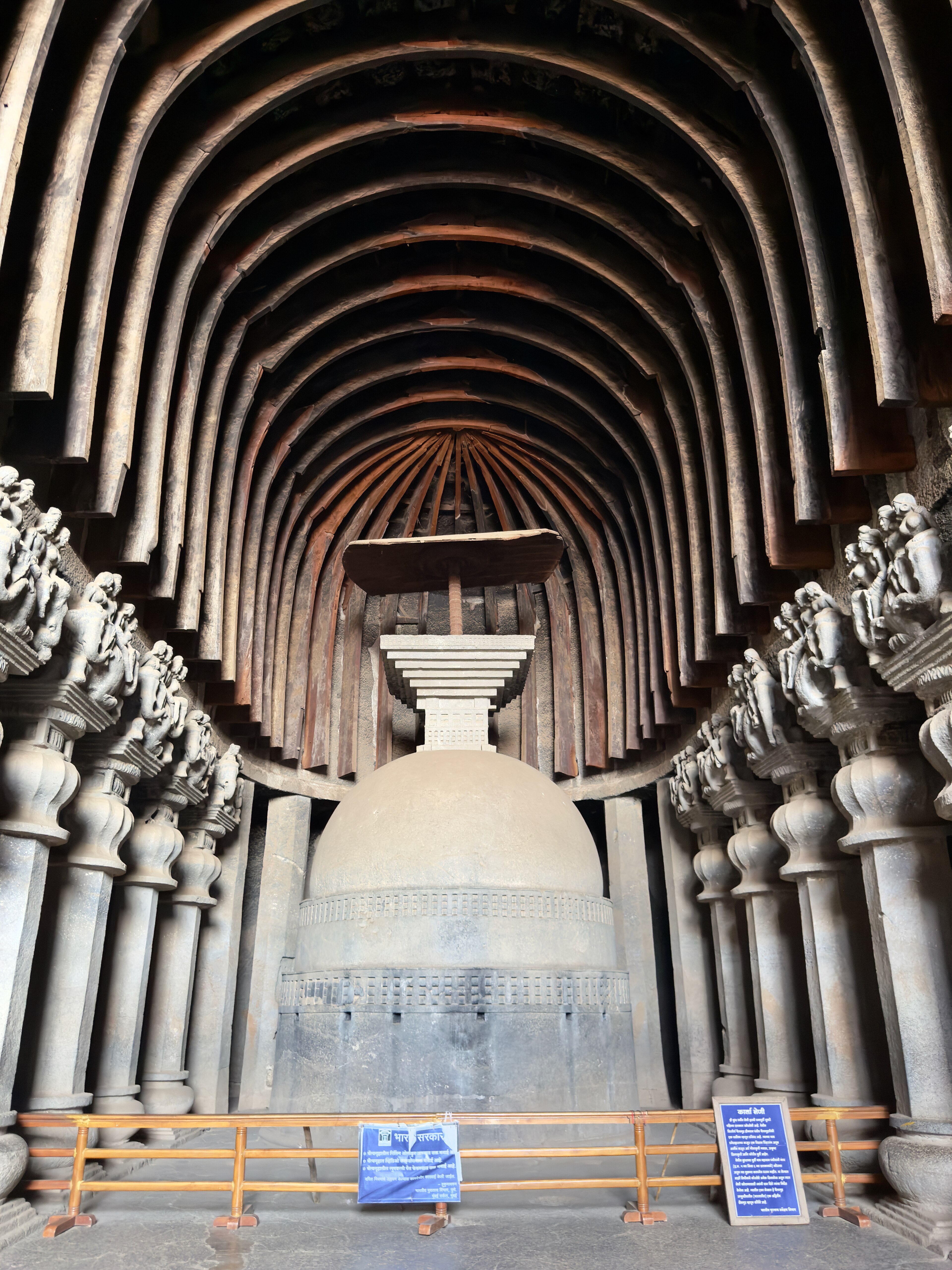
How early Middle Indo-Aryan epigraphs at Kanheri and Karle reveal the organizational hierarchy, logistics, and religious patronage of ancient Indian caravan networks across the Western Ghats.
Epigraphic findings from Tamil Nadu to Thailand trace how the early medieval trade guild term manigrama evolved across Dravidian syntax, royal titles, and Sanskrit borrowings.
Translating Rigvedic yava as modern barley requires testing Vedic Sanskrit philology against carbonized grain residues from Indus and post-Indus sites across Northwestern South Asia.
Traces how the Dravidian root for cardamom entered Sanskrit epics and classical Greco-Roman medical texts, grounding the trade term in comparative philology, ancient medical compendia, and lexical history.
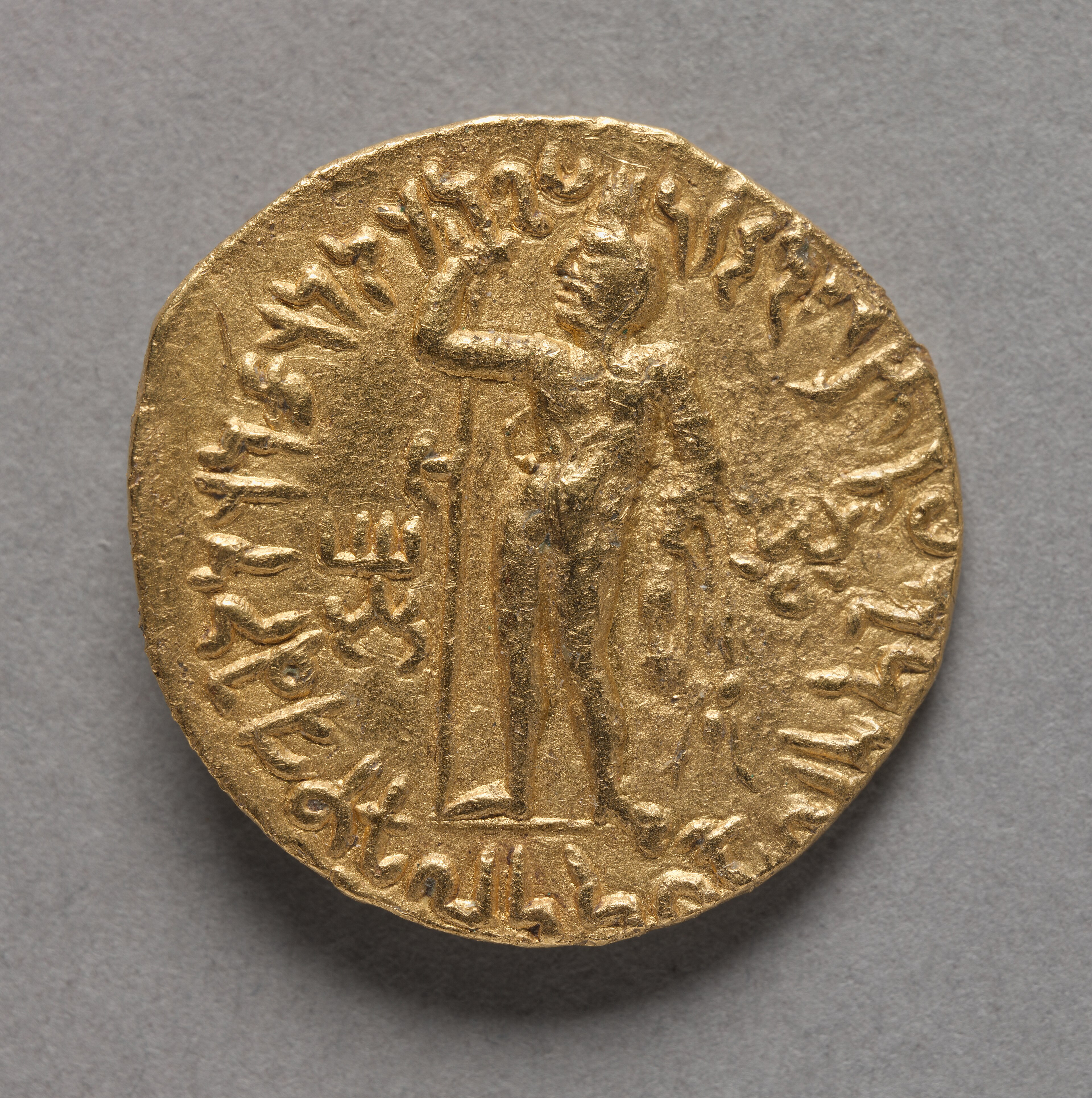
Philological and numismatic evidence traces how the Old Persian term Yauna mutated into Prakrit Yona and Sanskrit Yavana across ancient Indian inscriptions and coinage.
Linguistic analysis of ancient South Asian sugarcane terms traces how Sanskrit śarkarā traveled across Old Persian, Greek, and Latin, documenting early agricultural exchange across Eurasia.
How ancient Dravidian words for copper entered Vedic Sanskrit, and how lexical loans match archaeometallurgical residue data across Bronze Age South Asia.
Comparing Domingo Paes's Portuguese observational account of Vijayanagara with King Krishnadevaraya's Telugu epic Āmuktamālyadā and contemporary Sanskrit inscriptions shows how foreign descriptions align with native statecraft.
Tracing Sanskrit śarkarā through Middle Indo-Aryan sakkharā and Persian shakar maps how ancient South Asian sugar processing technology spread across world language families.
Linguistic and epigraphic evidence shows how Dravidian and Middle Indo-Aryan maritime vocabulary moved across Persian Gulf trade networks from the Bronze Age through Late Antiquity.
Maritime trade along the Coromandel Coast bypassed southern Dravidian linguistic strongholds, enabling direct North Indian sea migrations to Sri Lanka and establishing Sinhala Prakrit on the island.
Linguistic analysis of loanwords in Vedic Sanskrit reveals early Dravidian contributions to South Asian textile technology, complementing archaeobotanical evidence of ancient cotton and hemp processing.
How ancient terms for elephants and ivory trace maritime networks across the Indian Ocean and Near East, linking South Asian substrate vocabulary to Bronze Age trade routes.
Linguistic analysis of early Tamil-Brahmi rock inscriptions reveals how measurement terms evolved from Sangam literature to early epigraphy in Tamil Nadu.
Nineteenth-century Bengali print culture was shaped by urban elite biases and colonial policies. Early typography and texts show how Bhadralok literacy prioritized metropolitan reforms over rural economic realities.
Archaeological excavations of Megalithic pottery in Tamil Nadu show how scratch-marked ceramic symbols existed alongside and gradually gave way to full alphabetic Tamil-Brahmi script.
When 2.8 million women were registered for India's 1951 election by relational terms rather than given names, Chief Election Commissioner Sukumar Sen purged the rolls to enforce individual civic identity.
A study of early Kadamba epigraphy traces how local Dravidian agrarian terms for land measurement and currency entered formal Sanskrit revenue charters in fifth-century Karnataka.
Comparing Justin's Roman epitome and Viśākhadatta's Mudrārākṣasa reveals how Classical Latin historians and Sanskrit dramatists independently constructed royal legitimacy for the low-born Chandragupta Maurya.
Vedic Sanskrit terms for looms and dyed fabrics reveal how early Dravidian terminology entered Northern Indian texts, mapping ancient trade routes across the Gangetic plain through historical linguistics and botany.
Line 22 of the Allahabad Pillar inscription uses precise Sanskrit compounds to define imperial outer limits, distinguishing tributary border realms like Kāmarūpa and Ḍavāka from directly ruled Gupta territory.
Philological analysis of Rigvedic equine terminology paired with archaeozoological finds clarifies how horse-drawn transport entered post-Harappan South Asia.
Comparative philology and site archaeology provide distinct models for northern India's post-Harappan transition. Examining how scholars handle textual layers alongside physical strata highlights key methodological gaps.
Linguistic loanwords and zooarchaeological records show how ancient Indo-Aryan speakers adopted local forest terms and elephant handling techniques from non-Indo-European substrate speech communities.
Linguistic layers and Gangetic Iron Age settlement data show that the fourfold varna classification in the Purusha Sukta was a late interpolation rather than an early Vedic social reality.
Comparative linguistics and archaeobotany reveal how Austroasiatic substrate loanwords in Vedic Sanskrit track the Bronze and Iron Age adoption of cotton processing in the Gangetic plain.
Sanskrit land grants reveal how the royal suffix -pāla functioned across early medieval rival dynasties as a shared administrative epithet of sovereign protection rather than an exclusive regional brand.
A philological analysis of how British administrators in 1793 misread Sanskrit administrative terms like pattalika and pātāla, turning fluid agrarian titles into rigid European real estate across Bengal.
A look at Tamil epigraphy and coastal archaeology in central Vietnam, showing how South Indian merchant guilds like the Ayyavole 500 established commercial footholds in early medieval Champa ports.
Comparative historical linguistics and archaeobotanical evidence demonstrate how early Sanskrit textile terms like karpāsa were borrowed from Austroasiatic substrate languages.
Twelfth- and thirteenth-century epigraphs from the Deccan reveal that Kakatiya monarchs and their subordinate chiefs proudly claimed Shudra lineage, deriving sovereign authority from agrarian and martial power.
A philological examination of the 1942 Congress Radio transcripts shows how Usha Mehta translated high Gandhian philosophy into urgent, vernacular political prose to evade British colonial censorship.
Recent epigraphic re-evaluations of petroglyphs and Brahmi records in Kerala's Edakkal Caves offer critical evidence on how writing spread through Western Ghats mountain passes into early South India.
Philological research traces early Dravidian textile loanwords in Akkadian cuneiform, revealing how Arabian Sea maritime trade routes shaped ancient Near Eastern technical vocabulary.
The 1176 CE Sanskrit inscription at Barshi Takli reveals how 12th-century Yadava scribes documented local temple patronage, bridging Chalukyan forms and dry-masonry Hemadpanthi architecture.
Linguistic evidence and Red Sea papyri demonstrate how South Asian spice trade routes altered Imperial Roman administrative records and Mediterranean vocabulary.
Archaeological and botanical finds at Burzahom illuminate early Himalayan sheep-goat pastoralism, offering insights into ancient contact zones between Indo-Aryan and Sino-Tibetan languages.
Linguistic analysis of non-Indo-European loanwords in Vedic Sanskrit reveals early structural borrowings for textiles and agriculture from Proto-Munda speech communities, mapping ancient South Asian exchanges.
Primary-source epistles exchanged between Tipu Sultan and the Sringeri Sharada Peetham reveal how classical Sanskrit chancery protocols were deployed to secure political legitimacy following the 1791 Maratha raid.
Long before monumental Brahmi inscriptions appeared on stone pillars, the Sanskrit root *likh-* meant scratching lines on wood and clay, revealing how everyday marking pre-dated formal royal literacy in early India.
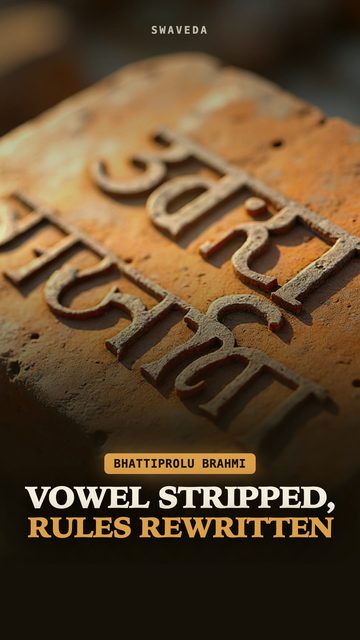
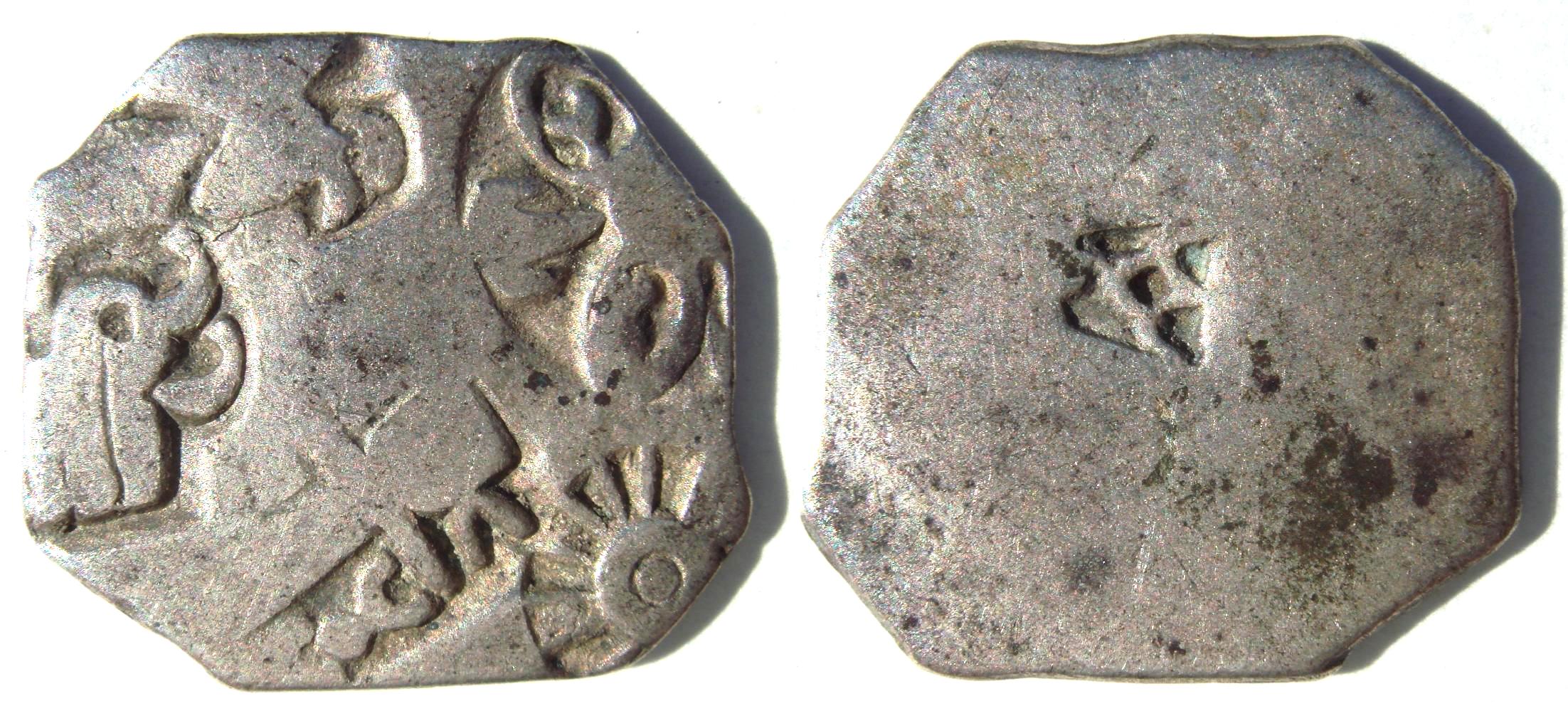
How 19th-century scholars unlocked South Asia's foundational script through bilingual coins, stone inscriptions, and cross-linguistic analysis, laying the groundwork for reading ancient Indian history.
A philological examination of medieval Sanskrit epigraphy and court literature reveals how non-elite fort populations were classified and treated during siege capitulations.
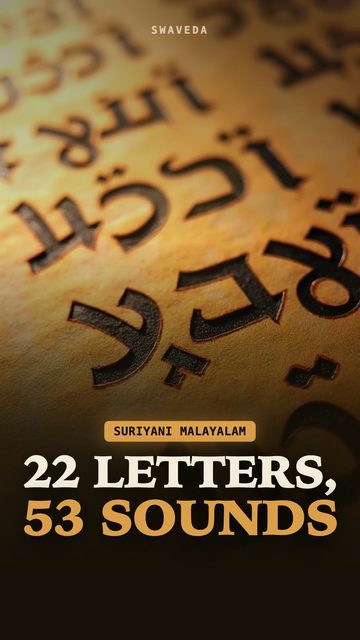
Inscriptions and manuscripts from medieval Malabar document how maritime commerce shaped Dravidian syntax, expanded loanword phonology, and generated Arabi-Malayalam on India's southwestern coast.
At Penukonda Fort, fourteenth-century inscriptions from Bukka Raya I’s reign show how early Vijayanagara rulers deployed Sanskrit, Kannada, and Telugu scripts to execute a deliberate political transition.
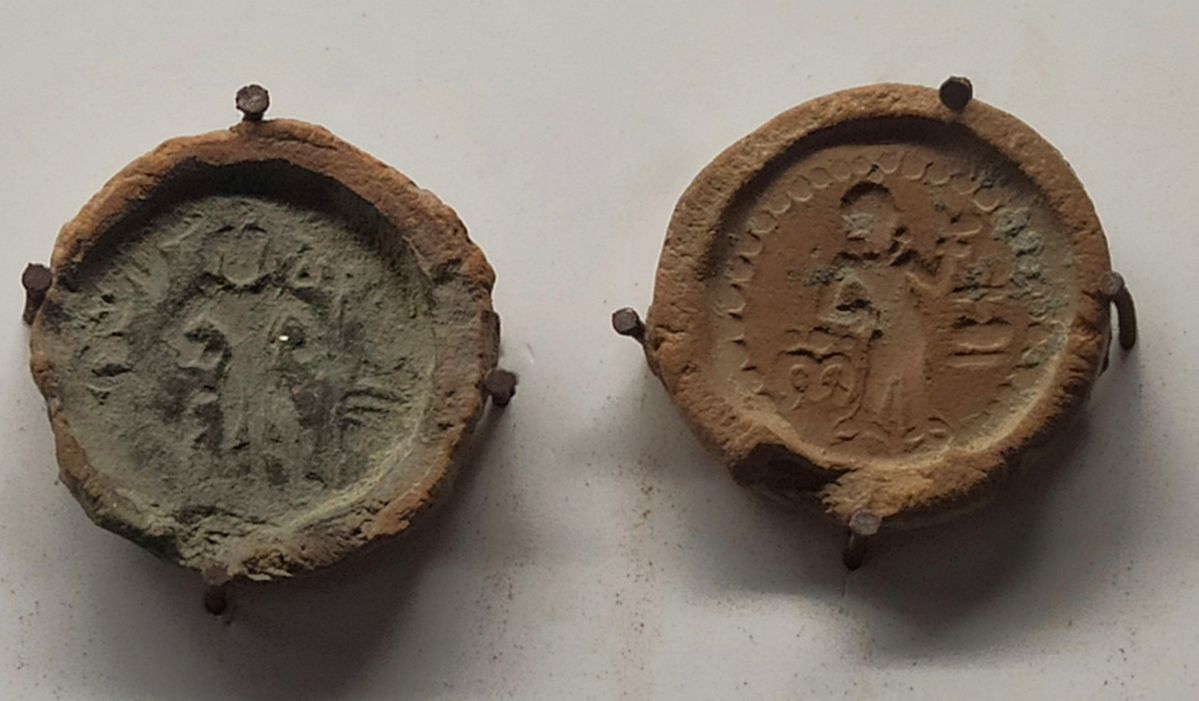
Inscribed reliquaries from Andhra Pradesh present a distinct script adaptation. Archaeological and epigraphic evidence shows how early southern literacy developed along eastern coastal trade routes.
Microbotanical starch grain analysis at Harappan sites like Farmana sheds new light on Rigvedic Sanskrit yava, resolving translation debates across Griffith, Doniger, and Jamison-Brereton.
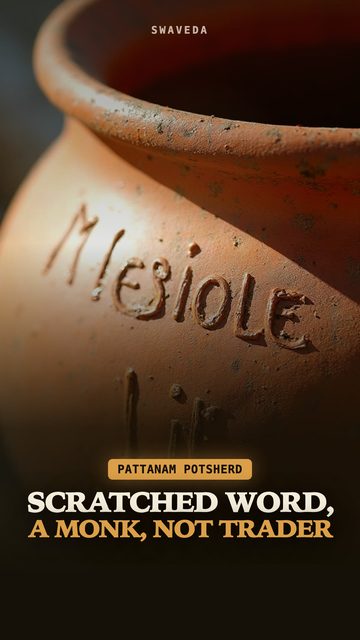
Tamil-Brahmi ceramic graffiti and Mediterranean amphorae at Kerala's Pattanam site show how Dravidian sailors and foreign traders shared a maritime vocabulary in the early Indian Ocean trade.
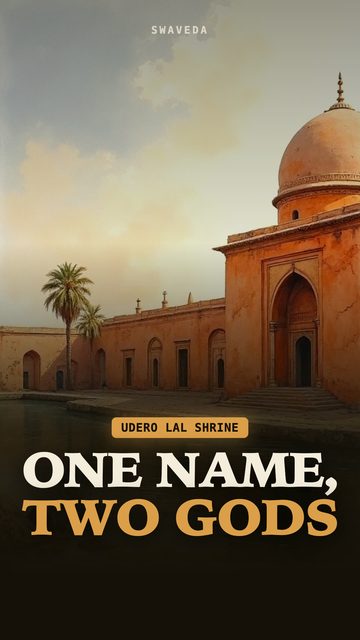
Examining medieval Sindhi, Persian, and Sanskrit textual references reveals how epithets for Khwaja Khizr and Jhulelal evolved alongside shared Indus water worship, preserving older river cults across scripts.
Recent anthracological charcoal analyses from Kodumanal and Keeladi are helping historical linguists cross-check ancient Tamil botanical terms for dry-zone flora, shedding light on early South Indian ecology.
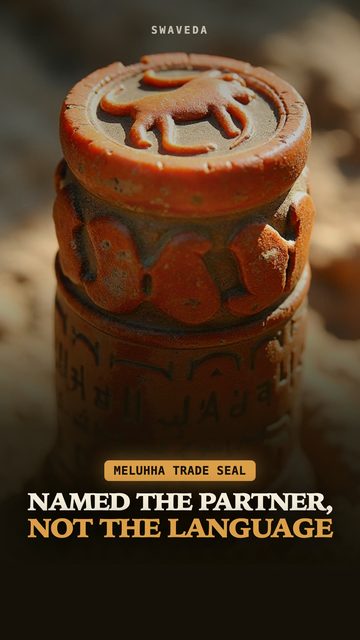
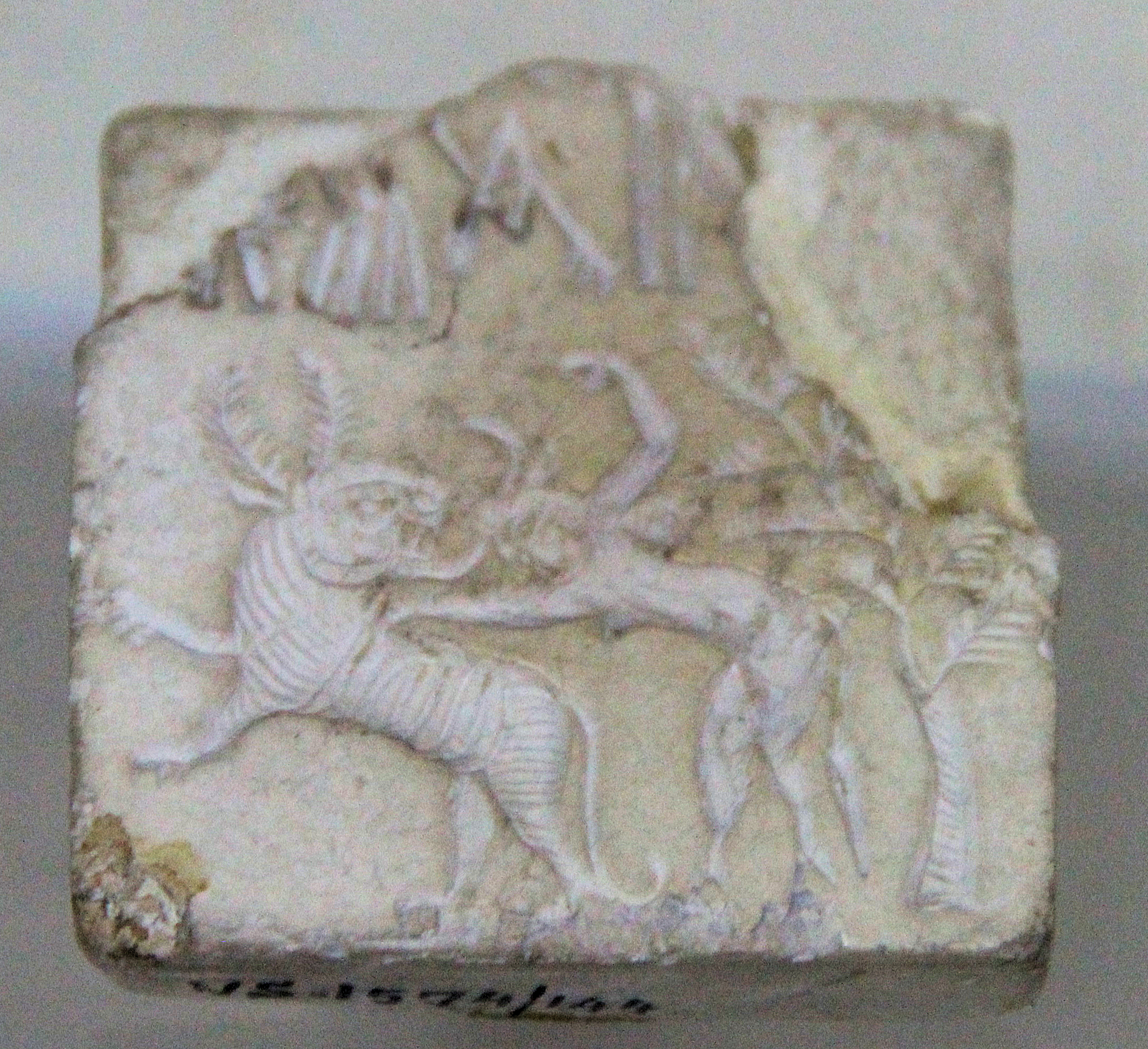
Cuneiform archives from Mesopotamia confirm Meluhhan trade enclaves, offering epigraphers a stratigraphical path to find bilingual texts while debates persist over whether the Indus script is true language.
A re-evaluation of Pyu inscriptions at Sriksetra reveals how early Southeast Asian scribes adopted Sanskrit administrative titles alongside Pali liturgies across fifth-century brick monuments.
A linguistic and archaeological look at the Rigvedic weaving term 'ōtu' and its potential Dravidian origins, shedding light on Bronze Age technology transfer in the ancient northwestern subcontinent.
How did medieval Indian temple architects balance geometric rules with creative designs? Philological analysis of the word 'kūṭa' reveals how a simple Sanskrit noun transformed into a complex architectural module.
An etymological analysis of the Sanskrit term aśva (horse) alongside Avestan and Tocharian cognates reveals the deep history of Bronze Age Indo-Iranian migrations and chariot technology.
How Tamil trade words preserved in Tang and Song dynasty administrative records reveal the highly organized, state-backed commercial networks of early medieval South Indian merchant guilds.
A philological investigation into how the iconic South Indian bronze Śiva transitioned from the Tamil "Āḍavallān" to the Sanskritized "Naṭarāja" through late medieval Āgamic codification.
Linguistic and epigraphic analysis of Old Tamil loanwords in early Malay and Thai inscriptions provides concrete physical evidence of the botanical and administrative commodities traded by early merchants.
How a linguistic link between the Sanskrit 'ibha' and Ancient Egyptian 'ābu' maps onto Bronze Age ivory trade networks from the Indus Valley.
An analysis of the bilingual Kandahar inscription, exploring how Maurya scribes translated Prakrit concepts like Dharma into Greek philosophy and Aramaic statecraft terms at the empire's western frontier.
An analysis of a first-century CE Tamil-Brahmi inscription found on an Egyptian storage jar, revealing the personal stories of early Indian merchants trading in the Roman Empire.
Rigveda 10.75 names 21 rivers, but the geography doesn't match classical India. Scholars debate whether the Saraswati was drying or mythologized. Here's what the text actually lists.
The Rigveda doesn’t name cotton—but later Sanskrit karpāsa does, borrowed from Dravidian. Linguistics and archaeology show how cotton entered the Indic world via southern merchants, not Vedic herders.
The Nadistuti (RV 10.75) lists 21 rivers. The Sarasvati appears—but not where tradition places it. What does the text actually say, and how do we know?
An analysis of the 1792 Treaty of Betrawati's bilingual Sanskrit and Tibetan text reveals how Gorkha court scribes used classical legal terminology to negotiate peace with the Qing dynasty.
How a word for cotton traveled from ancient Austroasiatic speakers to Sanskrit and the Hebrew Bible, mapping the oldest maritime trade routes of the Indian Ocean.
An analysis of classical Sanskrit dramas by Kalidasa and Bhasa reveals that their literary itineraries closely mirror the actual archaeological trade routes of Gupta-era India.
A philological analysis of the compound adhivāsanasīla in the Sabbāsava Sutta, revealing how early Buddhist texts framed the patient endurance of physical pain and verbal abuse without retaliation.
An analysis of Gāndhārī donor formulas like 'danamuha' and 'deyadhaṃma' reveals how different social classes of merchants and monastics funded the expansion of Buddhism along Kushan trade routes.
An investigation into how early Tamil grammatical texts describing the mekhala (waist-girdle) align with physical bronze artifacts excavated at the Iron Age site of Adichanallur.
A browser game about guessing ancient art media reveals a real linguistic divide: Sanskrit built precise technical words for sculpture, while early Tamil described objects, not the craft of making them.
A philological reading of the Rigveda's horse-sacrifice hymn, checked line by line against the horse bones actually dug up at Sintashta and Pirak.
Burushaski, a language with no known relatives, survives in Pakistan's Karakoram valleys. Geography helped — but genetics and history suggest the story is more tangled than "isolation did it."
How the words "tea" and "cha" split the global map, tracing ancient trade routes, Dutch maritime voyages, and British colonial interventions in India.
The Pali word bhāvanā gets flattened into "meditation" in most English translations. Reading it across the Majjhima Nikāya and the Satipaṭṭhāna Sutta shows a much wider idea: cultivation, not just sitting still.
Sanskrit's itihasa didn't mean "history" as evidence-based inquiry — it meant "thus indeed it was," a genre of received tradition historian Romila Thapar says demands its own reading.
A philological investigation into how ancient Sanskrit terms for bathing, from Vedic snāna to classical tīrtha, evolved from simple physical washing to complex spiritual crossings.
Khariboli, the working language of Delhi's bazaars, became the foundation for two national languages — through Mughal court politics, British policy, and 19th-century reformers.
We examine the intersection of geological satellite evidence and the literary descriptions of the Sarasvati River found in the Rigveda.
After the 1565 Battle of Talikota, Deccan inscriptions reveal a shift from traditional Vijayanagara terminology to Persianized administrative titles, marking a new era of hybrid statecraft.
Historians examine how the Persian tārīkh and Kannada campū kāvya shaped regional identity and caste narratives during the volatile eighteenth century in Karnatak.
Tamil-Brahmi inscriptions found at coastal sites provide concrete evidence of organized trade guilds linking the Indian peninsula to the Mediterranean from the 3rd century BCE to the 3rd century CE.
How did early Buddhists move the word of the Buddha from mind to manuscript? A look at the historical evidence for the transition from oral recitation to written scripture.
Scholars analyze the shifting geography of the Ghaggar-Hakra paleochannel to determine if it aligns with the Saraswati river described in early Sanskrit hymns.
Tracing the shift from the Vedic 'rajan' to the medieval 'samanta' reveals how Sanskrit and Prakrit vocabulary maps the transformation of power from tribal consensus to hierarchical land-based rule.
Tracing the linguistic evolution of 'karman' from early Vedic ritual mechanics to the moralized doctrine of rebirth found in later philosophical texts.
Shah Muhammad’s Jangnama offers a visceral, contemporary perspective on the First Anglo-Sikh War, balancing the cold administrative records of the British East India Company with the emotional stakes of the era.
An Android keyboard for the Brahmi script, ancestor to many South Asian writing systems, aims to bridge ancient history and modern technology, making India's linguistic heritage more accessible.
Explore the etymological journey of 'karma,' tracing its evolution from an ancient Sanskrit term for action to its profound philosophical and moral significance in Indian traditions.
A fresh look at North Indian history moves beyond dominant narratives, exploring how linguistic analysis and textual evidence can reveal the lives and contributions of lesser-known figures and regional communities.
Scholars debate the origins of Chanakya, Chandragupta Maurya's advisor. Linguistic and textual clues fuel competing hypotheses about his ethnic and geographical background.
Examining the historical and linguistic origins of 'Rajputana,' this article investigates whether the name predates British rule or was a colonial construct.
Explore how ancient India's invention of zero and the decimal system fundamentally reshaped mathematics, science, and commerce worldwide, tracing its journey through linguistic and historical evidence.
Beyond common words lies a vast, unexplored linguistic world in India. This article uses an iceberg metaphor to reveal the hidden complexities of etymology, language families, and ancient connections.
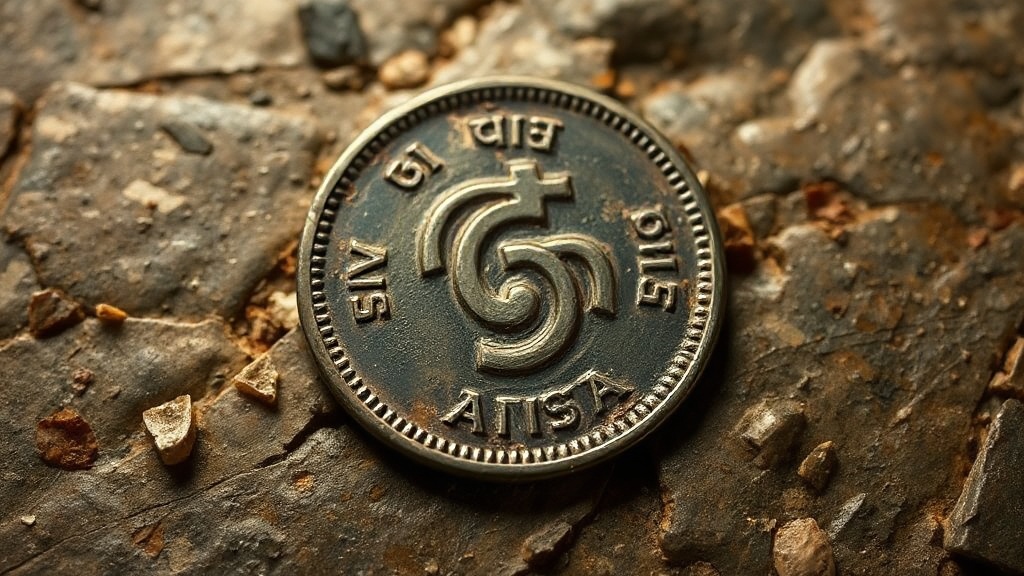
An examination of a pre-1953 One Paisha coin bearing Bengali script reveals crucial insights into Bengal's monetary history and linguistic evolution before the creation of Bangladesh.
Exploring the etymology of 'guru,' this article traces its journey from a Proto-Indo-European word for 'heavy' to its profound spiritual connotation in Sanskrit, revealing parallels in other Indo-European languages.
An exploration into the traditional claims of Bhargava Brahmin authorship of the Mahabharata, examining textual clues and scholarly perspectives.
The Tangut language, known from its unique script, offers a compelling case study for understanding how historical linguistics reconstructs language families and their relationships.
Examining early Sanskrit texts shows 'karma' shifted from ritual action to a principle of ethical consequence, a transformation rooted in linguistic shifts and philosophical development.
Examining loanwords in ancient Indian maritime texts reveals a complex linguistic history, pointing to extensive trade and cultural exchanges with Southeast Asia and beyond.
Debates over the Burmo-Qiangic language family highlight the need for strict methodology, offering lessons for resolving similar historical linguistic puzzles in ancient India.
Paleochannel studies confirm the Ghaggar-Hakra shrank after tectonic shifts, but the river persisted in reduced form into the first millennium BCE—making desiccation a poor clock for dating Vedic hymns.
The 2014 Jamison-Brereton Rigveda translation renders a key compound in the Purūravas-Urvaśī dialogue as a description of weeping rather than a name, turning on sandhi resolution.
Oxford linguist John Lowe's 2015 study applies modern formal analysis to thousands of Rigvedic participles, overturning traditional grammatical categories—showing how methodology can reshape what we know.
The Rigveda contains roughly 300 words from Dravidian, Munda, and unknown substrate languages. Scholars debate which words, what they reveal about contact, and what happens when you read past the familiar loanword lists.
Grierson's 1898–1928 survey found 179 languages. Today's counts range from 325 to 19,500. The gap reflects methodology, not error.
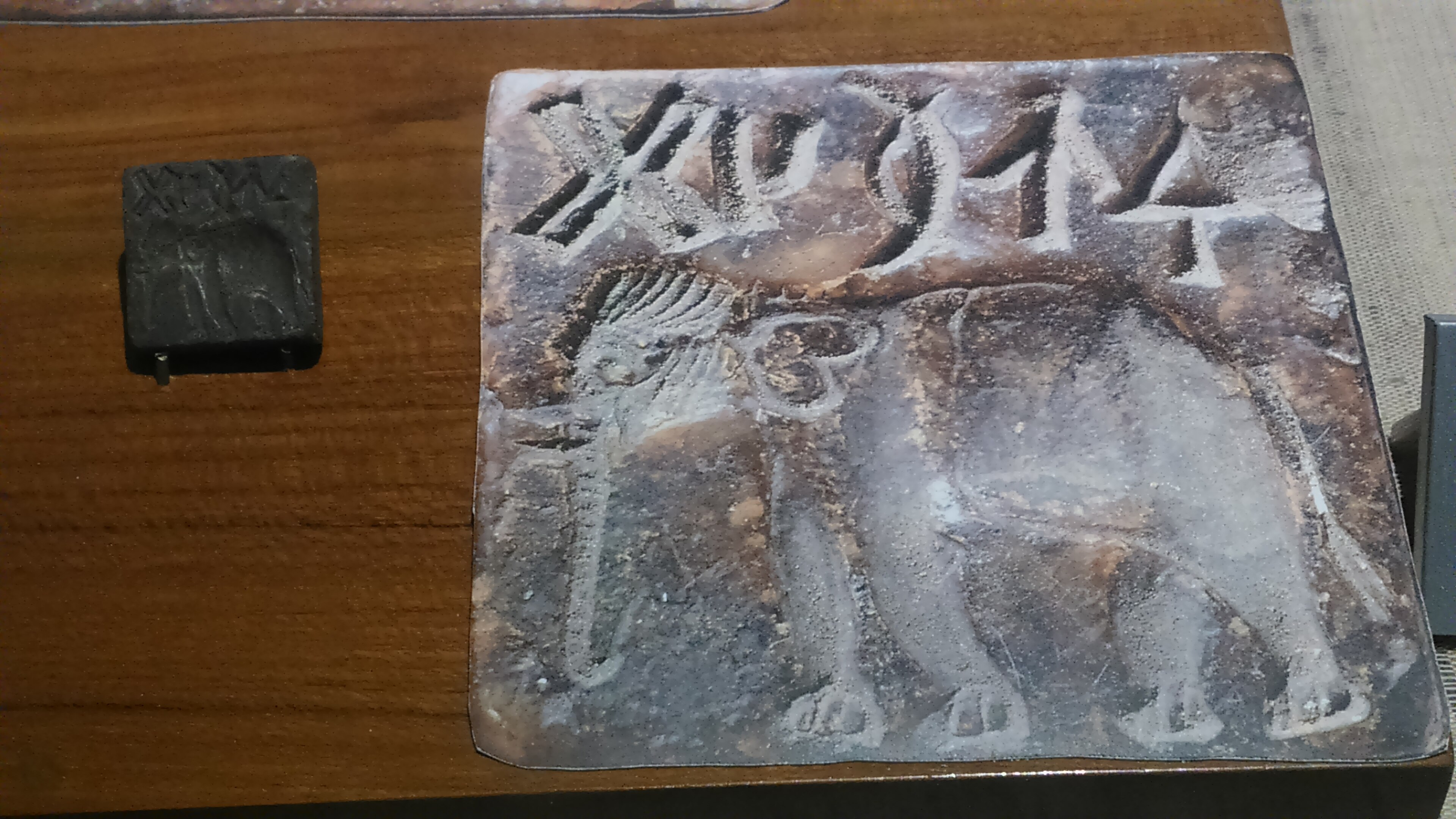
The Indus Valley Script remains undeciphered because scholars disagree on what it records: one language, multiple dialects, or no language at all. New computational methods may help test whether seal variations reflect real linguistic difference.