The Agrarian Inscriptions: Epigraphic Evidence for Kakatiya Social Identity and Elite Varna Claims
Twelfth- and thirteenth-century epigraphs from the Deccan reveal that Kakatiya monarchs and their subordinate chiefs proudly claimed Shudra lineage, deriving sovereign authority from agrarian and martial power.

Devika Menon for SwavedaOctober 25, 2026
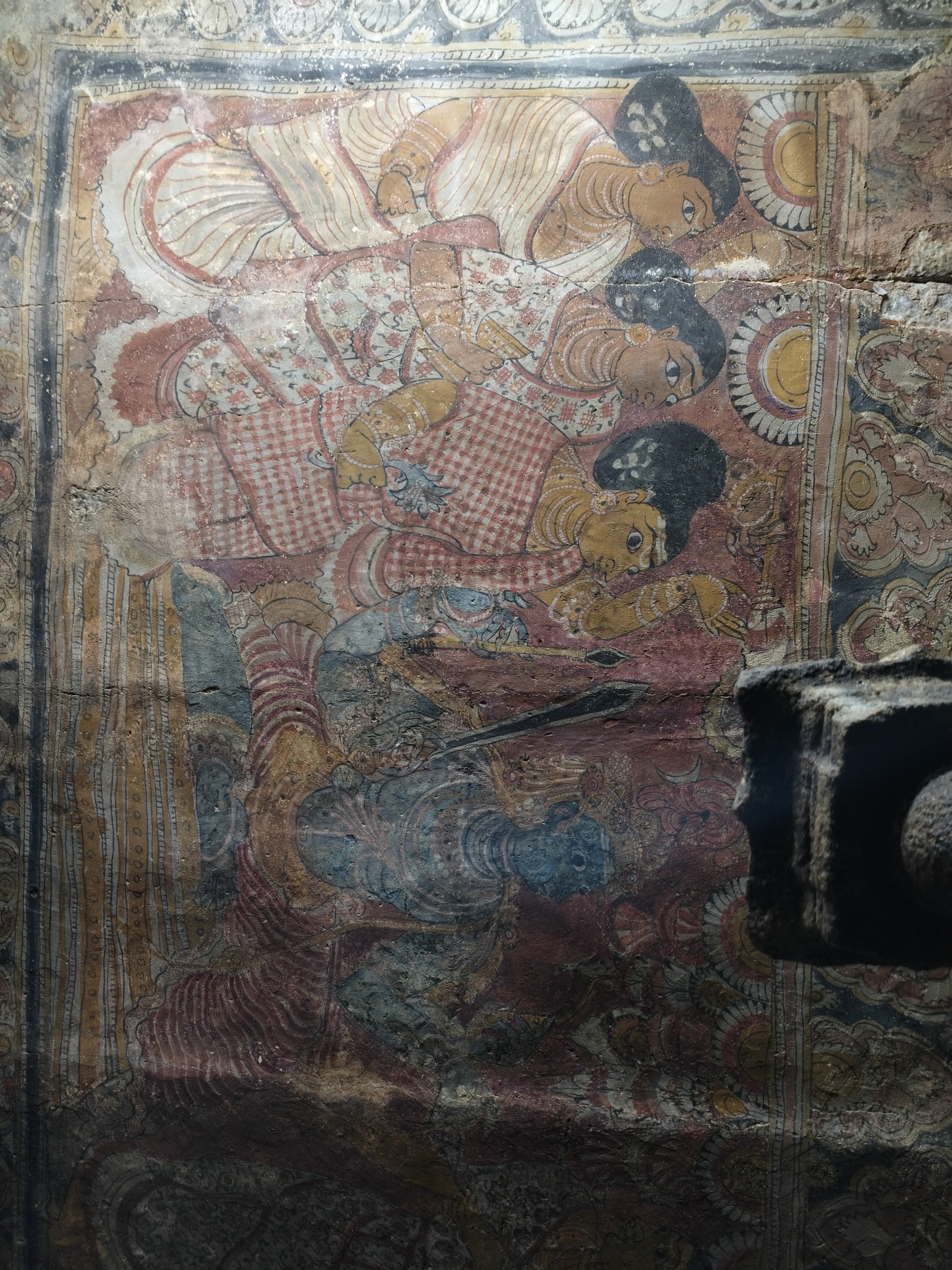
While imperial court literature in early medieval India routinely manufactured solar or lunar Kshatriya (warrior-ruler varna) origins for newly powerful sovereigns, the epigraphic record of the Deccan paints a sharply different picture for the Kakatiya dynasty (Wikipedia). Across the twelfth and thirteenth centuries, rulers operating in modern Telangana and Andhra Pradesh—along with their subordinate chiefs—engraved stone stelae and copper-plate charters that unhesitatingly identified their lineage as Shudra (the fourth varna, traditionally associated with agrarian labor) (Wisdom Library).
Rather than treating Shudra status as a socio-religious handicap to be concealed through elaborate Brahmanical myths, Kakatiya epigraphs framed agrarian labor, martial skill, and control over hydraulic infrastructure as the true bedrock of political sovereignty (Testbook).
The Epigraphic Voice of the Peasant-Warrior
Epigraphic evidence shows that early Kakatiya monarchs traced their descent to a legendary progenitor named Durjaya (Wikipedia). In charters across the eastern Deccan, lineages claiming descent from Durjaya explicitly categorized themselves within the fourth varna (MCRHRDI).
In the Bothpur and Vaddamanu stone inscriptions issued by Malyala Gunda senani (military commander), a prominent general under King Ganapatideva, the general proudly details his master's and his own roots in the Shudra varna (Scribd). The stelae describe the fourth varna not as a subordinate social tier, but as a noble order born from the feet of the creator god Brahma, responsible for sustaining the world through agriculture and defending it through arms (Wikipedia).
The Bayyaram tank inscription, commissioned by Ganapatideva's sister Mailamba, provides a similar genealogical breakdown (MCRHRDI). It records the marital alliances between the Kakatiyas and other prominent landholding elite families, including the Natavadi and Kota chiefs (Scribd). Epigraphists note that these networks operated squarely within non-Brahmanical, non-Kshatriya social groups who maintained firm control over regional land rights (Scribd).
Historians like Cynthia Talbot have demonstrated that in actual practice, social rank in medieval Andhra was not dictated by rigid orthodox text models, but by local jati (occupational community) identities and political achievements (Scribd). Peasant-warriors who earned military titles like nayaka (leader/commander) or local landed status like reddi (village headman/landholder) accumulated vast socio-economic power (Wikipedia). Their self-representation in public records celebrated this functional authority without needing to adopt artificial Kshatriya genealogies.
Hydraulic Infrastructure and Sovereignty
The political legitimation of these Shudra monarchs was intimately tied to agrarian expansion. The dry plateau geography of the inland Deccan required massive capital investments in irrigation to sustain permanent agriculture (ResearchGate). Kakatiya sovereigns and their subordinate Reddi chiefs commissioned expansive earthen reservoirs across Telangana (GKToday).
Inscriptions carved directly onto temple mandapas (pillared halls) or stelae set beside these reservoirs record gifts of land, water rights, and tax remissions (Scribd). By constructing artificial lakes like Pakhal, Ramappa, and Bayyaram, the rulers converted dry scrublands into fertile paddy fields (Testbook).
The famous Motupalli pillar charter (abhaya-sasana, or charter of protection), issued by Ganapatideva at the port of Motupalli, further illustrates how state authority was expressed through economic security (99Notes). Carved in both Telugu and Sanskrit scripts, the inscription assured foreign sea-borne merchants that their cargoes would not be seized in the event of shipwrecks and fixed standardized customs duties on imports like horses and silk (99Notes) (Medium).
Contextualizing the Dual Registers
Evidence shows that exceptions to this Shudra identity claim do exist in the Kakatiya corpus, but they appear primarily in specific ritual contexts (Wikipedia). A minor subset of copper-plate grants—specifically those documenting land gifts directly to Brahmins (priestly class)—incorporate classical Sanskrit prasastis (eulogies) that link the ruling family to the mythical Suryavamsa (Solar dynasty) (Pragyata).
Scholars debate whether these occasional Kshatriya claims represented an actual attempt at varna reclassification or merely reflected the standard literary conventions (kavya) employed by Brahmin court poets drafting grants in Sanskrit (Scribd) (Pragyata). The overwhelming majority of stone inscriptions—placed publicly in village square temples and along trade corridors—continue to record their non-Kshatriya status (Wikipedia).
This duality highlights the distinction between textual Sanskrit theory and regional epigraphic reality in premodern India (Scribd). For the Kakatiya state and its allied chiefdoms, public identity was anchored in agrarian strength, warrior mobility, and local political networks rather than orthodox lineage validation (Scribd).