The Ivories of Chanhudaro: What the Word for Elephant Reveals About Pre-Indo-Aryan Trade
How a linguistic link between the Sanskrit 'ibha' and Ancient Egyptian 'ābu' maps onto Bronze Age ivory trade networks from the Indus Valley.

Asha Naidu for SwavedaSeptember 12, 2026
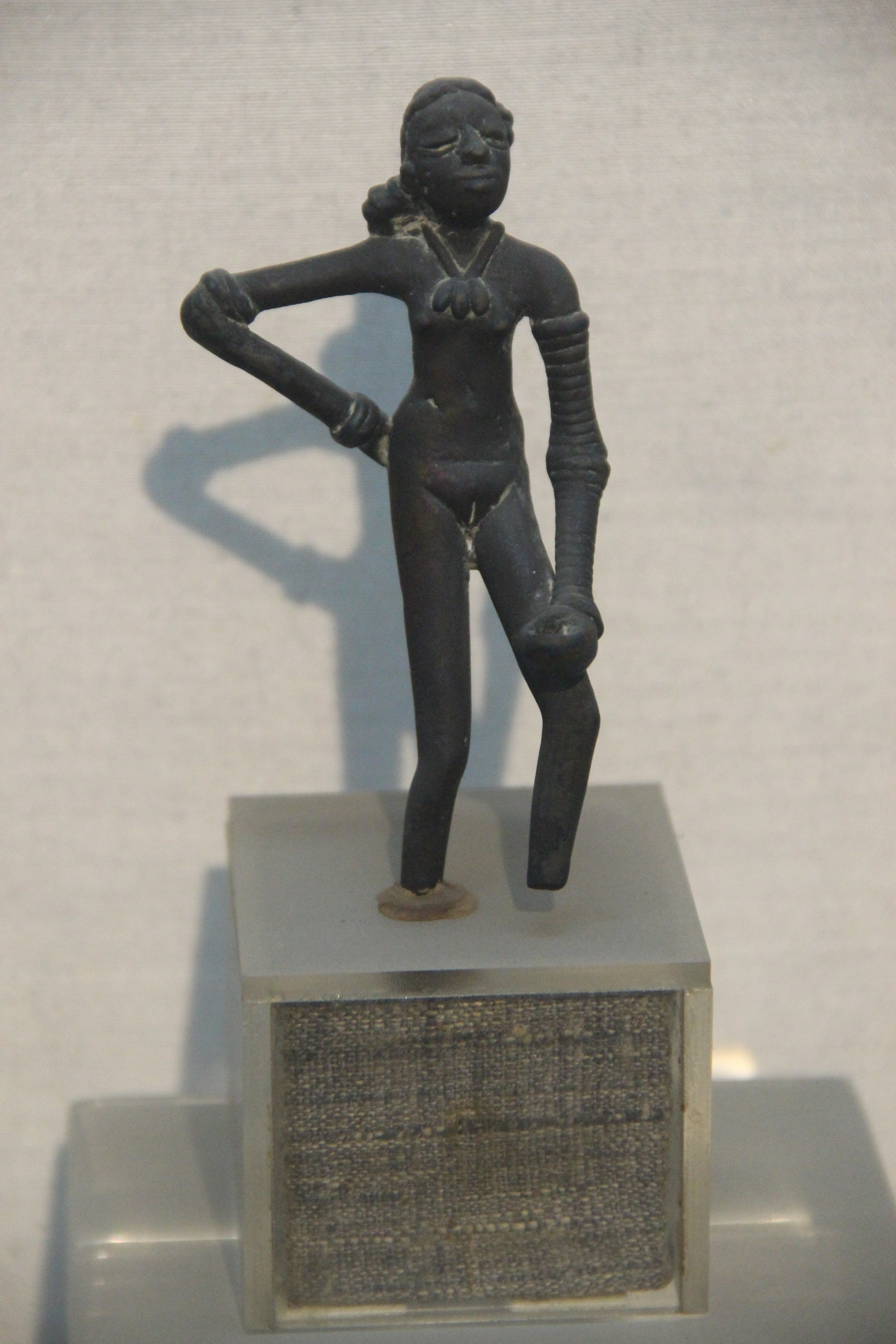
The ancient workshop at Chanhudaro, a major settlement of the Indus Valley Civilization in modern-day Pakistan, left behind clear evidence of a specialized industry. Archaeology shows that craftspeople at this site sliced, filed, and carved elephant tusks into beads, pins, gamesmen, and intricate plaques. Yet, while the physical remnants of this ivory industry are preserved in the soil, the language spoken by these artisans remains undeciphered.
To understand how these craftspeople interacted with the wider Bronze Age world, historical linguists look to the vocabulary of neighboring civilizations and the texts of the people who succeeded the Indus scribes. A single word for elephant—ibha (elephant) in Sanskrit—offers a vital clue. The distribution of this word across ancient Afro-Asiatic and Indo-European languages suggests a shared Bronze Age trade jargon that likely originated in the urban centers of the Indus Valley.
The Etymology of Ivory
In the Rigveda (the oldest sacred text of Hinduism, composed in Sanskrit), the word ibha appears sparingly, often referring to the animal itself or the household of a wealthy patron. Linguists have long noted that ibha has no clear Indo-European etymology. It does not share roots with the standard Indo-European words for elephant, such as the Greek elephas (elephant). Instead, it closely matches terms found in ancient languages of North Africa and the Near East.
In Ancient Egyptian, the word for elephant and ivory is ābu (elephant/ivory). In Semitic languages, we find cognates like the Hebrew šenhav (ivory), which is a compound of šen (tooth) and hav (elephant). The hav portion is widely understood by linguists to be a loanword from the same root as ābu and ibha.
The presence of this phonetic root across three distinct language families—Indo-European (Sanskrit), Afro-Asiatic (Ancient Egyptian), and Semitic (Hebrew)—points to a common source. Because the wild elephant was native to India and Africa, but not to the fertile crescent of the Near East, the word likely traveled along trade routes alongside the highly valued ivory itself.
The Archaeology of Indus Ivory
Evidence shows that the Indus Valley Civilization was a primary exporter of ivory to Mesopotamia and Western Asia during the third millennium BCE. Mesopotamian cuneiform records from the Akkadian Empire list ivory among the luxury goods imported from Meluhha (the Mesopotamian term for the Indus region).
Archaeological excavations at Chanhudaro have uncovered specialized copper saws and abrasive stones used to process raw tusks. Finished ivory products, including comb fragments and Kohl pots (eyeliner containers), have been found not only in the Indus plains but also in royal tombs in Mesopotamia and the Persian Gulf.
This vast trade network required a shared vocabulary. When Middle Eastern merchants purchased ivory from Meluhhan traders, they likely adopted the local word for the source animal. Scholars debate whether the word ibha was the native Indus word for elephant, or if it represents a Sanskrit adaptation of a pre-Indo-Aryan substrate language spoken by the Harappans.
⚖ Scholarly Debate: Indo-Aryan Origins and Linguistic Substrates
The linguistic relationship between Sanskrit speakers and the Indus Valley Civilization remains a subject of intense academic discussion.
One school of thought, representing the conventional consensus in historical linguistics, holds that Indo-Aryan languages originated among pastoralist communities in Central Asia and entered the Indian subcontinent during the second millennium BCE. According to this model, migrating Indo-Aryan speakers encountered remnants of the Indus Valley population and absorbed many of their words. These absorbed terms are known as substrate words. In this view, ibha is a Dravidian or Harappan loanword adopted into Sanskrit.
A competing model, often referred to as the Out-of-India hypothesis, suggests that Indo-Aryan languages are indigenous to the Indian subcontinent and were spoken by the builders of the Indus Valley Civilization. Proponents of this view argue that ibha is an organic Sanskrit word that was exported westward to Egypt and Mesopotamia through trade, rather than a foreign word adopted by migrating pastoralists.
However, many linguists point out that the Sanskrit word ibha coexists in early texts with another, more descriptive term: hastin (the one with a hand, referring to the trunk). The descriptive nature of hastin suggests that when Indo-Aryan speakers first encountered the elephant, they coined a new term based on its physical characteristics, while retaining ibha as a specialized, perhaps commercial, loanword from the indigenous population.
The Trail of the Word
If ibha was indeed a Harappan word, its journey across the ancient world maps perfectly onto the maritime routes of the Bronze Age. From the ports of Gujarat, ships laden with carved ivories from Chanhudaro sailed westward to Oman and Mesopotamia.
Through these ports, the word traveled inland, eventually entering the vocabularies of Egyptian scribes and Levantine merchants. The physical ivory survived in the ruins of palaces and tombs, but the word itself survived in the texts of the Rigveda and the bilingual records of the ancient Near East, preserving the echo of India's earliest international trade.