The Lexicon of Retainers: What Medieval Epigraphy and Sanskrit Texts Reveal About Non-Royal Fort Inhabitants
A philological examination of medieval Sanskrit epigraphy and court literature reveals how non-elite fort populations were classified and treated during siege capitulations.

Meera Iyer for SwavedaOctober 17, 2026
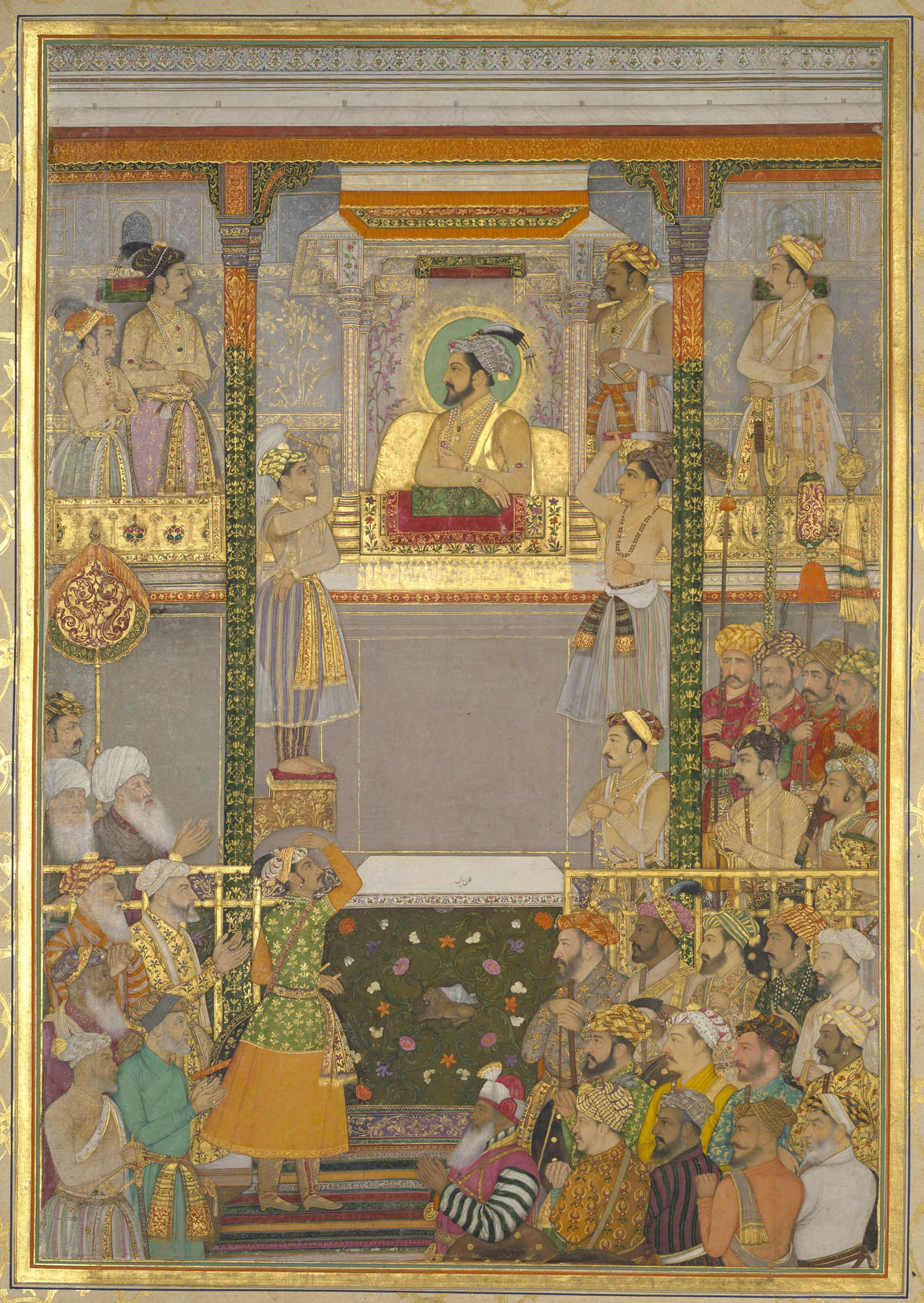
In popular memory, the siege literature of medieval South Asia centers almost exclusively on royal figures—specifically elite ranī (queen) figures and high-caste Rajputs facing military defeat. Popular accounts of events at Chittorgarh and Ranthambore frequently elevate royal self-immolation (jauhar) into an overarching narrative of caste honor and collective martyrdom. However, medieval epigraphical records, court chronicles, and Sanskrit administrative texts document a far broader social hierarchy within garrison walls, using precise vocabulary to distinguish elite rulers from the service classes living alongside them.
A close reading of Sanskrit inscriptions and court literature shows that medieval scribes and chroniclers maintained strict terminology when recording siege conditions, garrison censuses, and capitulation terms. Understanding how these texts treated non-royal fort inhabitants requires examining the specific vocabulary preserved in the epigraphic record.
The Vocabulary of Dependence: Dāsī and Parijana
In Sanskrit and vernacular court texts, non-elite fort populations were categorized using distinct legal and social terms. Primary among these were dāsī (दासी, female dependent or bonded servant) and parijana (परिजन, household retinue or entourage).
The compound word parijana derives from the Sanskrit root jan (जन, to generate or produce) with the prefix pari- (परि-, around or surrounding). In classical and early modern administrative Sanskrit, parijana does not signify blood relatives or high-status courtiers. Instead, it denotes the surrounding operational personnel necessary for maintaining a royal household: cooks, water-bearers, grooms, guards, and domestic attendants.
Similarly, the term dāsī (दासी)—often loosely translated as "handmaid" in Victorian-era colonial translations—carries a specific structural meaning in medieval legal and epigraphic contexts. As historian Ramya Sreenivasan notes in her research on gender and servitude in early modern South Asia, female servitude among elite households comprised various tiers of non-free labor, including both indigenous dependents and domestic captives.
When medieval charters and inscriptions list the contents of a fort or royal estate, they systematically distinguish between rājaputra (राजपुत्र, king’s son or nobleman) and the broader category of parijana-dāsī-dāsa (retinue, female dependents, and male dependents). This distinction was not merely stylistic; it reflected strict social stratification regarding who participated in formal court rituals and who was treated as property or operational personnel during military surrenders.
Ritual Immolation Versus Captivity
The ritual of jauhar (जौहर)—the collective self-immolation performed prior to an impending defeat—is described in modern historical summaries as an act undertaken primarily by high-caste Rajput women to avoid capture and protect caste purity (Britannica). The accompanying final fight to the death by male warriors was known as śāka (शाक) or saka (Britannica).
Evidence shows that while royal women and high-status court figures were expected to participate in jauhar, non-royal retainers (parijana) and domestic dependents (dāsī) occupied an ambiguous legal and social position during sieges. Research published in the International Journal for Multidisciplinary Research demonstrates that jauhar functioned as a ritual explicitly tied to caste honor and elite lineage.
In many siege accounts, non-elite populations inside the fort—such as artisans, cooks, armorers, and low-caste service workers—were not included in the immolation rituals. Instead, upon the fall of a fortress, these non-elite groups were subjected to capture, enslavement, or redistribution among the victorious forces as spoils of war.
Scholars debate the extent to which domestic retainers voluntarily joined royal women on the pyre or were forced into immolation alongside their mistresses. Epigraphic records of memorial stones (devlī or satī-somb) erected after sieges overwhelmingly name high-status queens or noblewomen, while domestic attendants are either omitted entirely or listed anonymously as collective retainers (parijana) attached to a royal house.
Textual Evolution: From Court Records to Romantic Epic
The literary representation of non-royal fort inhabitants underwent significant shifts over time. Contemporary 14th-century Persian chronicles, such as Amir Khusrau’s Khazain-ul-Futuh, record the siege of Ranthambore (1301 CE) and Chittorgarh (1303 CE) with an emphasis on the acquisition of booty and captives following the fall of the strongholds (Wikiquote).
By contrast, 16th-century vernacular narratives like Malik Muhammad Jayasi's Sufi epic Padmavat—and later 17th-century Rajput bardic chronicles (khyāt)—retold these sieges through the lens of romanticized heroic virtue (Wikipedia). In her study The Many Lives of a Rajput Queen, historian Ramya Sreenivasan demonstrates how these later narratives flattened complex social realities, absorbing non-elite retainers into idealized depictions of feudal devotion.
In bardic narratives, the dāsī is frequently portrayed as a fiercely loyal companion who willingly follows her queen into fire. However, epigraphic and legal texts from the same period reveal that the legal status of dāsī status involved structural bondage, making autonomy in such decisions historically improbable.
By examining the specific terms used in epigraphy and administrative literature, historians can differentiate the historical reality of non-royal fort inhabitants—who faced capture, forced labor, and social marginalization—from the literary conventions of later epic romanticization.