The Epistolary Veneration of Tipu Sultan: What the Sanskrit and Kannada Letters of Sringeri Reveal About Political Legitimacy
Primary-source epistles exchanged between Tipu Sultan and the Sringeri Sharada Peetham reveal how classical Sanskrit chancery protocols were deployed to secure political legitimacy following the 1791 Maratha raid.

Meera Iyer for SwavedaOctober 18, 2026
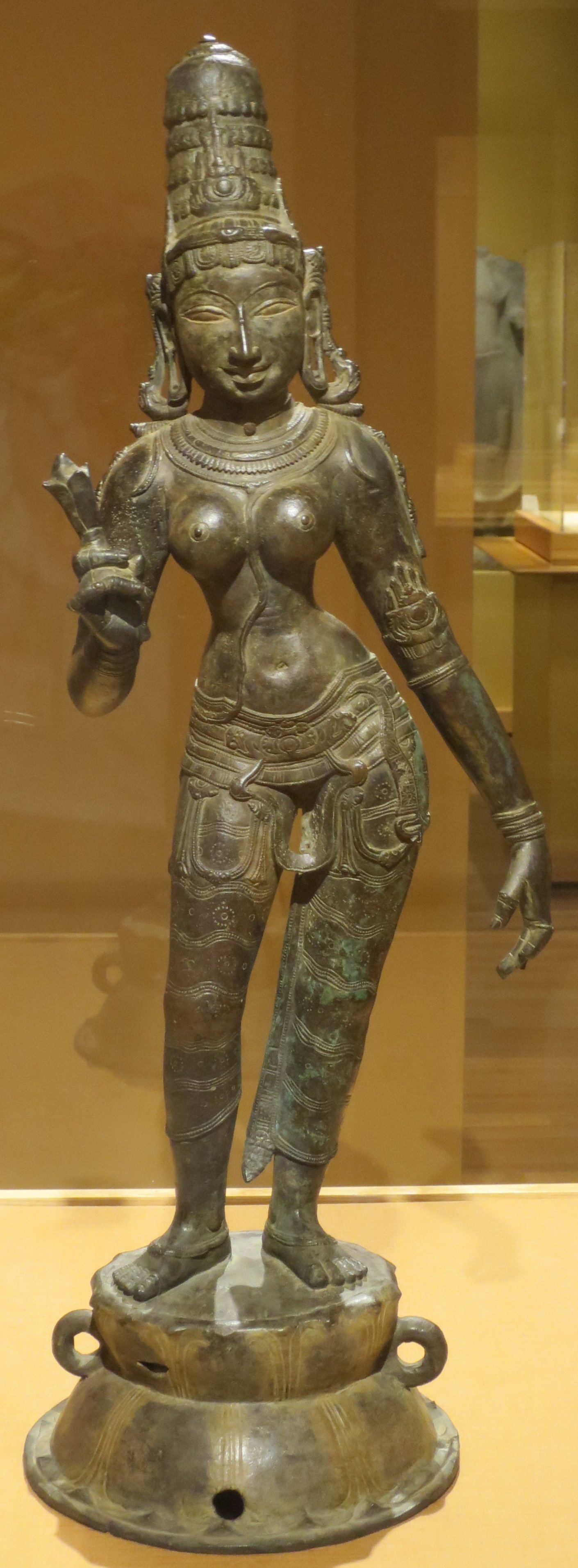
In 1791, during the Third Anglo-Mysore War, irregular horsemen affiliated with the Maratha commander Parshuram Bhau raided the monastic town of Sringeri in the Western Ghats. The invaders plundered the treasury of the Sringeri Sharada Peetham (śrī-śṛṅgagiri-maṭha), desecrated the main shrine, killed resident Brahmins, and forced the thirty-third pontiff, Sri Sacchidananda Bharati III (who reigned from 1770 to 1814), to flee south to Karkala. Following the retreat of the raiders, the pontiff sent an urgent appeal to the ruler of Mysore, Tipu Sultan.
The exchange of letters (śāsana) that followed between 1791 and 1798—preserved in the archives of the monastery and documented in epigraphical surveys—presents a case study in late eighteenth-century South Indian chancery diplomacy. Between these years, Tipu Sultan issued dozens of royal letters written in Kannada and interspersed with classical Sanskrit epistolary formulas. Rather than treating these documents through modern ideological frameworks, reading their exact philological construction reveals how an 18th-century Muslim sovereign adopted the textual registers of classical Indic statecraft to assert sovereign authority over a damaged territory.
The Sanskrit Chancery Formula
The diplomatic exchanges rely on an established Sanskrit protocol for addressing an ascetic head of a monastic seat (pīṭha). In a notable letter written shortly after the 1791 raid, Tipu Sultan addresses the pontiff using formal Sanskrit epithets that had been used by regional chancelleries since the Vijayanagara period:
" श्रीमत्परमहंसपरिव्राजकाचार्यवर्य... "
(śrīmat-paramahaṁsa-parivrājakācārya-varya...)
"To the eminent preceptor who is a supreme swan (paramahaṁsa, an ascetic of the highest order) and a wandering renunciate (parivrājaka)..."
In classical Sanskrit grammar, the compound paramahaṁsa functions as a metaphorical title for an ascetic who has transcended worldly attachments, structured like a karmadhāraya (descriptive compound: paramaḥ ca asau haṁsaḥ ca, "he who is both supreme and a swan"). By addressing the pontiff with this traditional phrase, the Mysore chancery operated directly within the linguistic parameters of classical royal patronage.
The body of the correspondence addresses the moral consequences of temple destruction. Commenting on the Maratha raid, Tipu's scribes incorporated a well-known Sanskrit maxim into the Kannada text:
" हंसद्भिः क्रियते कर्म रुदद्भिः अनुभूयते "
(hasadbhiḥ kriyate karma rudadbhiḥ anubhūyate)
"Deeds committed with laughter are experienced in tears."
In this verse, hasadbhiḥ ("by those laughing") and rudadbhiḥ ("by those weeping") are instrumental plural forms of present active participles derived from the verbal roots has (to laugh) and rud (to weep). The sentence uses a passive grammatical construction (kriyate, "is done"; anubhūyate, "is experienced") typical of classical Sanskrit proverbial literature (subhāṣita). The letter explicitly ties the political fortunes of a state to cosmic order (dharma), asserting that those who violate a holy seat will suffer karmic retribution in the present age (kali-yuga).
Philology of Sovereignty and Sanctity
In a subsequent epistle, Tipu Sultan writes to the Acharya regarding the three pillars that sustain his kingdom:
" Our strength rests upon three sources: the grace of God (īśvara-kṛpā), the blessings of the Jagadguru (jagadguru-āśīrvāda), and the strength of our own arms (bahu-bala). "
The text balances a religious title with political realities. The term jagadguru—a compound (tatpuruṣa) combining jagat ("world") and guru ("teacher")—refers to the universal spiritual preceptor. By framing the Jagadguru’s blessing alongside military power (bahu-bala, literally "arm-strength"), the Mysore state acknowledged the spiritual authority of the monastic seat while positioning the crown as its physical protector.
To address the immediate damage from the Maratha raid, Tipu Sultan granted 400 rahatis (gold coins) alongside grain, cloth, and administrative orders directed to his local official (asaf) at Bednur. The funds were earmarked for re-establishing the image of the goddess Sharada (śāradā-pratiṣṭhāpana) and funding ritual offerings.
       [ Mysore State Chancery ]
                  │
     ( Kannada & Sanskrit Letters )
                  │
                  ▼
    [ Sringeri Sharada Peetham ]
                  │
   ┌──────────────┴──────────────┐
   ▼                             ▼
 Material Grant             Ritual Order
 (400 gold rahatis,         (Sahasracandi Japa
  grain & textiles)          & Yaga ceremonies)
The letters record that the state requested the performance of specific Vedic rituals, including the sahasra-caṇḍī-japa (a thousandfold recitation dedicated to the goddess Caṇḍī) and the śata-caṇḍī-homa (a hundredfold fire ritual). In the chancery's framing, these Vedic rituals served a public purpose: ensuring seasonal rainfall (vṛṣṭi) and maintaining regional prosperity.
The Epigraphical Legacy
The primary documentation for these exchanges was compiled in modern historiography by epigraphers and archival researchers who cataloged the palm-leaf manuscripts (kaḍata) and paper letters retained in the Sringeri archives. Evidence shows that thirty to forty-seven distinct royal letters were exchanged between the Mysore court and Sringeri during this seven-year period.
The texts demonstrate that South Indian political legitimacy in the late eighteenth century relied on precise linguistic conventions. Sovereign authority was established not merely through territorial control, but through formal adherence to established chancery idioms, Sanskrit honorifics, and institutional patronage.