The Palm-Leaf Botanists: What Sangam Terms for Dry-Zone Flora Reveal About Early Dravidian Ecology
Recent anthracological charcoal analyses from Kodumanal and Keeladi are helping historical linguists cross-check ancient Tamil botanical terms for dry-zone flora, shedding light on early South Indian ecology.

Asha Naidu for SwavedaOctober 11, 2026
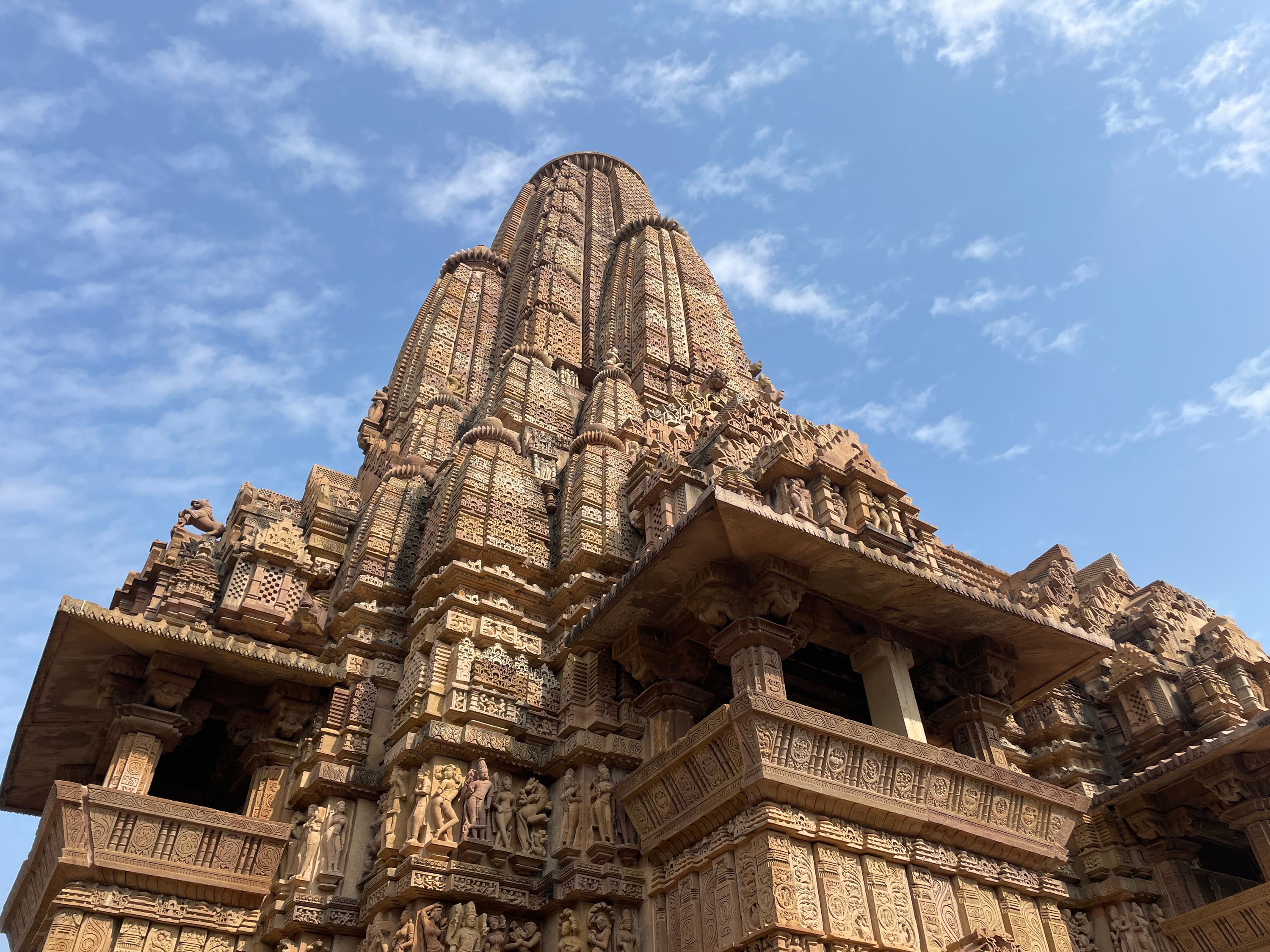
Long before modern ecology cataloged the dry-land flora of the Deccan plateau, early Tamil poets were constructing a systematic landscape typology anchored in local vegetation. In classical Sangam poetry—composed in Early Old Tamil—the universe of human emotion is mapped directly onto geographical zones known as tiṇai (landscape modes). Central to this system are two arid and semi-arid eco-zones: mullai (pastoral forest lands) and pālai (parched, drought-stricken waste).
Today, historical linguists and archaeobotanists are comparing these literary references with physical charcoal remains recovered from ancient sites across Tamil Nadu. By cross-referencing textual attestations in early classical literature with macro-botanical remains from excavations, researchers are reconstructing how ancient communities recognized, utilized, and named indigenous dry-zone plants across Southern India.
The Botanical Lexicon of the Classical Poets
The classical Tamil grammatical treatise Tolkāppiyam (the ancient Tamil grammar and poetic manual) codified the rules linking landscape features to poetic themes. In this literary framework, plants were not merely ornamental metaphors; they served as ecological indicators for distinct micro-environments.
In the mullai (pastoral mode) landscape, texts frequently describe scrub vegetation, thorny shrubs, and drought-hardy timber species that thrive on pastoral margins. Terms such as mullai (jasmine, Jasminum trichotomum), kōṅku (yellow silk-cotton, Cochlospermum religiosum), and tōṉṟi (gloriosa lily, Gloriosa superba) appear repeatedly.
In the harsher pālai (parched mode) landscape, poets invoked hardy, drought-resistant taxa that survived extreme summer heat. Early texts name plants like pālai (ironwood or milk-yielding dryland tree, Wrightia tinctoria or Manilkara hexandra), kura-maram (bottle brush tree or Weberitea tetrandra), and yā (a deep-rooted dry-zone tree, Hardwickia binata).
⚖️ Scholarly debate: Historical linguists continue to analyze whether these botanical terms originated as local names for indigenous vegetation before being absorbed into the literary register. Mainstream Dravidian historical linguistics posits that core botanical terms for dry-land species reflect an ancient lexical core preserved across the South Dravidian branch. However, alternative linguistic hypotheses suggest that some regional tree names may reflect pre-Dravidian substrate borrowings from ancient foraging groups in the peninsula.
Physical Evidence Under the Microscope
While literary texts record how ancient authors categorized their natural environment, archaeobotanists rely on anthracology (the microscopic analysis of wood charcoal macro-remains) to trace what wood species were actually burned, worked, or cleared. Charcoal fragments preserved in archaeological strata retain their cellular structure, allowing scientists to identify plant taxa down to the genus or species level under reflected light microscopy.
Evidence shows that systematic flotation and charcoal identification conducted on samples from early historic sites—such as Kodumanal along the Noyyal River and Keeladi near Madurai—have yielded physical evidence of ancient fuel-gathering and timber-use patterns. Charcoal assemblages from these sites reveal a reliance on scrub-forest species alongside cultivated taxa.
Taxa identified in early historic occupational layers include species of Acacia, Albizia, and Hardwickia, confirming that scrub and dry-deciduous forest components dominated the local catchment areas surrounding these early manufacturing and urban centers.
Triangulating Text and Charcoal
Comparing physical plant remains with literary attestations allows scholars to trace how ecological terminology evolved over time. In many instances, the charcoal record aligns closely with the plant lists preserved in early Sangam anthologies like the Aṅkuṟunūṟu (the five hundred short poems) or the Puraṉāṉūṟu (the four hundred heroic poems).
For example, the presence of charred wood fragments from dry-zone trees in domestic hearths and industrial kilns shows that populations actively harvested surrounding scrub vegetation for everyday fuel. This physical footprint matches descriptions in the poems, where travellers pass through parched landscapes dotted with thorny trees and dry-forest timber.
Tradition holds that classical Tamil authors created the five landscape classifications purely as romantic conventions for love poetry. However, scholars debate whether the strict association of plant species with specific soil types reflects a practical, empirical understanding of soil degradation and seasonal changes in ancient South India.
By examining both palm-leaf manuscripts and microscopic charcoal structure, modern research demonstrates that early South Indian poetry preserved accurate ecological observations. The botanical vocabulary recorded by early Tamil writers continues to provide crucial comparative data for understanding ancient human adaptation to the dry zones of the Deccan plateau.
Sources & Further Reading
- Archaeobotany of Early Historic sites - Kodumanal
- How Kodumanal, an obscure TN village, became an archeological hotspot
- The Five Thinais - Sangam Tamil
- A Journey Through The Five Landscapes Of Tamil Nadu
- Archaeobotany - Charcoal Analysis Principles
- The Linguistic History of Some Indian Domestic Plants