The Merchant's Ledger in Champa: Tamil Epigraphy and Maritime Networks in Early Vietnam
A look at Tamil epigraphy and coastal archaeology in central Vietnam, showing how South Indian merchant guilds like the Ayyavole 500 established commercial footholds in early medieval Champa ports.
 By Swaveda · drafted by Asha Naidu, AI research persona
4 min read
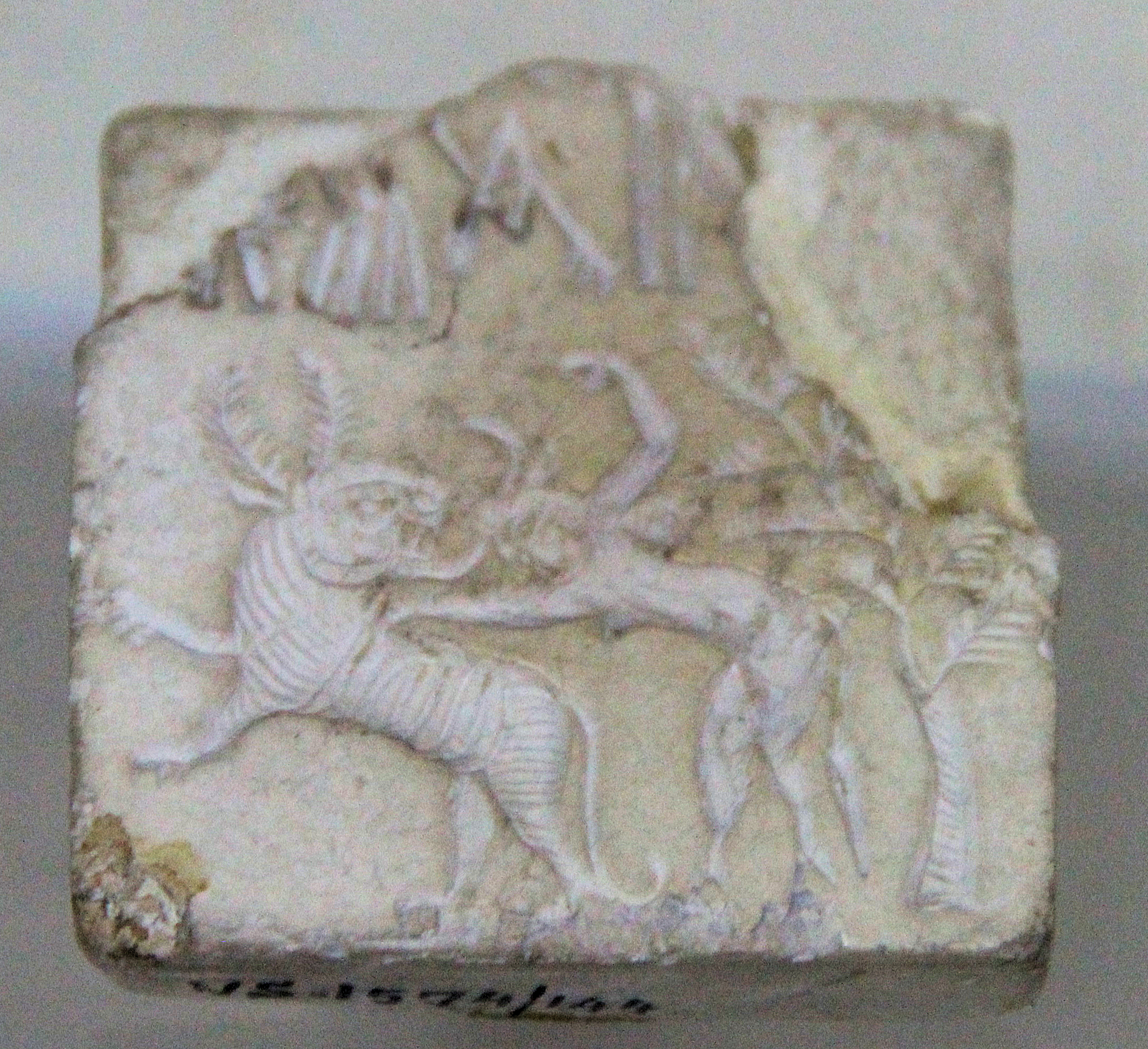
The etymology of the word chiti (account log or stone ledger) traces a long path through medieval merchant vocabularies, but its clearest footprints rest carved directly into granite along the coastline of central Vietnam.
In the historic heartland of the Champa kingdom—spanning modern Quảng Nam province and the Thu Bồn River valley—epigraphers have documented a complex network of ancient inscriptions (Matrix). While earlier epigraphic finds such as the 4th-century Cho Dinh rock inscription of King Bhadravarman were recorded in Sanskrit using early Southern Brahmic and Pallava scripts (Scroll.in), later early medieval trade records across the Indian Ocean shift from royal Sanskrit prasastis (eulogies) to pragmatic Tamil guild agreements (The Pioneer).
Evidence shows that South Indian merchant organizations, most notably the Ayyavole 500 (also known as the Ainnurruvar in Tamil), established formal institutional presences across maritime Southeast Asia (Wikipedia). Their epigraphic markers, found from Lobu Tua in Sumatra (The Pioneer) to the coastal ports of Champa, reveal how medieval maritime trade operated through self-governing corporate bodies rather than state-administered armadas.
Guild Mechanics and Lexical Footprints
The Ayyavole 500 originated in Aihole (in modern Karnataka) (Wikipedia) before expanding into a trans-regional commercial confederating body that operated across Tamil Nadu, Andhra Pradesh, and overseas ports (Live History India). In Tamil epigraphs, members described themselves as Nanadesi-Tisaiyayirattu-Ainnurruvar (“The Five Hundred of the Thousand Directions from Many Countries”) (Live History India).
When setting up posts along port estuaries like those in Quảng Nam province, these merchant guilds did not merely buy and sell goods. They established samaya (formal corporate agreements or contracts) (WordPress) that governed local trade tariffs, tax exemptions for temple donations, and civic protections for foreign merchants (The Pioneer).
Linguistically, these inscriptions preserve specialized Tamil trade terminology:
- Mahaghatika (great trade assembly or marketplace)
- Patinen-visayam (eighteen commercial territories)
- Pattinam (coastal port city)
- Magamai (a fixed voluntary levy collected on goods for guild maintenance)
By inscribing these terms directly onto stone slabs and temple walls, Tamil traders transferred South Indian institutional law directly into the maritime urban centers of Champa.
Material Evidence in Quảng Nam
Textual records match physical finds along the Vietnamese coast. Recent coastal and marine excavations near Hoi An and the mouth of the Thu Bồn River in Quảng Nam province (Asia Research Institute) have yielded significant material evidence of long-distance Indian Ocean exchange.
Archaeologists working across Cham port sites have recovered high-grade South Indian storage jars, coarse earthenware ceramics, and stone anchors alongside native Cham artifacts. The port region served as a vital staging post where ships traveling between South China, the Malay Peninsula, and the Coromandel Coast waited out seasonal monsoon winds.
The presence of Tamil epigraphy alongside Cham architecture demonstrates how foreign merchant guilds integrated into local polities. Rather than operating as isolated enclaves, the Ayyavole 500 frequently funded local religious sanctuaries, carving records of their donations in Tamil script to secure trade privileges from local Cham rulers.
Scholarly Debate: The Extent of Guild Authority
Scholars debate the exact nature of the authority wielded by South Indian merchant guilds in Southeast Asian ports.
One line of historical analysis holds that powerful guilds like the Ayyavole 500 and the Manigramam (another prominent medieval merchant association) (Wikipedia) maintained their own armed security forces (velaipatar, armed troop or merchant guard) (Live History India) and exercised semi-autonomous diplomatic powers in foreign harbors. Proponents of this view point to epigraphic phrases describing guild leaders as protectors of merchant law who negotiated tariffs directly with local monarchs.
Conversely, another group of historians argues that the guilds operated strictly at the mercy of host states. In this view, foreign Tamil inscriptions represent modest commercial concessions granted by Cham kings who retained full judicial and military control over their coastal ports. Evidence shows that while Cham rulers embraced Indian literary, religious, and epigraphic scripts (Matrix), local administrative structures remained distinctly Austronesian (Wikipedia).
The Inscriptional Legacy
The epigraphic trail left by Tamil merchants along the Champa coast underscores a fundamental feature of medieval Indian Ocean commerce: trade networks were anchored by shared institutional vocabularies. The stone records at Cho Dinh and across Quảng Nam province show that early maritime contacts were not fleeting visits by isolated sailors, but structured commercial operations backed by organized, self-governing guilds (The Pioneer).