Coins of the Konkan: What Changed in the Market After Vasai Fell to the Marathas
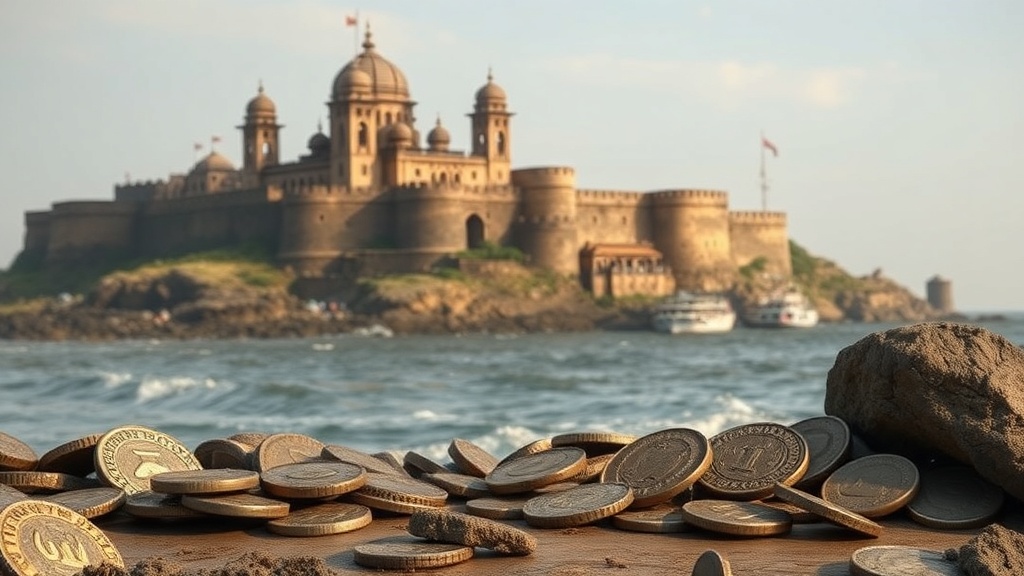
When the Marathas took Vasai from the Portuguese in 1739, the fort changed hands fast. The coins in people's pockets took longer to catch up.
Indian history, plainly written.
When the Marathas took Vasai from the Portuguese in 1739, the fort changed hands fast. The coins in people's pockets took longer to catch up.
Burushaski, a language with no known relatives, survives in Pakistan's Karakoram valleys. Geography helped — but genetics and history suggest the story is more tangled than "isolation did it."
A Sangam-age poem says the Mauryas cut roads through southern mountains. Karnataka's Ashokan edicts and the Sannati excavations tell a slower, messier story.
The same events of 1857 get called a mutiny, a rebellion, a revolt, or a war of independence — and each label carries its own argument about causes, actors, and legitimacy.
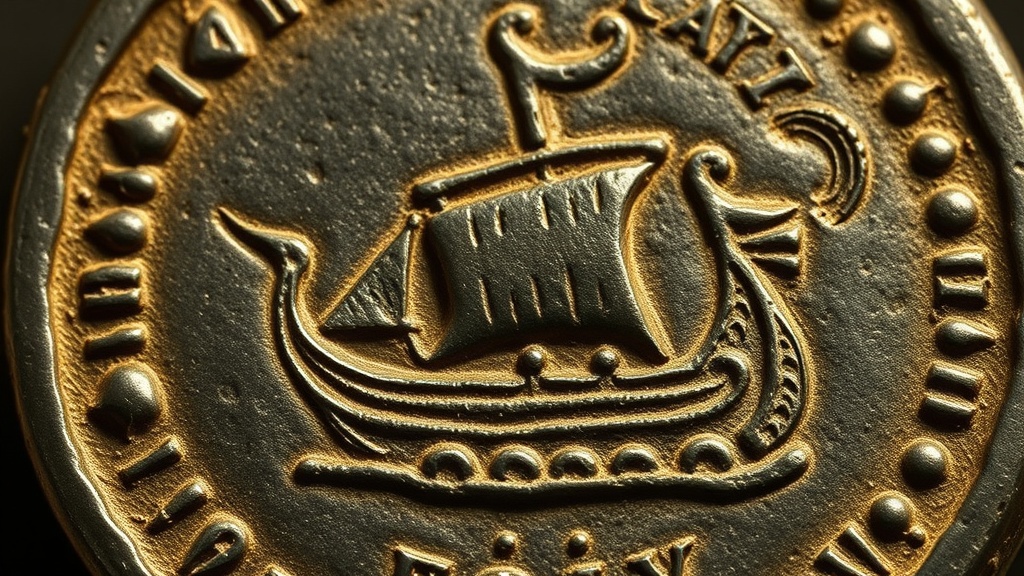
A lead coin from the Satavahana dynasty shows a two-masted ship. Read alongside the Periplus and the Arikamedu excavations, it maps how Andhra's coast plugged into Indian Ocean trade.
Geneticists can spot when a population stopped marrying outside its group using genetic "founder effects." Here's what that dating shows in South Asia—and what it can't tell us.
Archaeobotanists studying seeds, phytoliths, and tool marks have rebuilt the Harappan farm calendar — what was planted when, and the tools that made a two-season harvest possible.
An analysis of historical evidence behind claims of Tibetan rule in Bengal, comparing Tibetan records with Pala dynasty inscriptions.
Genetic data reveals the ancient population mixtures of South Asia, but mapping these biological clines onto the historical emergence of the Shudra varna conflates two entirely different systems of categorization.
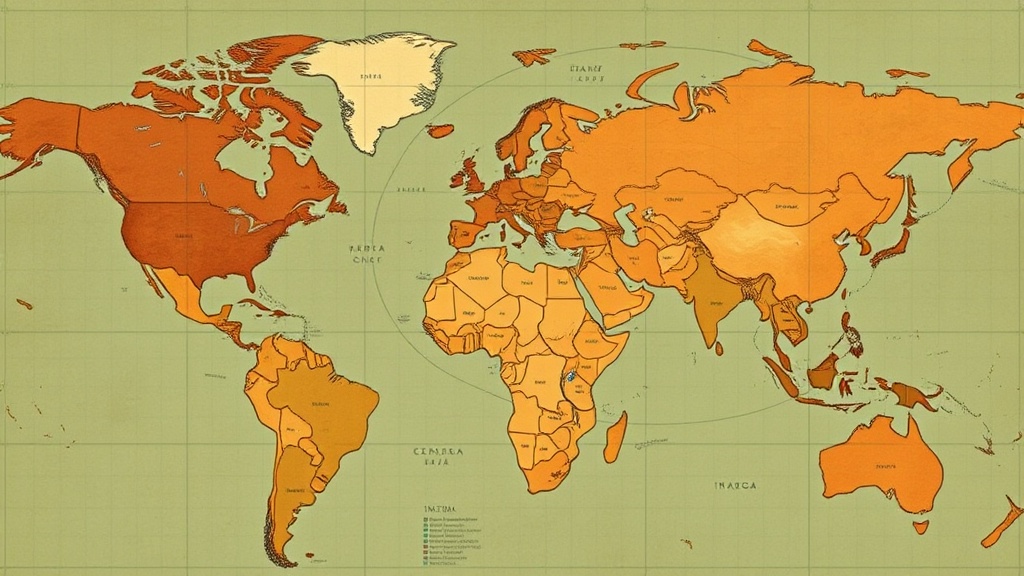
How the words "tea" and "cha" split the global map, tracing ancient trade routes, Dutch maritime voyages, and British colonial interventions in India.
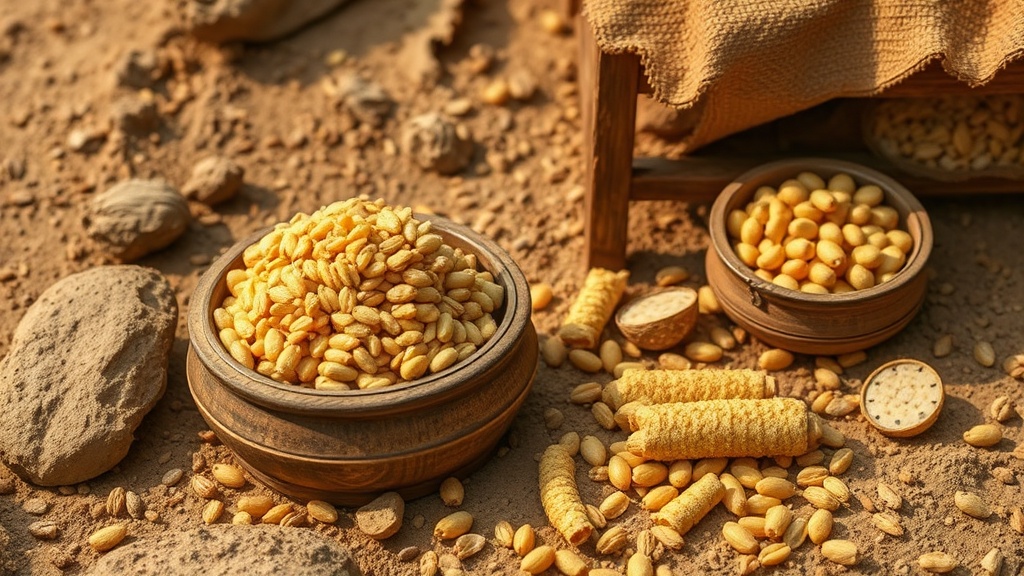
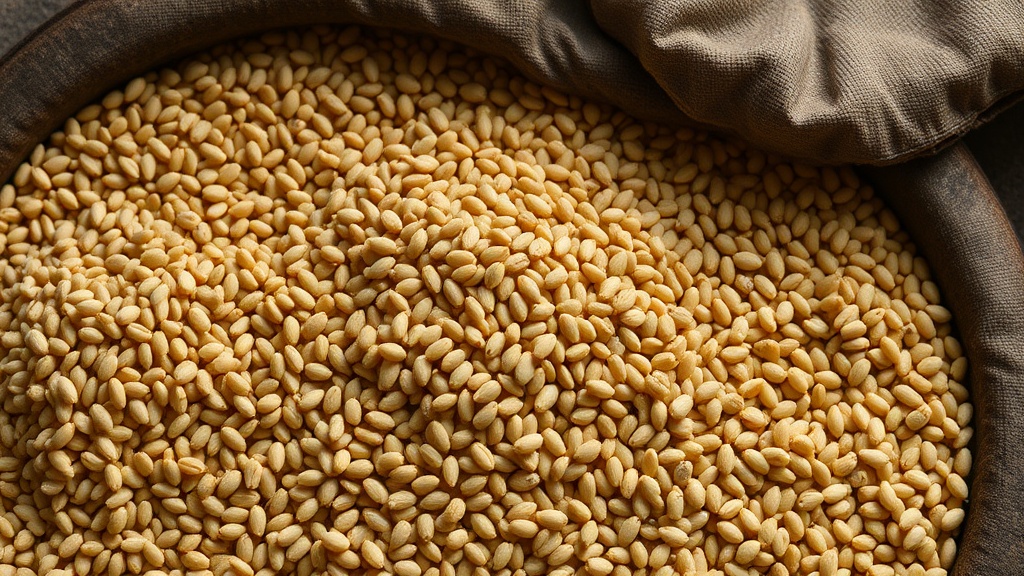
Carbonized grains recovered at Deccan excavation sites are rewriting the everyday menu of Early Historic India — less rice, more millet and pulse, and a lot of careful sieving to prove it.
Long before colonial insurers built mortality tables, Ayurvedic texts had their own arithmetic for a lifespan. A close read of āyus (vital duration) against actuarial logic shows two incompatible ways of counting the same unknown.