The Akshayanivi Endowment: Capital and Continuity in Satavahana Epigraphy
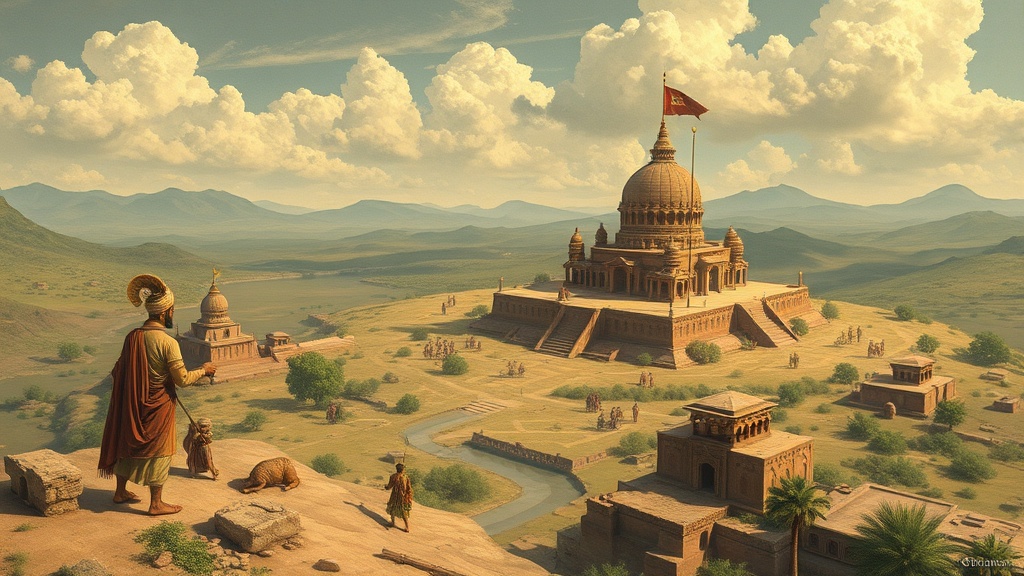
Analyzing the epigraphic record of the Satavahana era to understand the mechanics of the akshayanivi, or permanent endowment, and its role in early Indian economic history.
Indian history, plainly written.
Analyzing the epigraphic record of the Satavahana era to understand the mechanics of the akshayanivi, or permanent endowment, and its role in early Indian economic history.
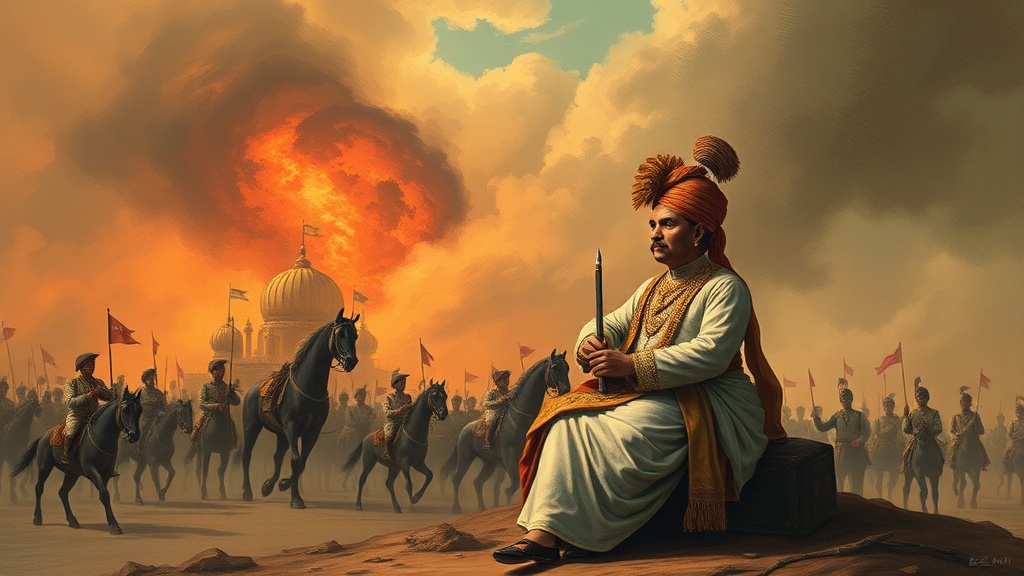
Was the Gwalior Maharaja a traitor, or a pragmatist? A look at how Jayajirao Scindia navigated the 1857 uprising to preserve his state’s institutional survival.
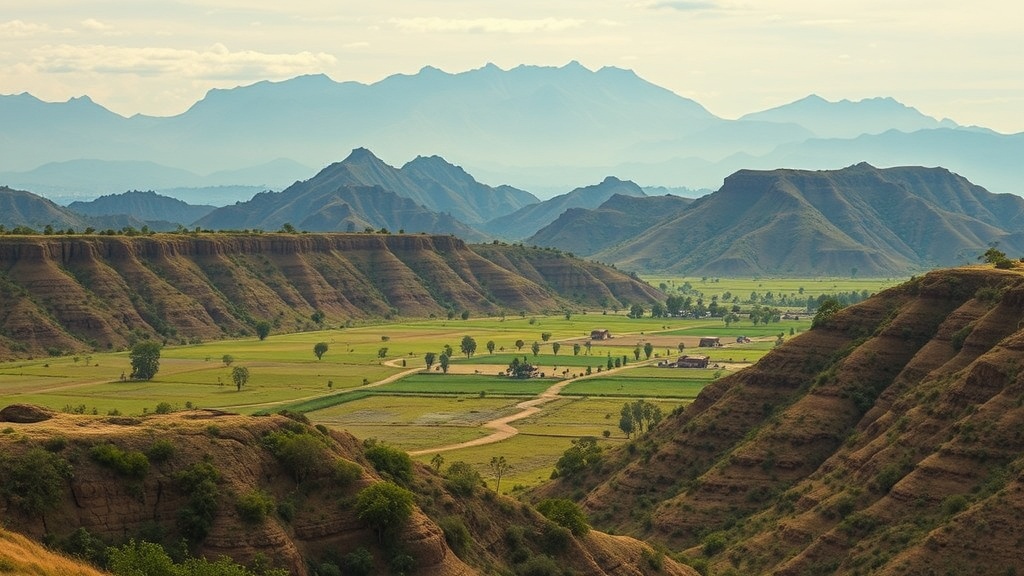
Environmental constraints and agricultural tax demands shaped the differing governance models of India’s northern plains and its mountainous northwest.
By examining the administrative role of the akaramadhyaksha, we see that Kautilya’s Arthashastra functioned as a rigorous manual for Mauryan state logistics rather than abstract political philosophy.
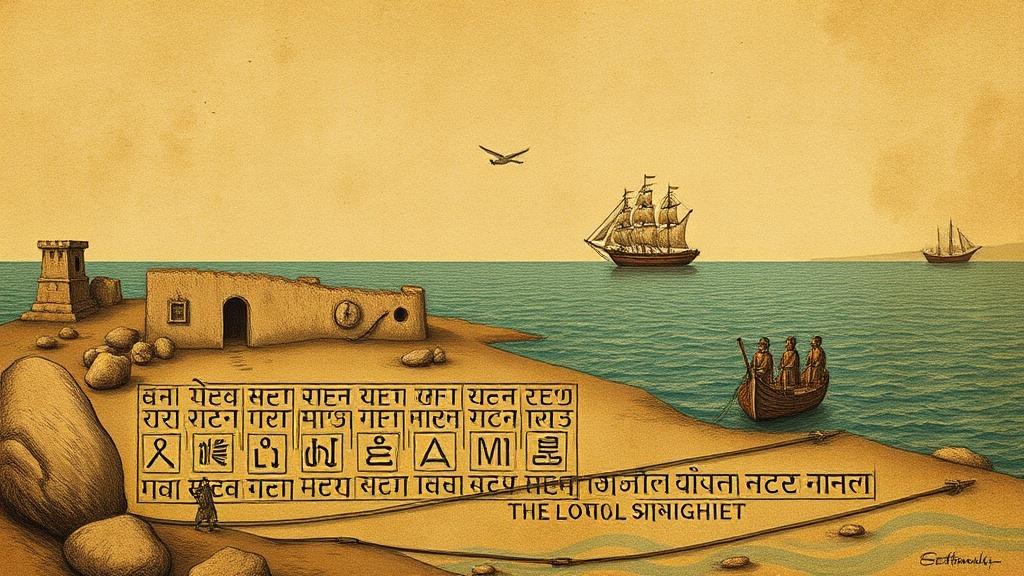
Tamil-Brahmi inscriptions found at coastal sites provide concrete evidence of organized trade guilds linking the Indian peninsula to the Mediterranean from the 3rd century BCE to the 3rd century CE.
We examine the intersection of the Mahabharata’s traditional geography and the archaeological reality of Painted Grey Ware culture in the Kurukshetra region.
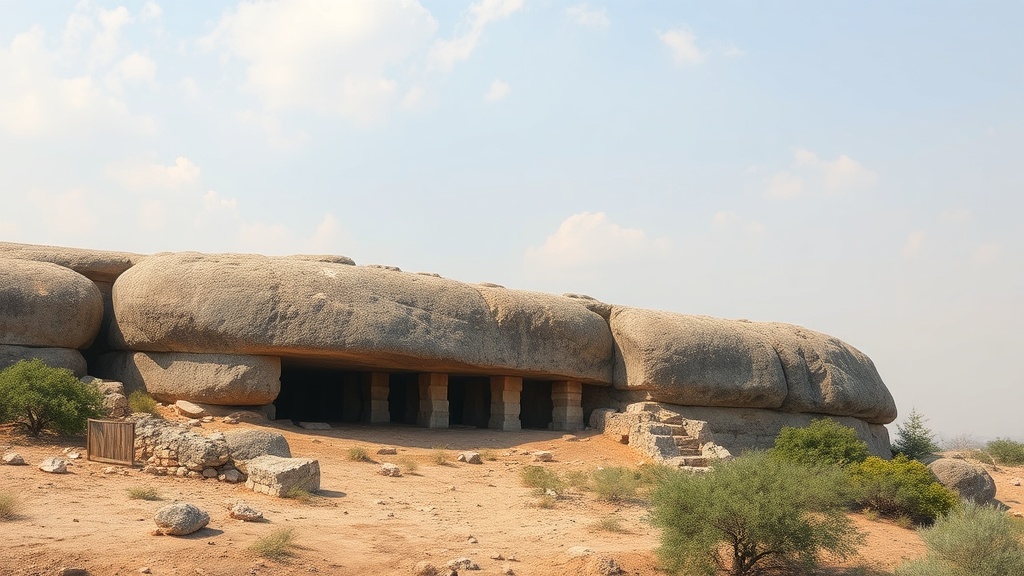
Beyond the art, Hyderabad’s granite shelters offer critical data on the stone-tool technology and seasonal mobility of early Deccan hunter-gatherer populations.
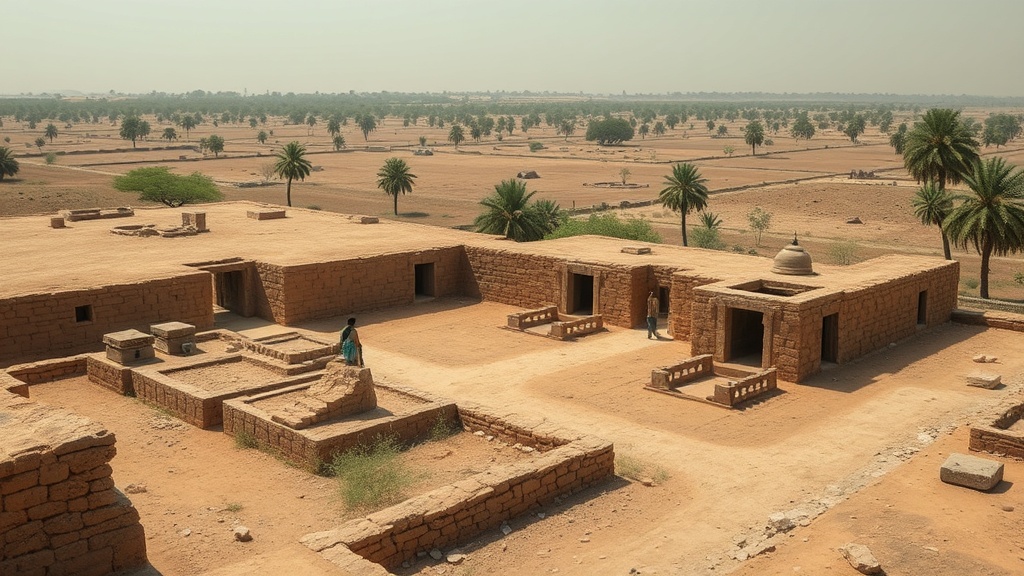
By studying carbonized seeds and grinding stones, researchers are uncovering how early Indus urban centers transitioned from foraging to standardized agricultural systems.
How did early Buddhists move the word of the Buddha from mind to manuscript? A look at the historical evidence for the transition from oral recitation to written scripture.
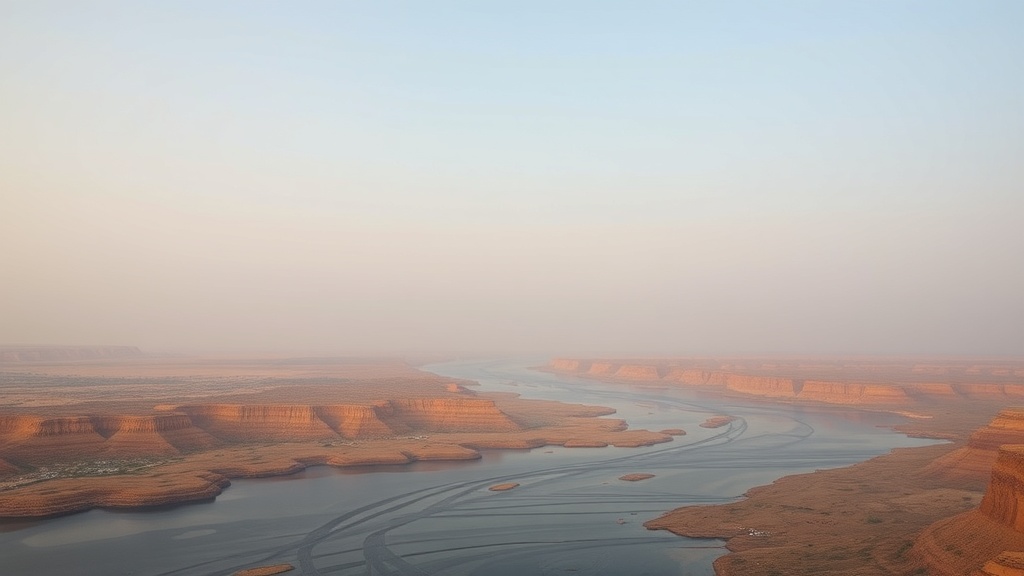
Scholars analyze the shifting geography of the Ghaggar-Hakra paleochannel to determine if it aligns with the Saraswati river described in early Sanskrit hymns.
Recent AMS dating of the Rakhigarhi cemetery challenges previous chronologies. We examine the stratigraphic evidence and the necessity of independent verification in Harappan research.
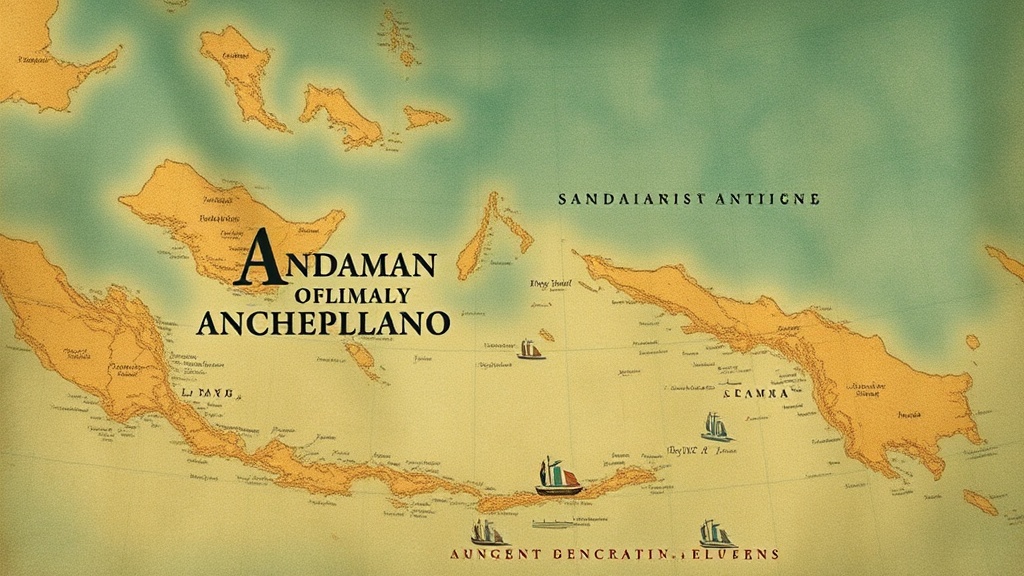
We compare 18th-century European navigational charts with modern aDNA studies to contrast colonial perceptions of the Andaman Islands with the archipelago’s deep history of human isolation.