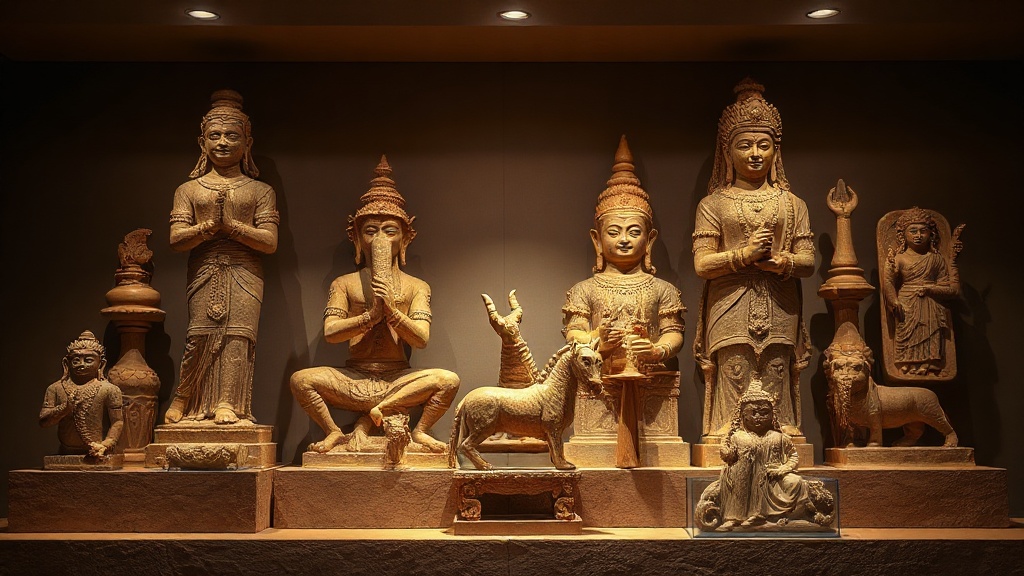
Odisha's Sculptural Layers: 7th to 14th Century Artistry Unearthed
Exploring Odisha's rich sculptural heritage from the 7th to 14th centuries CE, this article examines stylistic evolution and iconographic shifts at the Odisha State Museum.
Indian history, plainly written.
Exploring Odisha's rich sculptural heritage from the 7th to 14th centuries CE, this article examines stylistic evolution and iconographic shifts at the Odisha State Museum.
The Sayyid Dynasty (1414-1451 CE) marked a period of significant weakness for the Delhi Sultanate, struggling with internal fragmentation and external threats following Timur's devastating invasion.
In 1686, Mughal imperial decrees curtailed the East India Company's military expansion, forcing a retreat from nascent imperial aspirations and demonstrating the paramountcy of Mughal authority in the region.
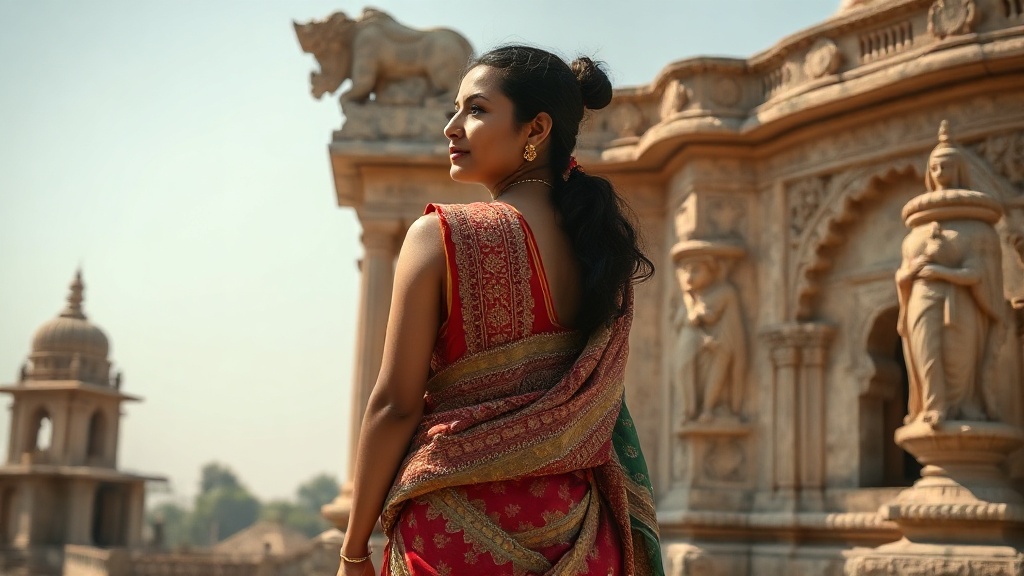
What did women wear in ancient India—and how do we know? Sculpture, frescoes, and Sanskrit texts describe garments from 300 BCE to 600 CE across North and South India. Evidence, not myth.
A plain-language guide to the Archaeological Survey of India's findings on Iron Age black-and-red ware pottery at Adichanallur, Tamil Nadu. What the official reports say about the ceramics and South Indian prehistory.
Rani Seethai Achi (1852–1917) was a Chettiar philanthropist who funded temples, schools, and public infrastructure in colonial Chennai. This article traces her life, her family's banking network, and the institutions she endowed — many still standing today.
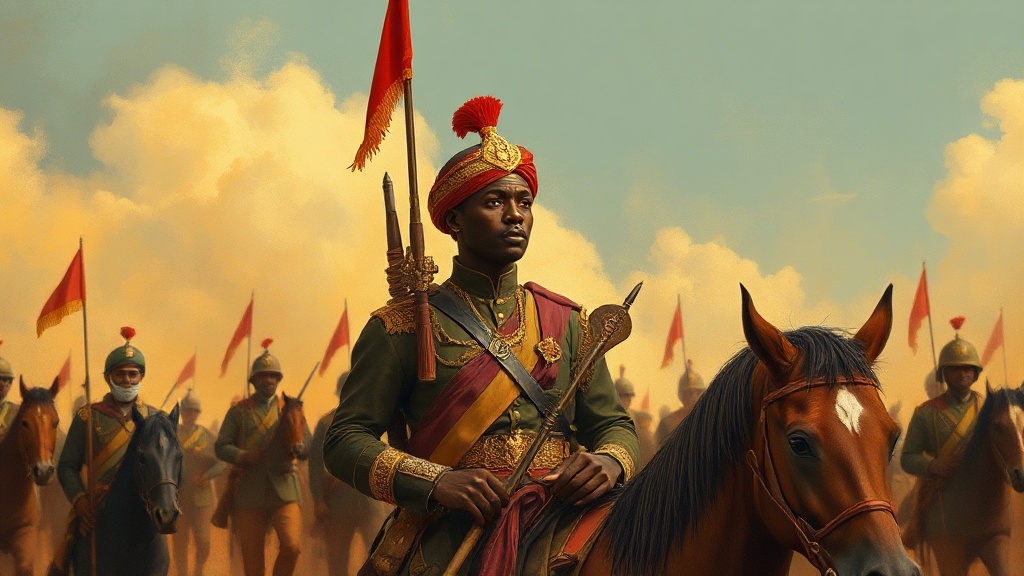
Exploring the presence of people of African descent in Maratha military forces, from everyday soldiers to figures like Tukaji Angre, and the evidence behind their roles.
This article critically examines the 'Grand Reunion' hypothesis, which links Indus Valley and Southern Indian cultures to Vedic synthesis. It explores evidence and scholarly debate, questioning narratives of simple merger and displacement.
Exploring macroeconomic and geopolitical shifts beyond religious disputes that may have precipitated the Umayyad Caliphate's demise and the rise of the Abbasids.
Scholars debate the origins of Chanakya, Chandragupta Maurya's advisor. Linguistic and textual clues fuel competing hypotheses about his ethnic and geographical background.
Examining the historical and linguistic origins of 'Rajputana,' this article investigates whether the name predates British rule or was a colonial construct.
Historical maps of General Zorawar Singh's campaigns in Tibet, Gilgit, and Baltistan offer insights into past territorial understanding, influencing modern geopolitical discussions.