The Weight of Exchange: Copper Coins Reveal Post-Gupta Deccan's Economic Currents
Examining the copper coinage of the post-Gupta Deccan uncovers economic functions and regional power. Metal composition and iconography offer insights into local trade networks and authority.

Kavya Sharma for SwavedaMay 30, 2026
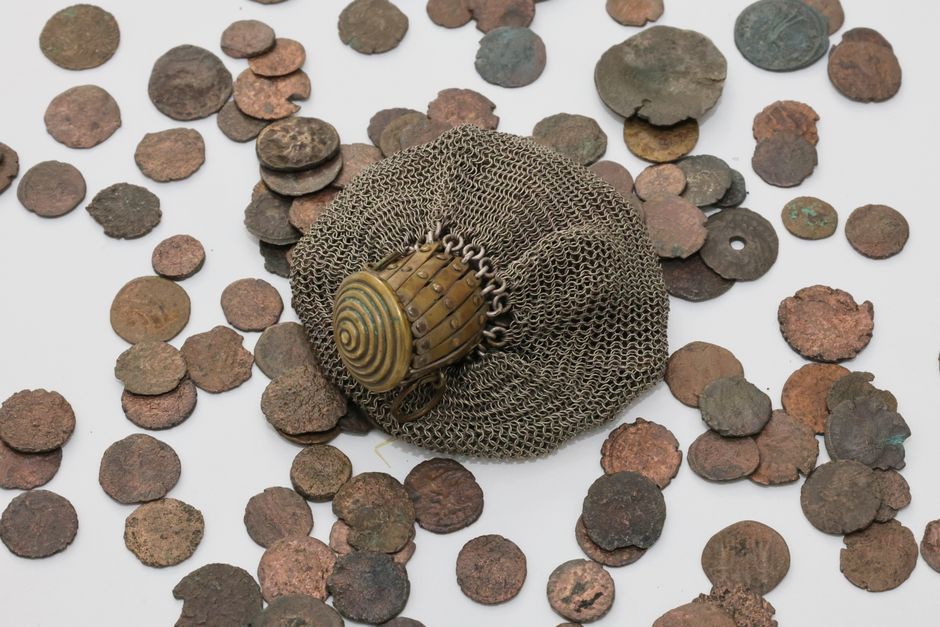
The copper coins of the post-Gupta Deccan, often overlooked in favor of gold and silver, are now shedding light on the region's intricate economic life. Numismatic studies are moving beyond simply dating these small metal discs to understanding their practical use, the reach of their circulation, and what their very composition says about the communities that minted and used them. These coins were not just tokens; they were the pulse of everyday transactions and a reflection of local power.
For centuries, the Deccan, the vast plateau of peninsular India, saw shifts in political control following the decline of major empires like the Satavahanas and the Guptas. During the post-Gupta centuries, roughly from the 6th to the 8th CE, various regional dynasties, such as the Vakatakas, the Kadambas, and later the early Chalukyas, vied for influence. It is within this period that copper coinage becomes a significant, albeit sometimes challenging, source of historical evidence.
The challenge lies in the scarcity and often worn condition of these coins, making precise identification and analysis difficult. However, advancements in archaeometallurgy and detailed comparative studies are beginning to paint a clearer picture. Researchers are analyzing the metal composition of these coins, looking at the ratios of copper, tin, lead, and sometimes even trace amounts of silver. These ratios can reveal much about the availability of raw materials, the metallurgical skills of the mints, and even the economic policies of the rulers.
For instance, a higher proportion of lead might indicate a greater reliance on locally sourced materials or a deliberate choice to extend the supply of copper, perhaps during times of scarcity or high demand. Conversely, a purer copper alloy might suggest access to better ore deposits or more sophisticated smelting techniques. The presence of other metals, even in small quantities, can also offer clues about trade connections and the movement of goods and resources across different regions.
Beyond the metal itself, the iconography on these copper coins provides a window into the cultural and religious landscape of the time. While less elaborate than their gold counterparts, they often bear symbols that were meaningful to the local populace. These can include depictions of deities, animals like lions or elephants, geometric patterns, or royal insignia. The choice of these symbols was not arbitrary. They served to legitimize the ruler, to associate their authority with divine power or popular motifs, and to create a recognizable identity for their currency.
For example, coins found in the northern Deccan might feature symbols that align with the artistic and religious traditions of dynasties ruling that specific area, while those from the southern Deccan could show different motifs influenced by local cults or traditions. This regional variation in coinage is a strong indicator of distinct economic spheres and the establishment of local centers of power, rather than a unified imperial currency.
The size and weight of these coins also offer insights into their intended use. Smaller, lighter coins were likely used for petty trade – the purchase of daily necessities like grains, vegetables, or craft goods. Larger, heavier coins might have been employed for more substantial transactions, perhaps for wholesale trade, payments to soldiers, or as a form of tribute. The standardization, or lack thereof, in their weight and fabric can also speak to the sophistication of the minting process and the extent of central control over the monetary system.
Recent numismatic studies, like those examining collections in institutions such as the Chhatrapati Shivaji Maharaj Vastu Sangrahalaya in Mumbai, are meticulously cataloging and analyzing these copper coins. While specific numbers regarding conversion rates or CPMs for these ancient coins are not available due to the nature of the historical record, the qualitative evidence is significant. Scholars are noting patterns in their distribution, which often corresponds with known trade routes and settlement patterns identified through archaeology.
The presence of specific coin types in certain areas suggests that these coins facilitated trade between different communities and regions. For example, if a particular mint's coins are found in abundance at a distant archaeological site, it implies a robust trade network that extended far beyond the ruler's immediate political domain. These coins, in essence, acted as promissory notes, carrying the issuer's authority and a generally accepted value that enabled exchange.
The sheer volume of copper coins discovered at various excavation sites in the Deccan also points to their widespread use in daily life. Unlike gold and silver coins, which might have been hoarded or used for high-value transactions, copper currency was the workhorse of the economy. It was the money that farmers used to pay taxes or buy tools, that artisans used to acquire raw materials, and that merchants used to conduct their daily business.
Understanding the provenance of these coins – where they were minted and where they circulated – allows historians to reconstruct the economic geography of the post-Gupta Deccan. It helps to map out spheres of influence and identify the key players in regional commerce. The continuity or change in coin designs and metal composition over time can also reveal economic shifts, such as periods of prosperity marked by better alloy quality and more complex minting, or times of hardship indicated by debased metals and simpler designs.
The study of post-Gupta copper coinage is therefore not merely an academic exercise in cataloging ancient artifacts. It is an ongoing effort to give voice to the economic realities of ordinary people in a distant past. These humble copper pieces, often bearing the wear and tear of centuries of circulation, are proving to be invaluable historical documents, revealing the intricate web of trade, the dynamics of power, and the very pulse of life in the Deccan.