The Imperial Myth of Lallup: Re-examining Pre-Colonial Manipuri Forced Labour
A critical study of royal chronicles and state administrative records challenges long-held traditions surrounding Manipur's compulsory labour system, demonstrating that state labor extraction evolved centuries later than popular tradition claims.

Devika Menon for SwavedaOctober 21, 2026
Popular historical tradition in Manipur long held that the state's system of compulsory, unremunerated service—known as lallup (forced service rendered to the state)—originated at the very dawn of the Ningthouja dynasty under King Nongda Lairen Pakhangba, who tradition holds ascended the throne in 33 CE. Modern historiography, however, presents a strikingly different timeline. A re-examination of primary texts, court records, and physical evidence published in the Indian Economic and Social History Review (Sage Journals) demonstrates that lallup was not an ancient, static institution coeval with the foundation of the Meitei state, but an evolving apparatus of state extraction that crystallized much later in response to changing geopolitical and agrarian conditions.
Etymologically formed from lal (battle) and lup (group), lallup functioned as the institutional backbone of administrative and military mobilization in pre-colonial Manipur. Under the system described in colonial records, every adult male between the ages of 17 and 60 owed ten days of unremunerated labor to the crown out of every forty, effectively placing forty days of labor per year at the disposal of the ruler. Tradition holds that this labor obligation was organized through four administrative units called panas (panna, administrative territorial division)—Ahallup, Naharup, Laipham, and Khabam—which distributed civil duties, public works, and military defense across the Imphal valley.
When cross-referencing these claims against primary textual sources, however, the antiquity of lallup begins to fracture. The principal written record for Meitei monarchical history is the Cheitharol Kumbaba (Royal Chronicle of Manipur), a court document whose systematic keeping began in the late fifteenth century during the reign of King Kiyamba (Wikipedia). Earlier sections of the chronicle were compiled retrospectives, setting up a clear divergence between historical evidence and retroactive royal tradition.
Evidence shows that early references to collective service in the royal chronicle bear little resemblance to the systematic, highly regimented lallup described by nineteenth-century British observers such as R. Brown and T.C. Hodson. In the early entries of the Cheitharol Kumbaba, descriptions of communal service are embedded in ritual and mythic contexts, such as the passage under King Loiyumba (who reigned around 1074–1122 CE) stating that human subjects and local spirits (lai, indigenous deity or spirit) performed duties jointly. It is in Loiyumba’s reign, formalized through the royal decree Loiyumba Sinyen, that scholars observe the first historical attempt to systematically assign specific hereditary occupations and craft duties to individual clans (salai, clan division). Yet this was a division of ritual and economic functions rather than a fully developed corvée system managed by military territorial divisions.
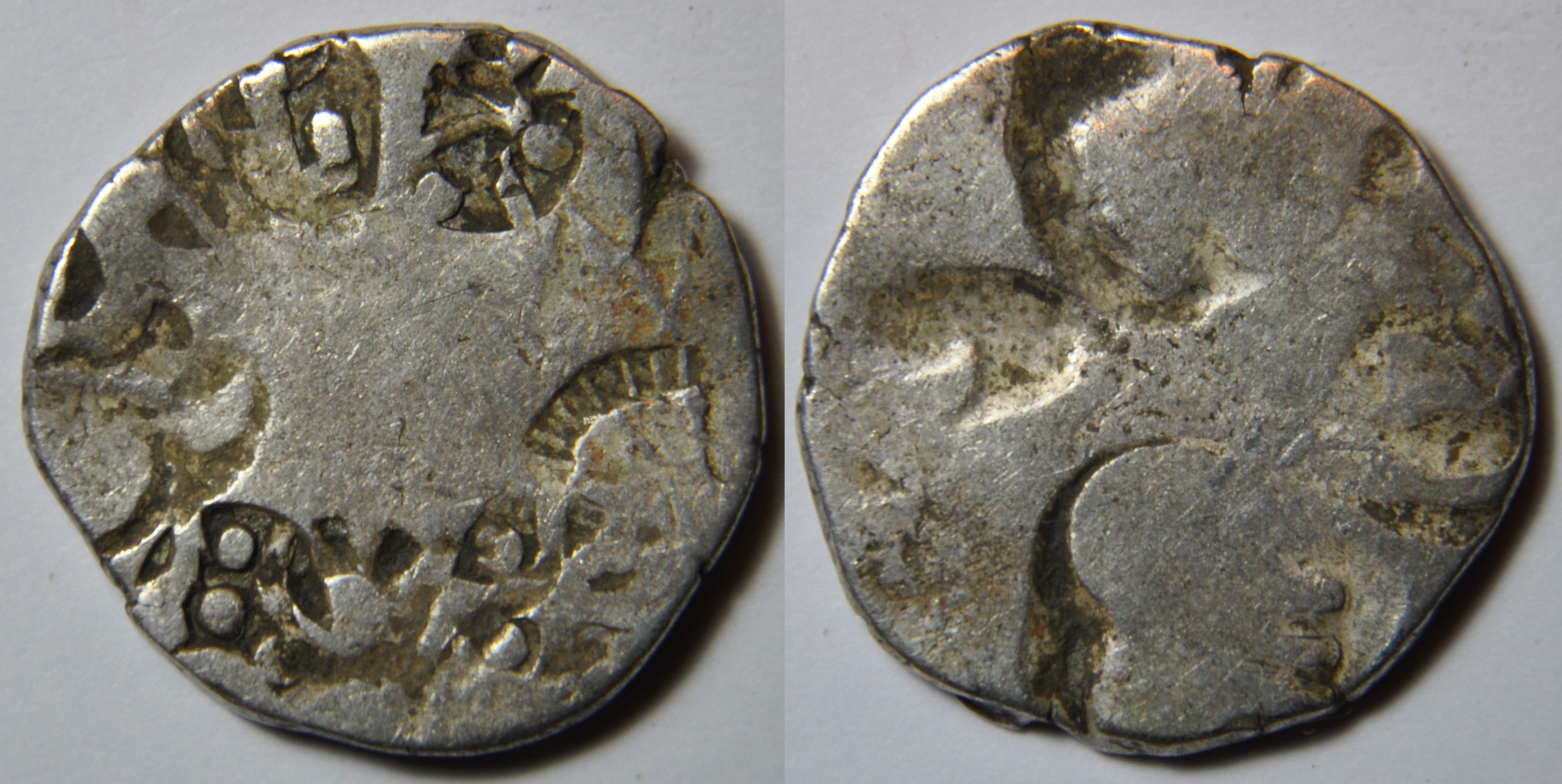
Numismatic evidence further complicates the narrative of a fully centralizing, labor-extracting imperial state in the early centuries of the common era. Early bell-metal coins known as sel—small, un-inscribed cast pieces found in the Imphal valley—demonstrate that local trade relied on modest exchange tokens, but state administrative machinery remained light. Unlike the highly organized agrarian empires of South India, where epigraphic charters registered fine-grained tax extractions, early Manipur left no contemporaneous stone or copper-plate inscriptions recording precise corvée obligations or revenue assessments from the first millennium CE.
The structural transition from clan-based obligations to a militarized state labor draft intensified during the sixteenth and seventeenth centuries. Historical evidence shows that under King Khagemba (who reigned from 1597 to 1652 CE), the Meitei state underwent extensive territorial expansion, incorporating military captives and expanding agrarian infrastructure. It was during this period, scholars debate, that the formalization of the pana system likely occurred, converting traditional communal labor into an institutionalized requirement for canal digging, rampart construction, and military campaigns.
The administrative weight of lallup reached its peak during the eighteenth and nineteenth centuries, driven by devastating wars with neighboring Myanmar (Burma) and the ultimate incorporation of the realm into the British colonial sphere following the Anglo-Manipur War of 1891. Far from being an unchanging custom inherited from Pakhangba, compulsory service adapted to each successive crisis of state power.
By triangulating early administrative manuscripts with critical editions of the royal chronicle (Sage Journals), modern historical research strips away the imperial myth. The evidence demonstrates that lallup was not a divine, primordial feature of Manipuri statehood, but a dynamic, late-developing system of royal extraction shaped by military necessity and changing agrarian demands.