The Genomes of Rakhigarhi: What Skeletal DNA Reveals About the Indus Valley Population Structure
Ancient DNA extracted from a skeleton at Rakhigarhi reveals a distinct lineage without Central Asian Steppe or Anatolian farmer genetic markers, framing how archaeogeneticists model the Indus Valley population.

Dr. Anil Patel for SwavedaOctober 11, 2026
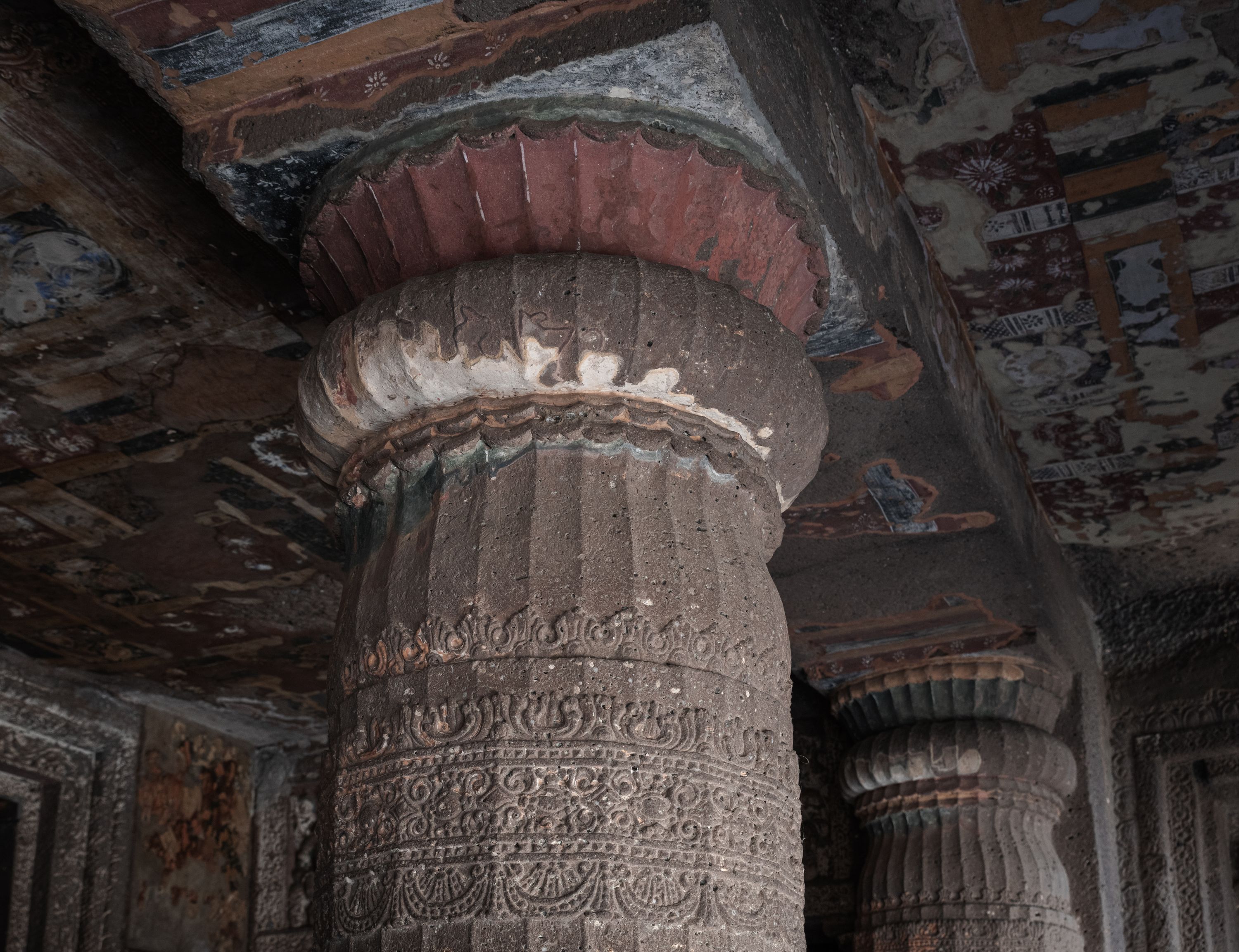
For decades, reconstructing the population history of the Indus Valley Civilization relied almost entirely on physical artifacts: terracotta seals, city layouts, and painted pottery. The tropical and subtropical climate of northwestern South Asia causes rapid degradation of biological remains, rendering ancient DNA extraction exceptionally difficult.
That environmental barrier broke when a research team led by archaeologist Vasant Shinde and geneticist David Reich successfully extracted sequenceable ancient DNA from skeletal remains at Rakhigarhi, an Indus Valley site in Haryana. The primary sequencing results, published in Cell alongside a companion paper in Science, provided the first direct genomic look into an individual who lived during the urban phase of the Indus Valley Civilization.
The Ancient Genome from Rakhigarhi
The individual sequenced from Rakhigarhi, cataloged as I6113, was a woman buried in a brick-lined grave with pottery vessels typical of the Mature Harappan phase (circa 2600–1900 BCE). After screening dozens of skeletal samples from the site, researchers extracted viable DNA primarily from the petrous bone—the dense part of the temporal bone protecting the inner ear, which preserves ancient DNA far better than softer skeletal tissues.
Laboratory analysis showed that the genome of sample I6113 comprises two main genetic components:
- Ancient Iranian-related ancestry: A deep genetic lineage related to ancient hunter-gatherers and early herders of the Iranian plateau.
- Ancient South Asian hunter-gatherer ancestry: A lineage distant to modern Andamanese islanders and ancient South Asian hunter-gatherers, often referred to in archaeogenetic literature as AASI (Ancient Ancestral South Asian).
Critically, the Iranian-related component in the Rakhigarhi genome split from the ancestors of Iranian farmers before the latter developed agriculture. The data indicates that the ancestral lineage diverted prior to 10,000 BCE, long before the advent of plant cultivation in the Fertile Crescent.
Absence of Steppe and Anatolian Markers
The genomic profile of the Rakhigarhi individual lacks two genetic signatures that appear in later South Asian populations:
- Steppe Pastoralist Ancestry: No detectable ancestry derived from Bronze Age pastoralist groups of the Eurasian Steppe (such as the Yamnaya or Sintashta cultures).
- Anatolian Farmer Ancestry: No detectable ancestry from Anatolian-related farmers, a genetic marker that accompanied the spread of early farming into Europe and parts of the Near East.
Because sample I6113 lacks Anatolian farmer ancestry, the authors concluded that agriculture in the Indus Valley likely developed locally through indigenous innovation or cultural exchange, rather than through a demic expansion (mass movement of people) of West Asian agriculturalists.
To test whether the Rakhigarhi genome represented an isolated anomaly or a broader population trend, the research team analyzed 11 additional ancient genomes recovered from sites in Turkmenistan (Gonur Depe) and eastern Iran (Shahr-i Sokhta). Archaeological evidence had previously established trade contact between these sites and the Indus Valley. Genomically, these 11 "outliers" among Central Asian samples matched the specific two-component mixture found in the Rakhigarhi individual, suggesting a consistent genetic profile across the Indus region during the third millennium BCE.
Interpreting the Data in Historical Context
The absence of Steppe pastoralist ancestry in the third-millennium BCE Rakhigarhi sample forms a key data point in chronological modeling. In contemporary South Asia, Steppe-related ancestry is widely distributed across regions and demographic groups, though in varying proportions.
⚖ Scholarly debate: How and when Steppe-related genetic components became integrated into the South Asian gene pool remains a topic of active academic discussion, with two primary frameworks:
- Post-Indus Migration Model: Geneticists such as David Reich and Vagheesh Narasimhan argue that the lack of Steppe ancestry in sample I6113 demonstrates that pastoralist movements from Central Asia into northern South Asia occurred primarily after 1900 BCE, following the decline of the urban Indus Valley centers.
- Indigenous and Multi-Directional Continuity Models: Other researchers and archaeologists, including Vasant Shinde, emphasize the profound biological continuity between ancient Harappan populations and modern South Asian groups. Some scholars contend that a single individual sample from a large, urbanized region cannot definitively rule out earlier local genetic variation or complex internal migrations across the broader Indus perimeter.
Laboratory Methodologies and Limits
Geneticists exercise caution when drawing regional conclusions from single-genome datasets. Processing ancient DNA from hot climates involves strict quality control:
- Damage Patterns: Ancient DNA molecules break into short fragments and accumulate characteristic cytosine-to-thymine (C-to-T) mutations at their ends. The Rakhigarhi sequence displayed these exact damage profiles, confirming the DNA was authentic ancient material rather than modern contamination.
- Mitochondrial Lineage: Mitochondrial DNA analysis assigned sample I6113 to haplogroup U2b2, a maternal lineage found across South Asia today, but absent in ancient Central Asian samples.
While the single genome provides an authentic baseline, archaeogeneticists emphasize that sequencing additional high-coverage samples across different Indus Valley urban centers—such as Mohenjo-daro, Harappa, and Dholavira—remains essential to map the full extent of internal population structure and potential geographic variation across the civilization.