Decoding the Chola Seas: Maritime Clues in Ancient Tamil Scripts
New epigraphic studies of Chola inscriptions are unearthing a rich maritime vocabulary in Old Tamil, offering fresh insights into ancient South Indian seafaring, ship types, and port management.

Asha Naidu for SwavedaMay 30, 2026
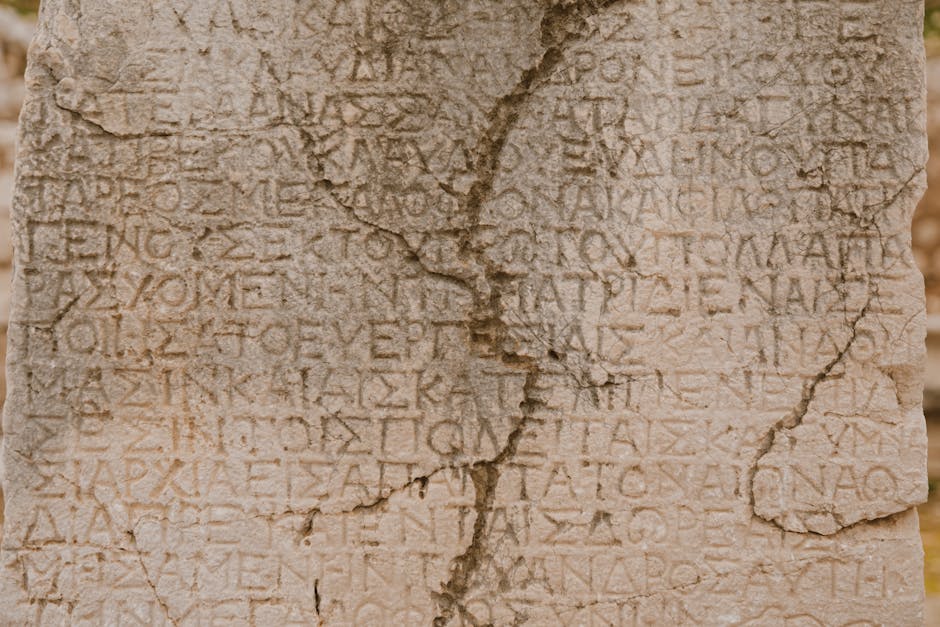
The Tamil language, with its deep roots in South India, has long been a subject of scholarly fascination. Its written forms, inscribed on stone, metal, and palm leaves, offer windows into the past. For historians and linguists, Chola-era inscriptions, dating roughly from the 9th to the 13th centuries CE, are particularly fertile ground. Ongoing epigraphic studies of these inscriptions are revealing a nuanced maritime vocabulary in Old Tamil, shedding new light on the seafaring prowess of this historical kingdom.
The Chola empire was a significant maritime power. Its influence extended across the Indian Ocean, reaching Southeast Asia and beyond. This extensive reach necessitated sophisticated seafaring knowledge, evident in the language used to describe naval activities and maritime trade. Scholars examining these inscriptions are identifying specific terms related to sailing techniques, the construction and types of vessels, and the administration of ports.
One area of ongoing research involves understanding the terminology for different types of sailing vessels. While general terms for boats existed, inscriptions are providing more specific details. For instance, the study of inscriptions from various Chola sites is helping to differentiate between types of ships based on their size, purpose, and possibly even their construction methods. This linguistic precision suggests a highly developed understanding of naval architecture and seafaring capabilities.
Beyond vessel types, the inscriptions also hint at the technical aspects of sailing. Words related to wind direction, sail manipulation, and navigation are being analyzed. Understanding these terms helps reconstruct the practical knowledge employed by Chola mariners. This is not mere speculation; it is based on the careful translation and contextualization of ancient Tamil words found in governmental records, temple inscriptions, and administrative documents.
The administration of ports was another critical element of Chola maritime power. Inscriptions often detail the roles of port officials, the types of goods traded, and the revenue collected. The vocabulary used in these contexts provides evidence of organized port management systems. Terms related to docking, warehousing, customs, and trade regulations are appearing with greater clarity as epigraphists continue their work.
The word "maritime" itself has an interesting lineage. It stems from the Latin word "maritimus," meaning "of the sea." The English word "marine" shares this origin. This connection highlights how different cultures, across vast distances and time, have developed specific vocabularies to describe their relationship with the sea. The Chola inscriptions represent a distinct thread in this global linguistic tapestry of seafaring.
The study of these inscriptions is a meticulous process. Epigraphists painstakingly clean and document ancient inscriptions, often on stone pillars or temple walls. They then work to decipher the script and translate the text. The meaning of a word can be elusive, requiring cross-referencing with other inscriptions, literary texts, and historical context. The work is ongoing, and new discoveries are continually refining our understanding.
For example, while general terms for sailing existed, inscriptions are providing more specific details about sailing techniques and vessel types. The analysis of these terms helps reconstruct the practical knowledge employed by Chola mariners. This is based on the careful translation and contextualization of ancient Tamil words found in various administrative documents.
The Chola inscriptions are more than just historical records; they are linguistic artifacts. They preserve a spoken language, allowing scholars to trace the evolution of Tamil and understand its nuances. The maritime vocabulary found within them is a testament to the sophisticated relationship the Chola kingdom had with the sea. This linguistic evidence supports archaeological findings and textual analyses, painting a more complete picture of South India's ancient seafaring history.
The continued study of these inscriptions promises further revelations. As more texts are deciphered and analyzed, our understanding of Chola maritime terminology will undoubtedly deepen. This scholarship not only enriches our knowledge of Tamil linguistics but also contributes significantly to the broader history of maritime trade and exploration in the ancient world. It underscores the importance of primary source materials and careful scholarly interpretation in piecing together the past.
The term "epigraphy," the study of inscriptions, itself comes from the Greek "epigraphē," meaning "inscription." This reveals a long-standing human practice of recording history and knowledge on durable surfaces. The Chola inscriptions are a prime example of this practice, offering a direct link to the thoughts and activities of people from centuries ago. The maritime vocabulary found within them speaks to a society that was deeply connected to and dependent on the ocean for its prosperity and influence.